In a fast-paced digital world, could shared gardening be the key to rekindling human connection and healing? This heartfelt exploration reveals how working side-by-side in gardens not only nurtures plants but also cultivates trust, patience, and emotional resilience in relationships. As hands dig into soil and seeds sprout, participants experience mindfulness and shared purpose, transforming everyday moments into opportunities for growth—both botanical and personal. Gardening becomes more than a hobby; it’s a therapeutic act that eases stress, fosters empathy, and rebuilds bonds that the digital age often erodes. The slow, deliberate process teaches resilience and patience, echoing the gradual development of meaningful relationships. Could tending to life in the soil unlock deeper levels of intimacy and understanding? This inspiring journey demonstrates that, beyond the beauty of blooming flowers, gardening offers a powerful pathway to emotional healing and lasting human connection.
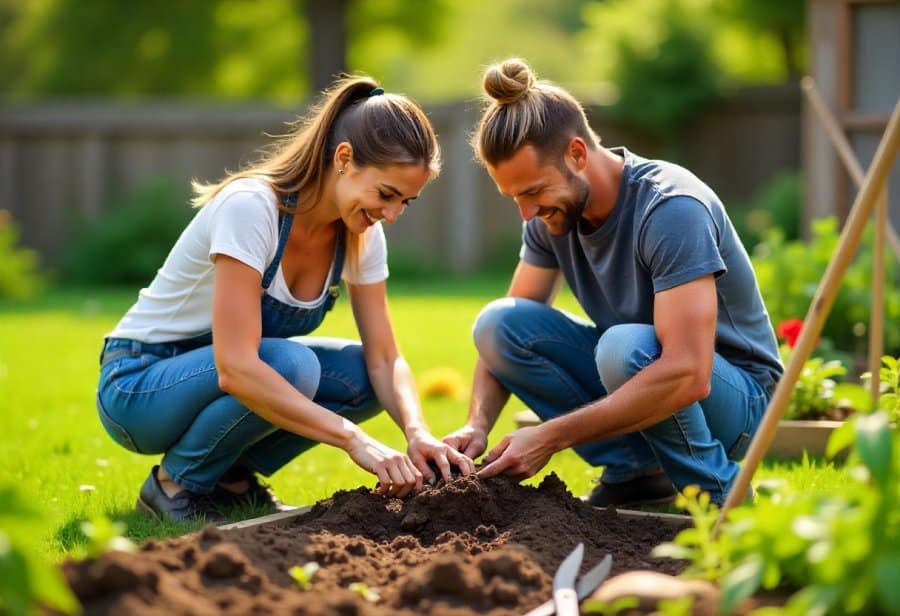
Reconnect and Heal Through Shared Gardening
In a world where screens often dominate our attention, it’s easy to feel disconnected from those around us. We scroll, swipe, and reply, yet meaningful face-to-face moments can slip away unnoticed. Amid this digital noise, there’s a simple activity that invites us to pause and reconnect: gardening. Sharing the act of tending to a garden—planting seeds, watering, weeding—creates a natural space for human connection, free from the pressure of conversation or screens.
Working together outdoors taps into something inherently human. It encourages us to slow down and focus on the present, fostering mindfulness as we observe tiny sprouts breaking through soil or flowers opening to the sun. These shared moments become more than just about plants—they become opportunities to build trust, communicate more openly, and deepen emotional bonds. The garden becomes a quiet sanctuary where vulnerability and support can flourish alongside the greenery.
Gardening also offers a calming, almost meditative benefit that can ease stress and promote emotional healing. When we work side-by-side in the dirt, we engage in an activity that relaxes the mind and boosts well-being. The rhythm of watering, pruning, and caring for plants provides a mental retreat from daily worries, helping us reconnect with ourselves and each other.
Beyond the personal benefits, outdoor activity like gardening reminds us that growth takes time and patience—lessons rarely cultivated in our fast-paced digital lives. Watching a seed sprout or a flower bloom becomes a tangible symbol of progress and resilience, reinforcing the idea that meaningful change and relationships develop gradually with care and attention.
Shared gardening experiences also foster a sense of teamwork and mutual support. Whether it’s planting a vegetable patch or nurturing a flower bed, working together creates a sense of achievement and pride. These small victories build trust and a feeling of shared purpose, making everyday interactions more positive and connected.
Ultimately, gardening becomes more than just a hobby; it’s a meaningful way to nurture relationships and emotional well-being. As we care for plants and witness their growth, we learn patience, resilience, and empathy—qualities that naturally extend beyond the garden into our daily lives. In a time when digital distractions threaten genuine connection, tending to a garden together offers a quiet yet powerful path back to each other.
Healing Hands: The Therapeutic Power of Gardening
Gardening isn’t just about cultivating plants; it’s a natural form of therapy that can deeply heal both mind and body. When your hands dig into the soil or you nurture a tiny seed, you engage in an activity that encourages mindfulness—helping you stay fully present. This focus on the here and now quiets racing thoughts and eases feelings of anxiety, offering a mental retreat that’s hard to find elsewhere.
Physical activity plays a key role in this healing process. Even gentle movements like planting, watering, or weeding get the body moving without feeling like a workout. These actions release endorphins, your body’s natural mood boosters, lifting spirits and fostering a sense of accomplishment. Gardening becomes an accessible way to boost both physical and mental well-being, especially for those hesitant about high-impact exercise.
Beyond physical benefits, gardening offers emotional resilience. Watching a seed grow into a vibrant bloom provides a tangible sense of progress, patience, and hope. It reminds us that growth—whether personal or botanical—takes time and consistent care. Sharing this journey with others amplifies its healing power, creating spaces for teamwork, support, and open communication.
The sensory experience of a garden—birds chirping, flowers blooming, fresh earth—serves as a restorative force. It pulls us away from digital distractions and into the present moment, resetting our minds. This immersion in nature cultivates patience and empathy, qualities that help us better handle stress and emotional setbacks in everyday life.
Engaging in outdoor activities like gardening also teaches resilience. The slow, observable process of growth and the inevitable setbacks—pests, weather, or slow sprouting—highlight that progress often requires time and perseverance. These lessons help build emotional strength and patience, making us more adaptable and resilient in facing challenges.
Sharing garden work deepens these therapeutic effects. Whether tending a vegetable patch or caring for flowers side-by-side, the act of nurturing life together fosters trust and mutual support. Such shared effort creates a safe space where vulnerabilities can be expressed and emotional wounds begin to heal, strengthening bonds through a common purpose.
In essence, gardening as therapy offers more than just beautifying a space; it provides a pathway to emotional healing and physical well-being. Its ability to foster mindfulness, reduce stress, and build resilience makes it a powerful tool for anyone seeking balance. When shared with others, gardening transforms into a nurturing act that cultivates trust, hope, and lasting emotional connections—proof that caring for the earth can truly help heal the human spirit.
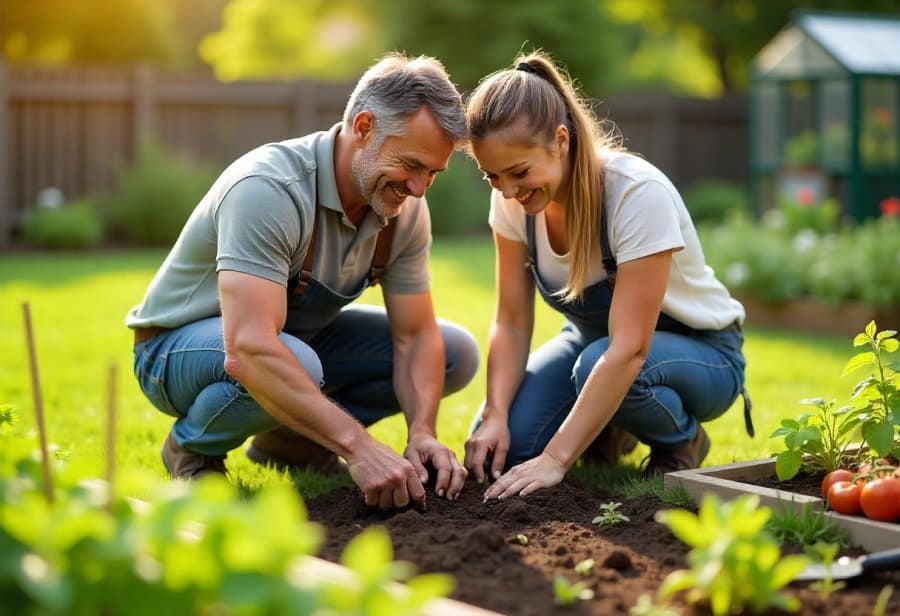
Nature’s Bridge: Reconnecting in a Digital Age
In an age where screens dominate nearly every moment of our day, it’s easy to forget the world beyond pixels and notifications. Our digital lives often leave us feeling overwhelmed, restless, or disconnected from the natural environment around us. That’s where outdoor activities like gardening come in as a vital antidote. Stepping outside and engaging with soil, plants, and the natural rhythms of life offers an immediate and tangible way to reconnect with the world beyond the screen.
Gardening encourages mindfulness—an active, intentional focus on the present moment. As you dig, plant, or water, your attention shifts away from digital distractions and into sensory experiences. Feeling the texture of soil, smelling blooming flowers, hearing the rustle of leaves—these simple acts ground you and create a sense of calm that’s hard to find indoors. It’s a sensory reset that helps clear mental clutter, reduce stress, and foster a sense of peace.
The slow, observable process of growth in a garden serves as a powerful reminder of nature’s patience and resilience. Watching a tiny seed sprout or a bud bloom teaches us that progress takes time and care—lessons often lost in the rush for instant results online. This natural cycle reconnects us with the idea that meaningful change, whether in plants or in ourselves, unfolds gradually and requires nurturing.
Sharing outdoor activities like gardening naturally builds community and emotional closeness. When working side-by-side, there’s an unspoken understanding that stems from a shared purpose. Whether planting vegetables or tending to flowers, the mutual effort fosters cooperation and trust, strengthening bonds through collective care. These moments become opportunities for genuine connection, free from the pressures of conversation or digital validation.
Nature’s restorative power extends beyond the physical act of gardening. The sights, sounds, and smells—birds chirping, flowers blooming, fresh earth—immerse us in a sensory environment that pulls us away from digital fatigue. This immersion cultivates patience, empathy, and openness—traits that are essential for building strong relationships and emotional resilience in everyday life.
Engaging outdoors also teaches us that growth and healing require time. The slow unfolding of a plant’s life cycle echoes the patience needed to nurture relationships and overcome personal challenges. These lessons in perseverance and care remind us that reconnecting with nature isn’t just about gardening; it’s about reconnecting with ourselves and each other on a deeper level.
Through gardening, we find a simple yet profound way to bridge the gap created by our digital habits. It’s a gentle reminder that real connection still exists outside the glow of screens—waiting in the soil, in the natural world, and in the shared effort of tending life together. This act of caring for the earth becomes a powerful pathway to emotional renewal, resilience, and genuine human connection.
Growing Bonds: The Practical Impact of Gardening on Relationships
Shared gardening experiences have real, tangible benefits for relationships and emotional well-being. For example, couples involved in community gardens often report feeling more connected and communicating more effectively, which spills over into other areas of life. The act of working together in the soil fosters teamwork and mutual support, helping partners develop patience and trust through shared effort. Over time, these collaborative moments create a stronger emotional bond rooted in common purpose.
Research shows that outdoor activities like gardening can lower stress hormones such as cortisol and boost mood. When done together, these effects multiply—providing a natural platform for meaningful conversations and joint problem-solving. The garden becomes a safe space where emotional walls come down, making it easier to open up and deepen trust. This shared effort encourages empathy and understanding, strengthening bonds in a subtle yet powerful way.
For individuals recovering from grief or trauma, tending a garden offers a sense of control and purpose. When couples work side-by-side, it can rekindle intimacy and rebuild trust after difficult times. Watching plants grow and flourish through shared care delivers a tangible sense of progress, hope, and resilience—lessons that extend beyond the garden into everyday life. These small acts of nurturing reinforce the idea that growth, whether in plants or relationships, requires patience and ongoing attention.
Data from mental health studies consistently highlight that outdoor routines like gardening improve patience, resilience, and a sense of achievement. Sharing these routines fosters cooperation and makes daily interactions more positive. Whether planting, watering, or weeding, the joint effort nurtures teamwork and mutual understanding, reducing feelings of loneliness and fostering a sense of belonging.
Community gardening projects further demonstrate the power of shared outdoor work. When diverse groups come together to care for a shared space, barriers break down and social bonds strengthen. These gardens become hubs of connection, where people feel a collective pride and belonging. The collaborative effort creates lasting emotional support networks that extend beyond the garden beds.
The act of nurturing life together becomes a powerful metaphor for relationship growth. It teaches patience, resilience, and the importance of ongoing care—lessons that apply directly to personal bonds. Watching plants thrive under shared effort reinforces the idea that meaningful relationships, like healthy gardens, flourish with dedicated attention and time.
Every successful sprout or blossoming flower in the garden symbolizes a shared victory. These small achievements foster pride and deepen emotional bonds, making daily interactions more positive and supportive. Over time, this shared pride builds trust and openness, making it easier to navigate challenges and celebrate successes side-by-side.
In the end, tending a garden together isn’t just about growth in the soil; it’s about cultivating trust, hope, and emotional resilience. The shared effort creates a safe space for vulnerability, support, and genuine connection. These moments of nurturing can transform relationships, proving that caring for the earth is also a way to nurture the human heart. For more on this topic, the Mayo Clinic highlights how gardening can support health, reduce stress, and connect us with nature. Click here to read the full article.
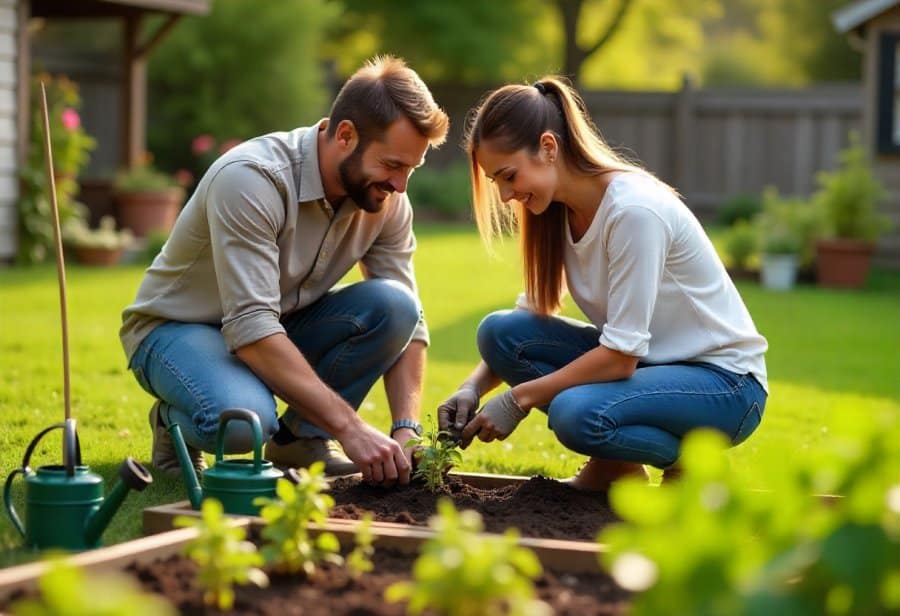
Harvesting Connection: The Lasting Rewards of Gardening Together
Sharing the act of gardening together goes beyond simply growing plants; it opens a path to deeper emotional bonds and lasting healing. When people work side-by-side in the soil, they learn patience, communicate more openly, and build trust through shared effort and small victories. These moments of nurturing become powerful symbols of partnership that can extend far beyond the garden beds, enriching other parts of life.
Gardening teaches us that growth takes time and care—lessons that resonate deeply in relationships. Watching a seed sprout or a flower bloom is more than witnessing nature’s cycle; it’s a reminder that meaningful connections, like healthy gardens, develop gradually and require ongoing attention. The shared process of tending plants encourages resilience and perseverance, qualities that help relationships withstand challenges and grow stronger over time.
Every successful sprout or vibrant blossom in the garden becomes a shared victory, reinforcing the idea that progress is a team effort. These small achievements foster pride and belonging, making everyday interactions more positive and supportive. Over time, the shared pride and trust built in the garden translate into deeper emotional bonds, creating a foundation that makes difficult conversations easier and setbacks more manageable.
Beyond the tangible results, gardening nurtures patience and empathy—traits that naturally improve how we relate to others. Caring for something alive together teaches that growth is a slow process that demands consistent effort. This shared experience fosters vulnerability and trust, turning the garden into a safe space where emotional wounds can begin to heal through mutual support.
In the end, tending to a garden together is about more than cultivating plants; it’s about cultivating trust, hope, and resilience in ourselves and each other. The act of nurturing life side-by-side plants seeds of connection that can flourish long after the last flower blooms. It reminds us that true growth—whether in relationships or in ourselves—comes from patience, care, and shared purpose.