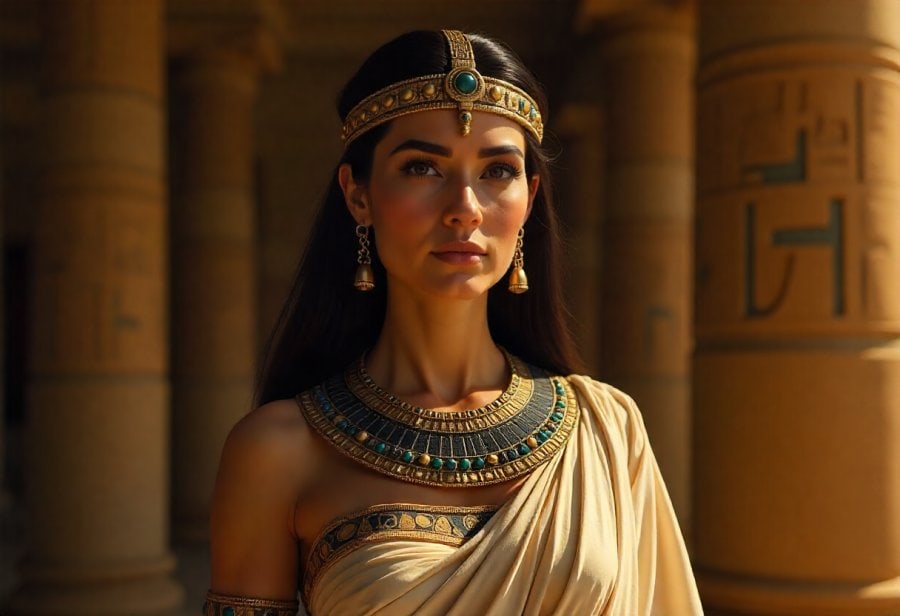
Discover the captivating story of Cleopatra VII, a leader whose brilliance extended far beyond her renowned beauty. As Egypt’s last pharaoh, she masterfully navigated a turbulent landscape of internal power struggles and Roman expansion, relying on her intelligence, strategic vision, and diplomatic skill. Her alliances with Julius Caesar and Mark Antony were meticulously calculated to preserve Egypt’s independence, showcasing her talent for reading her environment and leveraging symbolism and cultural influence to consolidate power. Cleopatra’s leadership was characterized by her adaptability, cultural savvy, and timing—traits that turned threats into opportunities and rivals into allies. Her legacy endures as a testament to the power of strategic thinking and perception management. Her life offers timeless lessons in diplomacy, patience, and influence, providing a blueprint for modern leadership. Cleopatra’s story reminds us that true power lies in the mind—and in understanding how to wield influence with insight and purpose.
Cleopatra VII: A Mastermind Behind the Myth
Cleopatra VII stands out not just as a legendary beauty but as a brilliant leader whose intelligence and strategic mind defined her reign. As the last active ruler of ancient Egypt, she faced a turbulent world filled with internal power struggles and the expanding influence of Rome. Her strength wasn’t rooted solely in her appearance; it was her sharp wit, political acumen, and ability to navigate complex alliances that truly set her apart. Cleopatra was a master diplomat, skilled at forging partnerships and managing rivalries to protect Egypt’s independence in a shifting geopolitical landscape. Her leadership was characterized by adaptability, insight, and timing—traits that helped her carve out a lasting legacy amid chaos.
Many remember her for her allure, but her true power lay in her mind. She understood that influence in her era depended on more than military might or beauty; it required cultural savvy, religious symbolism, and precise negotiation. Cleopatra’s alliances with Julius Caesar and Mark Antony weren’t merely romantic tales—they were carefully calculated moves designed to strengthen her position and safeguard her kingdom. Her ability to read her opponents, manipulate perceptions, and leverage cultural influence made her a formidable strategist who mastered the art of political survival.
Her story is a testament to the importance of strategic thinking. Cleopatra’s leadership was rooted in her talent for understanding people, timing her actions perfectly, and using symbolism to rally her followers. This combination of insight and adaptability allowed her to thrive in turbulent times and leave a legacy that continues to inspire. Her life reminds us that true power comes from the mind—an enduring lesson that resonates across centuries.
Roots of Power: The Turbulent Origins of Cleopatra’s Reign
Cleopatra’s rise to power didn’t occur in isolation; it was shaped by a complex and often turbulent political landscape. Born into the Ptolemaic dynasty, a Greek ruling family that took control of Egypt following Alexander the Great’s empire division, she inherited a legacy of internal strife and external pressures. Her father, Ptolemy XII, struggled to maintain his throne amid dissent and foreign interference, which meant Cleopatra was exposed to court politics from a young age. As a teenager, she co-ruled with her younger brother, navigating a delicate balance of alliances and rivalries within her family and beyond.
At the same time, Egypt was losing its independence. Though it retained a rich blend of Greek and Egyptian traditions, the growing influence of Rome cast a long shadow over its future. Rome’s transformation from republic to empire meant its reach extended into the eastern Mediterranean, making Egypt’s sovereignty increasingly vulnerable. Cleopatra’s leadership required a sharp sense of diplomacy and cultural influence, as her survival depended on forging strategic alliances with powerful Roman figures. Her relationships with Julius Caesar and later Mark Antony were not just personal; they were calculated moves aimed at preserving Egypt’s independence amidst the expanding Roman dominance.
Throughout her early reign, Cleopatra demonstrated resilience and political acumen. Her alliance with Caesar in 48 BCE helped stabilize her rule during a period of rebellion and chaos, producing her son Caesarion as a symbol of her ambitions. After Caesar’s assassination, she aligned with Mark Antony, seeking to challenge Roman hegemony and protect her kingdom’s autonomy. These alliances weren’t simply romantic or personal—they were deliberate strategies rooted in her ability to read her environment and manipulate circumstances to her advantage. Cleopatra’s story is ultimately one of navigating a volatile world with intelligence, agility, and a keen sense of timing.
The Strategist’s Mind: Unveiling Cleopatra’s Genius
Cleopatra’s strategic genius was rooted in her ability to blend sharp intelligence with a deep understanding of human nature and political dynamics. She was more than a ruler; she was a master diplomat who knew how to read her opponents and craft alliances that served her long-term goals. Whether negotiating with Roman leaders or managing court rivals, Cleopatra used subtlety, impeccable timing, and cultural influence to turn threats into opportunities. Her talent for seeing beyond immediate gains and focusing on the bigger picture set her apart as a truly clever strategist.
Her leadership was characterized by calculated manipulation and foresight. Cleopatra understood that symbols, religious authority, and cultural influence were powerful tools to legitimize her rule and sway public opinion. By portraying herself as a divine incarnation of Isis, she reinforced her authority both spiritually and politically, rallying her people and projecting strength beyond her military might. This mastery of perception allowed her to maintain loyalty and control even in turbulent times.
Her diplomacy extended well beyond Egypt’s borders. She cultivated relationships with influential Roman figures like Julius Caesar and Mark Antony, not out of personal interest alone but because she recognized that alliances could determine Egypt’s survival. Her ability to adapt her strategies based on shifting circumstances—whether through negotiation, cultural influence, or strategic marriages—kept her ahead of her rivals. Timing again played a crucial role; Cleopatra knew when to push forward or hold back, understanding that patience and precise action could make all the difference.
Cleopatra’s talent for influence—turning enemies into allies and threats into opportunities—demonstrates her flexibility and perceptiveness. She leveraged symbolism, cultural narratives, and political savvy to shape perceptions and preserve her power. This capacity to think several steps ahead made her a leader who thrived amid chaos, leaving a legacy of intelligence and strategic mastery that continues to inspire.
Leadership Lessons from Cleopatra: Modern Strategies in Diplomacy and Influence
Cleopatra’s leadership strategies offer valuable lessons for today’s world, especially in diplomacy and relationship management. She understood that effective leadership isn’t just about making deals; it’s about reading the environment, understanding people, and knowing when to act or hold back. Her ability to build alliances that supported her long-term goals—whether with Roman leaders or internal court rivals—demonstrates the importance of strategic patience and perceptiveness. Cleopatra knew that timing could make all the difference, often choosing moments to push forward or retreat based on her read of the situation.
Her talent for cultural influence and symbolism shows how powerful messaging can shape perceptions and loyalty. Portraying herself as a divine incarnation of Isis, she reinforced her authority both spiritually and politically, rallying her followers and projecting strength beyond military might. This mastery of perception helped her maintain control even during turbulent times, illustrating that leadership today still relies on influencing how others see you.
Timing was another crucial element of her success. Cleopatra carefully selected when to push her agenda or hold back, understanding that patience and strategic delay often lead to better outcomes. Her alliances with Julius Caesar and Mark Antony weren’t just personal or romantic—they were calculated moves to secure Egypt’s independence amid Rome’s expanding influence. Modern leaders can learn from this approach: forming strategic partnerships and recognizing the right moment to act can turn vulnerabilities into strengths.
Cleopatra’s ability to adapt her strategies based on shifting circumstances underscores the importance of flexibility and insight. She turned rivals into allies and threats into opportunities through cultural savvy, symbolism, and negotiation. Her example demonstrates that effective leadership involves a mix of emotional intelligence, patience, and perceptiveness—qualities that remain vital in navigating today’s complex, interconnected world.
Legacy and Lessons: Cleopatra’s Enduring Impact on Leadership and Culture
Cleopatra’s legacy endures because she exemplified how intelligence, strategic thinking, and cultural influence can shape history. Her capacity to navigate a turbulent political landscape, forge powerful alliances, and adapt to shifting circumstances highlights timeless leadership qualities. She demonstrated that true strength isn’t solely rooted in military power or beauty but in understanding people, leveraging symbolism, and timing actions carefully. Her story continues to inspire leaders today, reminding us that resilience and strategic acumen can overcome even the most daunting challenges.
Her life also offers valuable lessons for modern diplomacy and leadership. Cleopatra’s talent for reading her environment and manipulating circumstances shows that influence often stems from a nuanced mix of cultural savvy, emotional intelligence, and patience. The careful use of symbolism and messaging reinforced her authority and helped build loyalty among her followers and allies. These principles remain relevant in politics, business, and international relations, emphasizing that effective leadership depends on understanding human nature and shaping perceptions.
Looking ahead, exploring Cleopatra’s influence on diplomatic practices and cultural diplomacy can deepen our appreciation of her impact. Her ability to turn personal relationships into strategic tools underscores the importance of trust, timing, and influence—concepts still central to successful leadership today. Studying her methods provides insights into navigating complex environments, building resilient alliances, and leading with insight and integrity. Her story isn’t just about the past; it offers a blueprint for leadership in any era that values adaptability, perception, and cultural awareness.
Reflecting on Cleopatra’s life reminds us that the most enduring leaders are those who combine strategic intelligence with emotional depth. In a constantly changing world, the ability to read situations, leverage symbolism, and influence perceptions remains vital. Her example encourages us to develop these qualities within ourselves, recognizing that lasting influence depends on patience, perception, and the skillful use of influence. Her life demonstrates that true leadership is about resilience, insight, and purpose—values that continue to inspire across centuries.