Cleopatra VII is often remembered through stories of beauty and romance, but her true legacy lies in her sharp mind and strategic leadership. As Egypt’s last pharaoh, she navigated turbulent political waters, forging alliances with Rome’s Julius Caesar and Mark Antony—not out of vanity, but as calculated moves to preserve her kingdom’s independence. Fluent in multiple languages and an avid supporter of learning, she embraced Egyptian traditions and Greek customs, blending religion, culture, and diplomacy to legitimize her rule. Her intelligence and resilience transformed threats into opportunities, leaving a legacy rooted in wisdom, adaptability, and cultural mastery. But could her most enduring influence be the power of her mind? Cleopatra’s story challenges us to reconsider leadership as more than power—highlighting resilience, knowledge, and the art of strategic diplomacy in shaping lasting impact. Her life remains a testament to the fact that true authority resides within the mind.
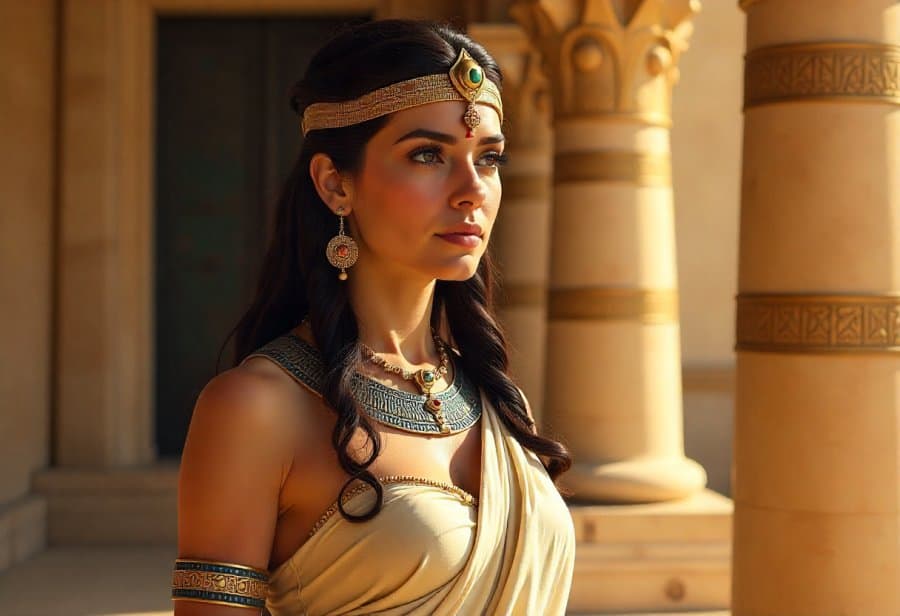
Cleopatra’s True Power: Intelligence Over Appearance
Cleopatra VII is often remembered through stories of beauty and romance, but her true legacy lies in her sharp mind and strategic leadership. She ruled Egypt during a period of intense political upheaval, facing threats from Rome and rival factions within her court. Instead of relying solely on personal charm or appearance, Cleopatra’s strength was rooted in her intelligence, diplomatic skill, and keen understanding of complex power dynamics. She knew that knowledge and wit could be as formidable as armies, and she used these tools to safeguard her kingdom’s independence.
Her leadership was marked by a remarkable ability to adapt to shifting alliances and internal conflicts. Cleopatra formed strategic partnerships with Rome’s most influential figures, notably Julius Caesar and Mark Antony, not out of vanity but as calculated moves to strengthen her position. These alliances were carefully crafted, blending diplomacy with cultural influence, and helped her maintain Egypt’s sovereignty amid the expanding reach of Rome. Her diplomatic finesse often turned potential threats into opportunities for growth and stability.
Beyond her political acumen, Cleopatra was a deeply learned leader. Fluent in multiple languages—some accounts suggest over a dozen—she could communicate directly with foreign diplomats, scholars, and leaders. This linguistic mastery enhanced her influence and demonstrated her dedication to learning. Her engagement with the famed Library of Alexandria reflected her commitment to scholarship, and her support for research and education helped her stay informed about scientific, philosophical, and political developments—tools she used to remain adaptable and strategic.
Culturally savvy as well as intellectually gifted, Cleopatra understood the importance of blending Egyptian traditions with Greek customs. She participated in religious ceremonies and employed symbols of divine authority, reinforcing her legitimacy across diverse audiences. This cultural synthesis made her more than a political figure; she was a unifying symbol whose intelligence and strategic vision allowed her to command loyalty and respect from her people.
Cleopatra’s story is more than just a romantic legend; it’s a testament to how leadership rooted in intelligence and strategic thinking can endure through centuries. Her ability to navigate turbulent times, forge powerful alliances, and turn challenges into opportunities exemplifies a form of leadership that remains relevant today. Her legacy invites us to reconsider the true sources of power—those rooted in resilience, knowledge, and diplomatic skill—rather than appearances or circumstance.
Navigating Turmoil: Cleopatra’s Rise in a Changing World
Cleopatra VII was born around 69 BCE in Alexandria, a city founded by Alexander the Great that had grown into a vibrant hub of culture, learning, and political power. She belonged to the Ptolemaic dynasty, a Macedonian Greek family that took control of Egypt after Alexander’s empire fractured. Despite ruling over a traditionally Egyptian land, her family maintained Greek language, customs, and governance, creating a complex cultural landscape for her to navigate.
Her rise to the throne came in 51 BCE, following the death of her father, Ptolemy XII. At just about 18 years old, Cleopatra inherited a kingdom rife with internal rivalries and external threats. She quickly demonstrated a sharp political instinct, understanding that her survival depended on more than military might. Forming alliances with powerful Roman figures like Julius Caesar and later Mark Antony was a strategic move, aimed at securing her position and preserving Egypt’s independence amid Rome’s expanding influence.
The political climate during her reign was turbulent. Rome’s dominance was growing across the eastern Mediterranean, pressing Egyptian sovereignty to the brink. Cleopatra’s alliances with Caesar in 48 BCE helped her reclaim her throne after a brief exile, while her partnership with Mark Antony further solidified her diplomatic approach. These relationships were not driven by personal vanity but by calculated diplomacy—tools she wielded to maintain her kingdom’s stability and her own power.
Her heritage was a blend of Greek and Egyptian influences, which shaped her approach to leadership. She respected Egyptian religious traditions and employed symbols of divine authority, participating in rituals that reinforced her legitimacy. At the same time, she embraced Greek philosophical and political ideals, positioning herself as both a learned scholar and a divine ruler. This cultural synthesis allowed her to unify diverse groups within her realm and project strength beyond Egypt’s borders.
Throughout her reign, Cleopatra faced constant threats—from rival family members eager to seize power, internal factions resisting her authority, and the encroaching influence of Rome. Her ability to adapt—through marriage alliances, cultural diplomacy, and shrewd negotiations—was key to her resilience. She saw threats as opportunities, turning adversity into advantage with strategic finesse and unwavering focus.
Her mastery of regional and international politics was complemented by her deep understanding of Egyptian traditions. She skillfully used religion and cultural symbols to legitimize her rule, blending Greek and Egyptian elements seamlessly. This cultural savvy not only strengthened her internal authority but also helped her forge alliances that extended Egypt’s influence. Her ability to navigate these complexities cemented her reputation as a leader who combined intelligence, resilience, and strategic insight.
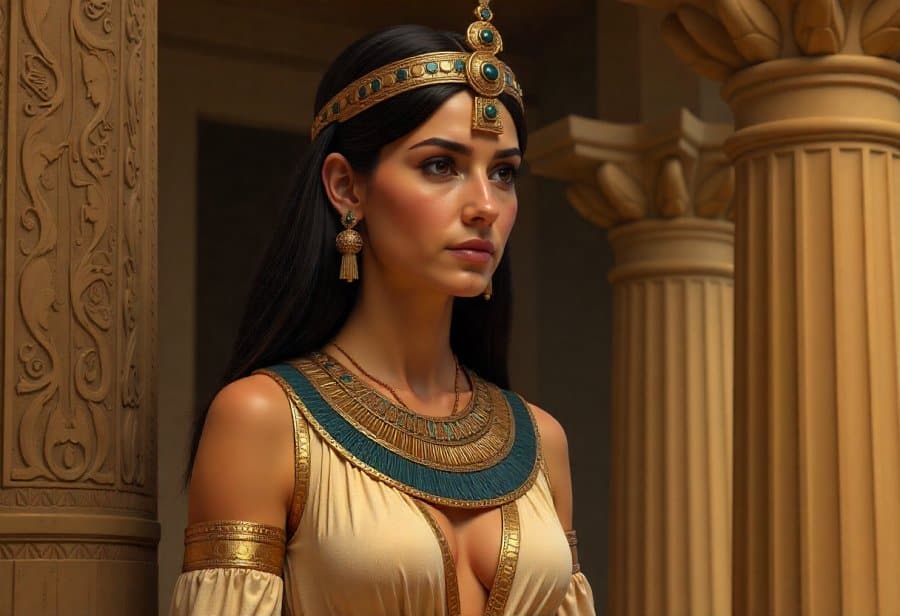
The Scholar Queen: Cleopatra’s Intellectual Mastery and Cultural Wisdom
Cleopatra’s intelligence extended far beyond her political acumen; she was one of the most scholarly rulers of her time. Fluent in multiple languages—some accounts suggest over a dozen—she could communicate directly with diplomats, scholars, and leaders from Egypt, Greece, Rome, and beyond. This linguistic mastery not only amplified her influence but also demonstrated her deep commitment to learning and cultural exchange. Being able to speak the native tongues of her allies and rivals allowed her to negotiate with confidence and authority, often bypassing intermediaries and building trust through direct dialogue.
Her love of knowledge was closely intertwined with her engagement with the legendary Library of Alexandria, a center of scientific inquiry and scholarship. Cleopatra actively supported this institution, engaging with scholars and promoting research across various fields. Her participation in intellectual discussions and her patronage of learning underscored her belief that knowledge was a vital tool for effective governance. This focus on education helped her stay informed about scientific advancements, philosophical ideas, and political developments, making her leadership more adaptable and forward-thinking.
Culturally, Cleopatra was well-versed in Egyptian religious practices and traditions. She used religious symbols, rituals, and iconography to legitimize her divine authority and connect with her diverse subjects. Her participation in sacred ceremonies and her respect for Egyptian customs reinforced her legitimacy, while her Greek heritage allowed her to appeal to a broader audience within her court. This blending of traditions made her not only a political leader but also a spiritual figure who unified her realm through shared symbols of divine right and wisdom.
Her scholarly pursuits were strategic as much as personal. Cleopatra understood that a ruler’s knowledge of history, philosophy, and religion could bolster her authority and influence. Her alliances with Julius Caesar and Mark Antony were informed by her understanding of regional power dynamics and cultural nuances. This intellectual approach to diplomacy set her apart from many of her contemporaries, making her a sophisticated strategist who used wisdom as a cornerstone of her leadership.
Throughout her reign, Cleopatra’s mastery of cultural and scholarly knowledge helped project strength and legitimacy across Egypt and beyond. Her support for the arts and sciences, along with her multilingual abilities, reinforced her image as a learned monarch who valued wisdom and education. Her dedication to intellectual growth and cultural literacy inspired those around her and left a legacy that extended well beyond her political achievements.
Cleopatra’s example reminds us that true leadership often depends on a blend of knowledge, cultural awareness, and strategic insight. Her ability to navigate complex political landscapes through scholarship and diplomacy made her a formidable figure whose influence endured through centuries. Her legacy continues to inspire modern leaders to prioritize education, cultural understanding, and continuous learning as essential tools for effective governance and lasting impact.
Enduring Influence: Cleopatra’s Legacy of Leadership, Resilience, and Knowledge
Cleopatra’s influence extends far beyond her lifetime, shaping our understanding of leadership, strategy, and resilience. She defied the stereotype of female rulers as decorative figures, demonstrating that intelligence and diplomatic skill could forge a lasting legacy. Her alliances with Julius Caesar and Mark Antony showcased how strategic relationships rooted in mutual benefit and understanding could alter the course of history. Cleopatra’s talent for turning threats into opportunities reveals a leadership style grounded in wisdom, adaptability, and strategic foresight—qualities still relevant today.
Throughout her reign, Cleopatra expertly used Egypt’s cultural and religious symbols to reinforce her authority. By seamlessly blending Greek and Egyptian traditions, she created a unified identity that resonated with a diverse population. Her marriage alliances, diplomatic negotiations, and cultural diplomacy were carefully crafted to preserve Egypt’s independence amid Rome’s expanding dominance. These skills serve as timeless lessons: effective leadership combines deep cultural awareness with strategic vision and the ability to adapt to changing circumstances.
Despite internal rivalries and external pressures from Rome, Cleopatra’s resilience and ingenuity kept her in power. Her quick assessment of situations and willingness to leverage every challenge turned adversity into an advantage. Her capacity to adapt and make calculated decisions under immense pressure exemplifies the resilience that underpins lasting influence. Her story reminds us that perseverance, coupled with strategic thinking, can withstand even the most daunting obstacles and secure a leader’s place in history.
Her role as a patron of learning and her active support of the Library of Alexandria highlight her commitment to education and cultural preservation. Her multilingualism and engagement with scholars exemplify how knowledge and intellectual growth are vital tools for influence. Cleopatra understood that fostering learning and fostering cultural exchange not only strengthened her rule but also left a legacy that inspired future generations to value education as a cornerstone of leadership. Her example elevates the importance of continuous learning and cultural literacy as keys to enduring influence.
Today, Cleopatra’s legacy continues to inspire. She challenges us to see leadership as more than just power—it’s about resilience, wisdom, and the ability to adapt and forge alliances. Her mastery of diplomacy, culture, and scholarship makes her a model for modern leaders navigating complex global environments. Her life story encourages us to prioritize knowledge, cultural understanding, and strategic foresight, proving that true influence endures when rooted in intelligence and resilience. Cleopatra’s example remains a powerful reminder that the mind is the most formidable tool of leadership.
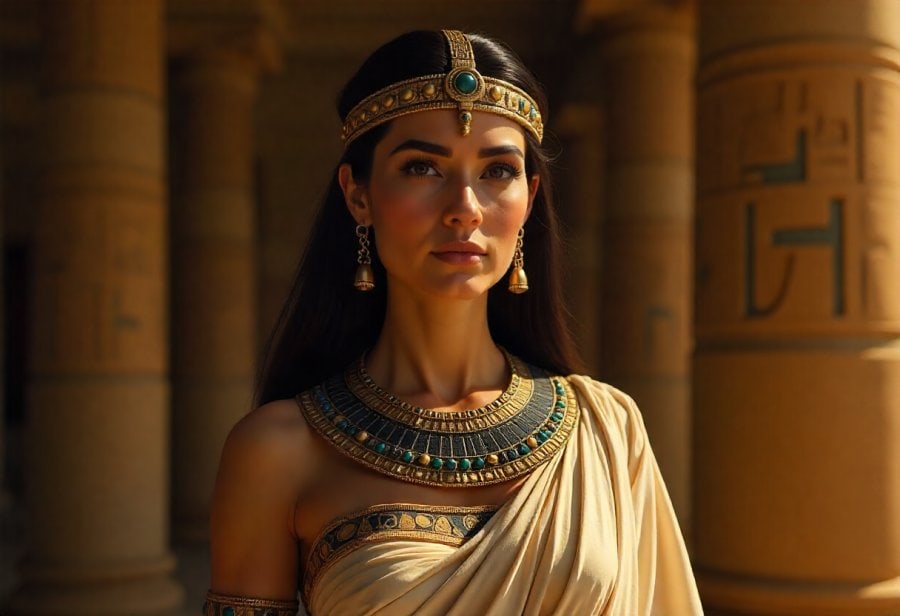
Modern Echoes: Cleopatra’s Continued Relevance in Leadership and Scholarship
Cleopatra’s legacy continues to shape modern leadership in profound ways, emphasizing the importance of intellect, cultural awareness, and resilience. Today’s scholars and leaders increasingly see her not just as a romantic legend, but as a strategic thinker who understood the power of knowledge and diplomacy. Her ability to adapt to changing political landscapes and forge alliances based on mutual benefit remains a blueprint for effective leadership amid complexity.
Her story highlights the timeless value of cultural sensitivity. Cleopatra’s mastery of blending Greek and Egyptian traditions allowed her to build a unified identity that resonated with diverse audiences. This approach of leveraging cultural symbols and traditions to legitimize authority offers lessons for contemporary leaders navigating multicultural and interconnected environments. It underscores that understanding and respecting cultural nuances can be a decisive factor in sustaining influence.
Research and archaeological discoveries continue to shed new light on her reign, revealing her as a patron of learning and innovation. Her commitment to the Library of Alexandria and her multilingual abilities exemplify how intellectual curiosity and cultural literacy are vital tools for leadership. Modern institutions and scholars draw inspiration from her example, recognizing that fostering continuous learning and cross-cultural dialogue strengthens influence and legacy.
Resilience remains a core element of Cleopatra’s enduring impact. Her ability to turn adversity into opportunity—whether through shrewd diplomacy, strategic marriage alliances, or cultural diplomacy—serves as a powerful reminder that perseverance and adaptability are essential in today’s fast-changing world. Leaders who can assess situations swiftly and respond creatively often leave the most lasting impressions, much like Cleopatra did in her time.
Her role as a pioneer for women in leadership also resonates today. Cleopatra demonstrated that intelligence, strategic vision, and resilience transcend gender stereotypes. Her example encourages a reevaluation of leadership qualities, advocating for diverse voices and emphasizing that true influence stems from wisdom, cultural savvy, and the ability to forge alliances in the face of challenge.
As modern leadership continues to evolve in an increasingly globalized landscape, Cleopatra’s life offers timeless lessons. Valuing knowledge, embracing cultural complexity, and maintaining resilience remain crucial for lasting impact. Her legacy reminds us that the most powerful leaders are those who lead with their minds as much as their hearts, inspiring future generations to prioritize learning, adaptability, and strategic thinking in shaping their influence.