Discover how simple, routine battery checks can revolutionize your driving experience and prevent unexpected breakdowns. This insightful guide emphasizes the importance of understanding your car’s lead-acid battery, highlighting signs of wear like corrosion and low voltage readings. Learn easy maintenance tips such as cleaning terminals with baking soda, tightening connections, and monitoring fluid levels to extend your battery’s lifespan. By incorporating these quick, consistent checks into your regular car care, you reduce the risk of being stranded and ensure your vehicle runs smoothly in all weather conditions. The guide also offers practical advice on safeguarding your battery from extreme temperatures and avoiding short trips that hinder recharging. Taking control of these simple maintenance habits not only enhances reliability but also provides peace of mind—making worry-free driving a reality. Equip yourself with knowledge to select the right replacement when needed, ensuring your vehicle remains dependable for all journeys ahead.

Ensure Reliable Driving with Simple Battery Maintenance Tips
A dependable car battery is the backbone of trouble-free driving. Many drivers only think about it when it fails unexpectedly, leaving them stranded or facing costly repairs. Yet, with a bit of routine attention, you can prevent most battery-related issues before they happen. Regularly checking your battery’s condition—whether through simple visual inspections or quick voltage tests—can catch problems early, saving you time and stress on the road.
Understanding what’s happening inside your battery is key to keeping it in good shape. Most vehicles rely on lead-acid batteries that provide the power needed to start the engine and run essential systems. Over time, factors like age, temperature swings, and electrical demands from accessories gradually wear down the battery. Recognizing signs such as corrosion on terminals, low voltage readings, or sluggish starts allows you to address issues proactively, rather than waiting for a breakdown.
Maintaining your battery doesn’t have to be complicated. Simple routines like inspecting terminals for corrosion, cleaning them with baking soda and water, and ensuring tight connections can significantly extend its life. Using a multimeter to check the voltage provides quick insight into its health—aim for around 12.6 volts when the engine is off. Incorporating these small checks into your regular car care keeps your vehicle dependable and ready for any journey, especially during extreme weather or busy mornings when surprises are the last thing you need.
By making routine battery maintenance part of your vehicle care, you’re taking control of your driving experience. These straightforward steps—cleaning corrosion, tightening connections, and monitoring fluid levels—act as safeguards against unexpected failures. Protecting your battery from extreme temperatures and avoiding short trips that don’t allow for proper recharging can also help prolong its lifespan. When it’s time to replace your battery, understanding how to choose the right one ensures you get a durable, reliable part tailored to your driving needs. Mastering these simple maintenance habits not only prevents roadside emergencies but also gives you peace of mind, making worry-free driving a reality.

Master the Fundamentals of Car Battery Care for Longevity
Understanding your car battery is fundamental to keeping your vehicle reliable and avoiding unexpected breakdowns. Most modern cars depend on lead-acid batteries that supply the electrical power needed to start the engine and operate various systems. Over time, these batteries naturally degrade due to factors like age, temperature fluctuations, and electrical demands from accessories. Recognizing how your battery functions and the signs of declining performance can help you address issues early, saving you both time and money.
Routine maintenance revolves around monitoring key indicators of battery health. Corrosion on terminals, which appears as a white or bluish powder, is a common sign that your battery may be struggling. This buildup can hinder electrical flow, reducing efficiency and causing starting problems. A practical way to assess your battery’s condition is by using a multimeter to check the voltage—aim for around 12.6 volts with the engine off. A reading significantly lower suggests that your battery is weakening and may need attention soon. By keeping an eye on these signs, you can catch potential problems before they develop into inconvenient failures.
Maintaining your battery doesn’t require complex procedures, but consistency is key. Regularly inspecting and cleaning corrosion from terminals with a mixture of baking soda and water can restore good electrical contact. Ensuring terminal connections are tight prevents issues caused by loose wiring, which can lead to intermittent faults or starting difficulties. If your battery has removable caps, checking fluid levels and topping up with distilled water—according to your vehicle’s manual—can prolong its lifespan. These simple steps, performed routinely, help sustain your battery’s performance and extend its service life.
Understanding what accelerates battery wear also helps in maintaining optimal performance. Extreme heat and cold significantly impact battery efficiency, so parking in shaded or sheltered areas during hot weather and protecting your vehicle in winter can reduce deterioration. Short trips that don’t allow the battery to fully recharge speed up aging, so combining regular checks with mindful driving habits can make a difference. When it comes time for a replacement, knowing how to choose batteries suited for your vehicle’s needs—by researching or consulting trusted sources—ensures you select a durable and reliable option. Mastering these foundational maintenance practices keeps your vehicle dependable and your driving experience worry-free.
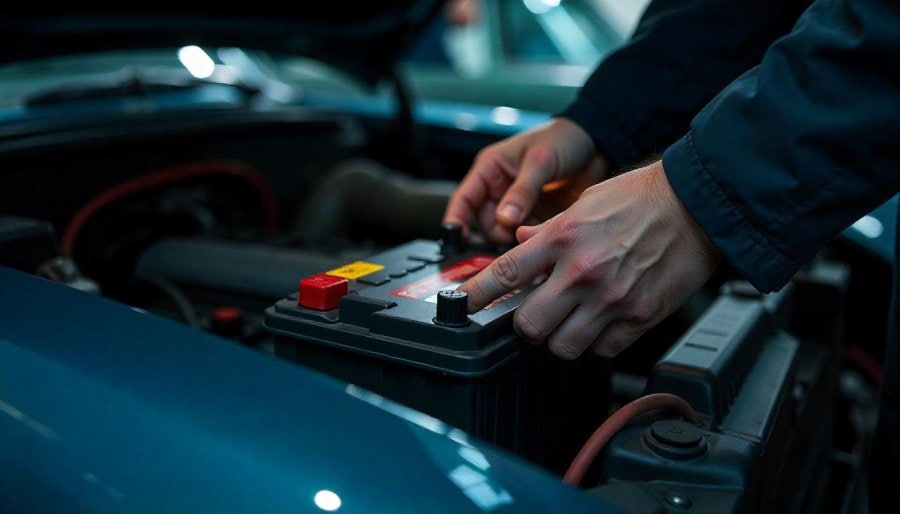
Establish Effective Routines to Keep Your Battery in Peak Condition
To keep your car battery in top shape, establishing a simple routine can make a significant difference. Regularly inspecting the battery terminals for signs of corrosion—those white or bluish powdery deposits—can prevent many electrical issues before they start. Cleaning corrosion with a mixture of baking soda and water restores good contact and ensures your battery delivers reliable power when you need it. Tightening loose connections is equally important; even a slight looseness can cause starting problems or intermittent electrical faults. Incorporating these quick checks into your regular car care routine helps catch potential problems early, saving you from unexpected breakdowns.
Performing a thorough battery inspection doesn’t require much time but offers substantial benefits. Start by turning off the engine and opening the hood to access the battery. Look closely at the terminals for any buildup of corrosion, swelling, cracks, or leaks—all of which signal underlying issues. Using a multimeter to check the voltage provides an efficient way to assess your battery’s health—aim for around 12.6 volts with the engine off. A reading significantly below this indicates that your battery is weakening and may need replacing soon. Making these checks a habit allows you to identify problems early, reducing the risk of roadside failures and keeping your vehicle dependable.
Routine maintenance extends beyond just cleaning and tightening. Regularly checking fluid levels—if your battery has removable caps—and topping up with distilled water can prolong its lifespan. Always consult your vehicle manual before opening the caps to avoid overfilling or damaging the battery. Additionally, observe the overall condition of the battery case; swelling or cracks can point to overheating or damage that warrants attention. These simple, consistent steps help sustain your battery’s performance, especially during extreme weather conditions that accelerate wear. Protecting your battery from environmental extremes by parking in shaded or sheltered areas and avoiding short trips that prevent full recharging also makes a difference.
Preventive care isn’t just about immediate fixes; it’s about creating a routine that ensures your vehicle remains reliable over time. By integrating these simple maintenance practices—checking terminals, cleaning corrosion, monitoring fluid levels, and safeguarding against temperature extremes—you build a proactive approach that minimizes the risk of breakdowns. When it’s time to replace your battery, knowing how to choose batteries suited for your vehicle’s needs—by researching or consulting trusted sources—ensures you get a durable, dependable part. Mastering these routine steps transforms car care from a chore into an effective safeguard, keeping your vehicle ready to start smoothly whenever you turn the key.