Step into the roaring era of 1970s American muscle cars with the Chevrolet SS, a symbol of raw power, bold design, and rebellious spirit. This legendary vehicle encapsulates a time when horsepower reigned supreme and style was an unapologetic statement of individuality. From its thunderous V8 engine to its striking Hugger Orange paint, every detail reflects a daring attitude that captured the imagination of a generation seeking freedom and adrenaline. But beyond its eye-catching aesthetics lies a story of innovation, cultural impact, and enduring legacy. As modern enthusiasts restore and celebrate these icons, the question arises: how does the Chevrolet SS continue to influence contemporary automotive design and American identity? This is more than nostalgia—it’s a testament to a daring era that defined a nation’s love affair with speed, style, and the pursuit of greatness.
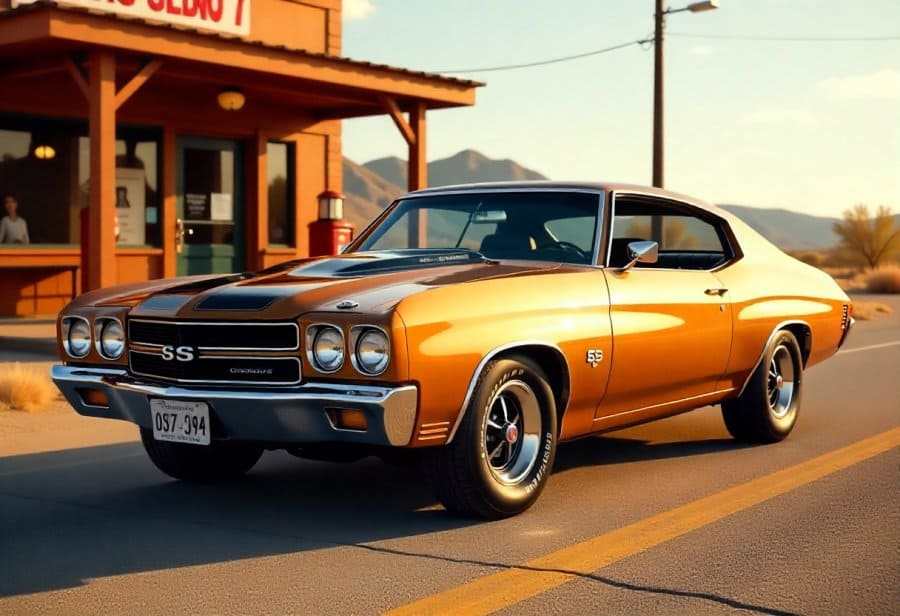
Unleashing Power and Style: The 1970s Chevrolet SS and the Muscle Car Revolution
The muscle car boom of the 1960s and 1970s transformed American automotive culture, turning everyday cars into powerful symbols of rebellion and freedom. These vehicles weren’t just about speed—they represented a bold attitude, a desire to stand out and push limits. Built with large V8 engines and aggressive styling, muscle cars like the Chevrolet Chevelle SS and Pontiac GTO captured the imagination of a generation eager for excitement. Their roaring engines and striking looks became icons that embodied the spirit of daring independence and raw power.
Performance innovations accelerated rapidly during this era. Cars like the Chevrolet SS 454 boasted engines with over 450 horsepower, a staggering feat at the time. These machines combined advanced engineering—sleek aerodynamics, performance-tuned suspensions, and bold design elements—making them not only fast but also capable of sharp handling. They became street dominators, symbols of American ingenuity that appealed to young drivers craving distinction and adrenaline.
By the late 1960s, muscle cars reached their peak popularity, but challenges soon emerged. Increasing concerns over fuel efficiency and emissions, along with rising insurance costs for high-performance vehicles, started to tame their dominance. Despite this, models like the Chevrolet SS 454 remained cultural icons, embodying unrestrained horsepower and muscular styling that defined an era. They stood as testaments to a time when performance was king and style was just as important as speed.
Design played a key role in their allure. Broad, muscular stances, bold body lines, and vibrant paint options like Hugger Orange made these cars impossible to ignore. Chrome accents and signature features like cowl-induction hoods added to their aggressive presence. These visual cues weren’t just aesthetic—they reflected the rebellious, performance-driven ethos that made muscle cars so memorable. Every detail reinforced their identity as symbols of speed and attitude.
Under the hood, engine technology pushed boundaries. The Chevrolet SS 454’s massive 454 cubic inch V8 was legendary, delivering around 450 horsepower and a thunderous exhaust note. Built for durability and raw power, these cars could accelerate quickly and leave a lasting impression. Their combination of engineering excellence and bold styling made them more than vehicles—they became moving icons of American muscle, capturing the imagination of enthusiasts and casual observers alike.
Pioneering Performance: The Rise and Reign of Muscle Cars in America
The rise of muscle cars in the 1960s and early 1970s marked a turning point in American automotive history, transforming ordinary cars into symbols of raw power and rebellious spirit. These vehicles were characterized by their large V8 engines and bold, aggressive styling, designed to turn heads and deliver adrenaline-pumping performance. The muscle car craze was fueled by a society eager to break free from traditional norms, riding a wave of post-war prosperity that made speed and individuality highly desirable. Manufacturers like Chevrolet, Pontiac, and Ford competed fiercely, constantly pushing the limits of engine power and design to create vehicles that weren’t just fast—they were statement pieces.
Performance innovations during this period came rapidly, with cars such as the Chevrolet SS 454 boasting engines that produced over 450 horsepower. This breakthrough in power was complemented by aerodynamic improvements, suspension upgrades, and distinctive aesthetic features that emphasized strength and speed. These cars quickly became street legends, capable of impressive acceleration and sharp handling, appealing to a generation that craved excitement and dominance on the road. The muscle car’s reputation grew as a symbol of American ingenuity and daring, capturing the imagination of young drivers and car enthusiasts alike.
By the late 1960s, muscle cars had reached their peak popularity, becoming cultural icons that represented more than just transportation. Their bold designs—wide, muscular stances, vibrant paint colors like Hugger Orange, and chrome accents—became symbols of rebellion and individuality. Signature features like cowl-induction hoods and aggressive body lines communicated their performance potential even before the engine roared to life. These aesthetic choices reflected the era’s daring attitude, making muscle cars a visual and mechanical expression of freedom and defiance.
However, the momentum faced challenges as the 1970s progressed. Growing concerns over fuel efficiency and emissions standards led automakers to scale back engine sizes and tame horsepower. Rising insurance premiums for high-performance vehicles also made muscle cars less accessible, shifting the cultural landscape. Despite these hurdles, models like the Chevrolet SS 454 remained enduring symbols of unrestrained American horsepower, embodying a time when speed and style reigned supreme and pushing the boundaries was the ultimate goal.
In essence, the muscle car era was a reflection of American innovation, daring, and the desire for self-expression. It was a time when performance was king and style was an uncompromising statement. The legacy of this period continues to influence automotive design and culture today, reminding us of an age when cars weren’t just tools—they were expressions of rebellion and dreams of freedom on four wheels.
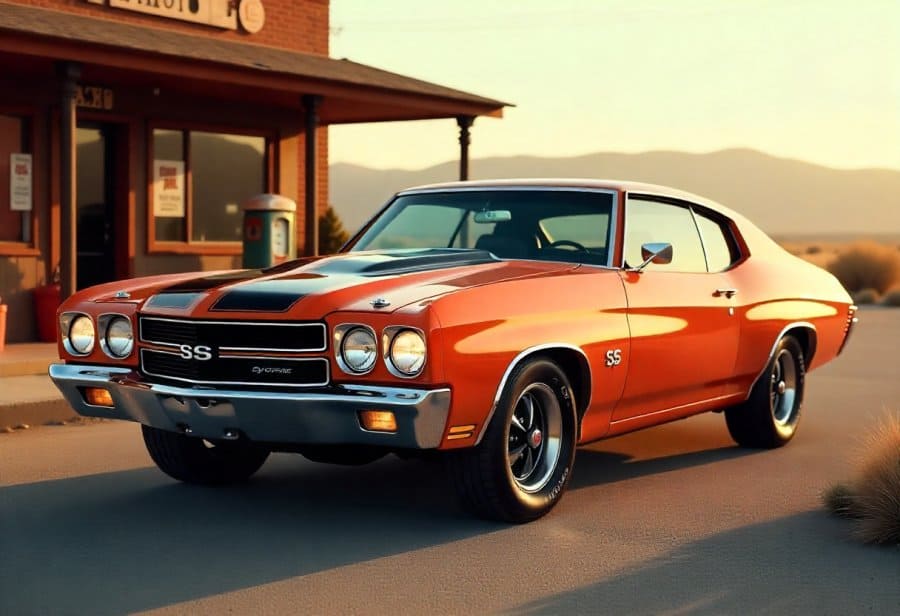
Icons of Rebellion: How the Chevrolet SS Became a Symbol of American Muscle and Culture
The Chevrolet SS of the 1970s did more than just turn heads with its raw power and bold styling—it became a potent symbol of American muscle and cultural identity. These cars captured a rebellious spirit that resonated deeply with a generation eager to showcase strength, individuality, and freedom. Their thunderous engines and aggressive looks made them icons not only on the streets but also in movies, music, and popular culture, where they often represented the pinnacle of American performance and attitude.
Muscle cars like the Chevrolet SS played a significant role in shaping societal perceptions of speed, style, and status. Owning one was more than a practical choice; it was a declaration of personality and defiance. These vehicles became symbols of a desire to break free from conformity, offering young drivers a way to stand out and express themselves boldly. Car culture grew around these machines, with enthusiasts sharing stories, racing, and customizing their cars to reflect their own identities, forging a community bound by passion.
The sounds and visuals of these cars reinforced their legendary status. The deep, resonant growl of a big-block engine became a signature of muscle car nostalgia, stirring adrenaline and excitement long after the engine stopped. Bright colors like Hugger Orange and high-impact reds, paired with chrome accents, created a visual language of strength and individuality. These aesthetic choices weren’t just about beauty—they embodied the rebellious attitude and performance-driven ethos that made muscle cars so memorable.
Beyond their outward appearance and mechanical prowess, the Chevrolet SS’s influence extended into broader social movements. They came to symbolize American resilience, ingenuity, and daring during a turbulent era. Their presence in movies, music, and street racing culture elevated them from mere vehicles to icons of rebellion. The roaring engines and striking designs represented more than speed; they captured a collective desire to push boundaries, challenge conventions, and celebrate independence, making them enduring symbols of American daring.
Today, the legacy of the Chevrolet SS continues through the stories of enthusiasts who restore, preserve, and celebrate these cars. Restoring a vintage muscle car like the Chevelle SS 454 isn’t just about mechanics—it’s about keeping alive a piece of American history and spirit. Sharing these experiences at car shows or in online communities fosters a sense of camaraderie that fuels the passion and ensures that the muscle car’s daring attitude remains alive and inspiring future generations.
From Garage to Glory: The Passion and Practicality Behind Restoring the Chevrolet SS
The nostalgia surrounding the Chevrolet SS continues to fuel a vibrant car culture that spans generations. Enthusiasts gather at car shows, swap meets, and cruise-ins, sharing stories of restoration projects and memorable drives. For many, bringing a vintage muscle car like the Chevelle SS 454 back to life is more than a hobby—it’s a way to connect with a piece of American automotive history. Restoring these cars involves a careful balance of preserving authenticity and adding personal touches that highlight their legendary status.
Restoration isn’t just about fixing mechanical parts; it’s about honoring the bold spirit that made these cars icons. Authenticity matters, so sourcing original or high-quality reproduction parts helps maintain the vintage look. Restorers pay special attention to details like period-correct paint in vibrant hues such as Hugger Orange, restoring the aggressive body lines, and polishing chrome accents. These visual touches aren’t mere aesthetics—they evoke the muscle car’s original ethos of power and individuality, making each vehicle a moving piece of history.
Driving a restored Chevrolet SS creates a tangible link to the past. The deep growl of the big-block engine, the gleam of freshly restored paint, and the commanding stance of its muscular silhouette serve as vivid reminders of an era when cars were expressions of daring and freedom. Many owners take pride in showcasing their vehicles at local events or cruising scenic routes, relishing the admiration and conversations that follow. These moments forge a personal connection that transforms ownership from mere possession into a shared celebration of a storied legacy.
Community plays a crucial role in preserving and passing down the muscle car culture. Online forums, social media groups, and dedicated clubs offer resources, advice, and camaraderie. Enthusiasts exchange restoration tips, source rare parts, and organize meetups that keep the passion alive. Platforms like YouTube are filled with tutorials that make the restoration process accessible to newcomers, fostering a new wave of enthusiasts eager to experience the thrill of vintage muscle. This collective effort ensures the legacy continues to thrive.
Owning and restoring a Chevrolet SS isn’t just about nostalgia; it’s a celebration of craftsmanship, daring innovation, and American resilience. Each polished chrome detail or engine upgrade pays homage to an era when performance and style went hand in hand. These cars become more than transportation—they embody freedom, rebellion, and a relentless pursuit of excellence. By maintaining and sharing these vehicles, owners keep alive the daring attitude that defined the muscle car era, inspiring future generations to dream big and drive fast.
In this way, the Chevrolet SS’s influence extends beyond the garage or the show field. It weaves into a broader cultural fabric, inspiring stories, friendships, and a shared passion that keeps the legacy of American muscle alive. Whether through a carefully restored classic or a spirited cruise with friends, the power of these cars continues to inspire a love for bold design and raw performance. They remind us that at their best, cars are not just machines—they’re symbols of daring, freedom, and the enduring spirit of American innovation.
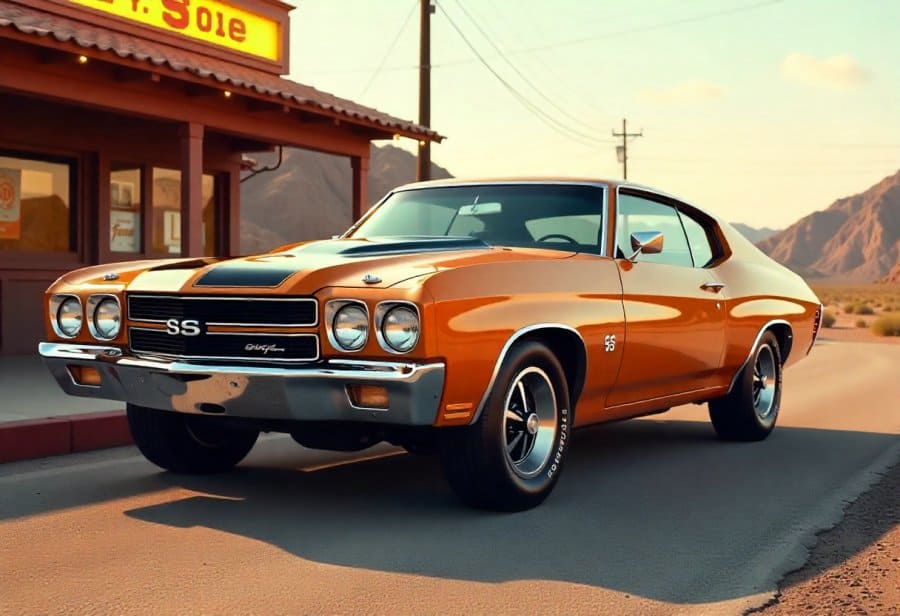
Legacy of Power: Reflecting on the Chevrolet SS’s Impact and Future in Automotive History
The Chevrolet SS of the 1970s remains a standout symbol in the story of American muscle cars. More than just a vintage vehicle, it represents an era where bold design met unrestrained horsepower, capturing the rebellious spirit that defined a generation. Its legacy endures because it embodies the daring attitude and innovative engineering that made muscle cars icons of American resilience and creativity.
Looking ahead, the influence of the Chevrolet SS persists in modern automotive design. Its aggressive styling cues and powerful performance continue to inspire new muscle car models, serving as a benchmark for both aesthetics and engineering excellence. Car enthusiasts and manufacturers alike draw inspiration from its distinctive stance and signature features, ensuring that the spirit of the classic Chevelle and Camaro lives on in contemporary renditions.
The cultural significance of the Chevrolet SS extends beyond its technical specs. It symbolizes a time when performance and style were about more than just speed—they expressed individuality, freedom, and a fearless attitude. These cars became integral to American identity, inspiring stories, dreams, and a sense of daring that still resonates today. Their roar on the streets and in popular culture cemented their place as more than transportation—they are moving embodiments of rebellion and innovation.
Preserving the legacy of the Chevrolet SS involves ongoing passion and dedication from collectors, restorers, and enthusiasts. Each restored model is a tribute to the craftsmanship and daring that defined the muscle car era. Sharing stories at car shows, online forums, or in personal garages keeps the community alive, fostering a sense of continuity and excitement for future generations. Every restored engine, polished chrome detail, or period-perfect paint job helps safeguard this iconic chapter of automotive history.
As the years pass, the Chevrolet SS’s story continues to inspire new fans and creators. Its timeless design and raw power remind us that true innovation marries form and function, capturing the imagination across generations. The muscle car’s roar remains a powerful call to celebrate American ingenuity, daring, and the relentless pursuit of performance.
In celebrating this legacy, we recognize that the Chevrolet SS is more than a classic car. It’s a symbol of a bold, adventurous spirit that refuses to fade. Its influence will undoubtedly shape future automotive milestones, inspiring new waves of performance and style rooted in the daring ethos of the muscle car era. The legend of the Chevrolet SS endures because it embodies the very essence of American muscle—powerful, unapologetic, and forever free.