Mastering the art of calm dog walking is more than just teaching good manners; it’s about forging a deeper bond rooted in trust and mutual understanding. When your dog walks peacefully beside you, it transforms routine outings into tranquil moments of connection. But how can such harmony be achieved amidst distractions, stubbornness, or past fears? This guide explores essential techniques—positive reinforcement, proper leash handling, and gradual exposure—that turn chaos into calm. It emphasizes patience, consistency, and tailoring approaches to your dog’s personality, making each walk a shared journey of confidence and trust. Yet, inevitable setbacks and external triggers pose challenges along the way. Are you prepared to navigate these hurdles and turn everyday walks into peaceful rituals of companionship? With dedication and gentle guidance, transforming your walks from stressful to serene is not only possible but profoundly rewarding, creating a lifelong foundation of love and respect.
Deepen Your Connection: The Power of Calm Dog Walking
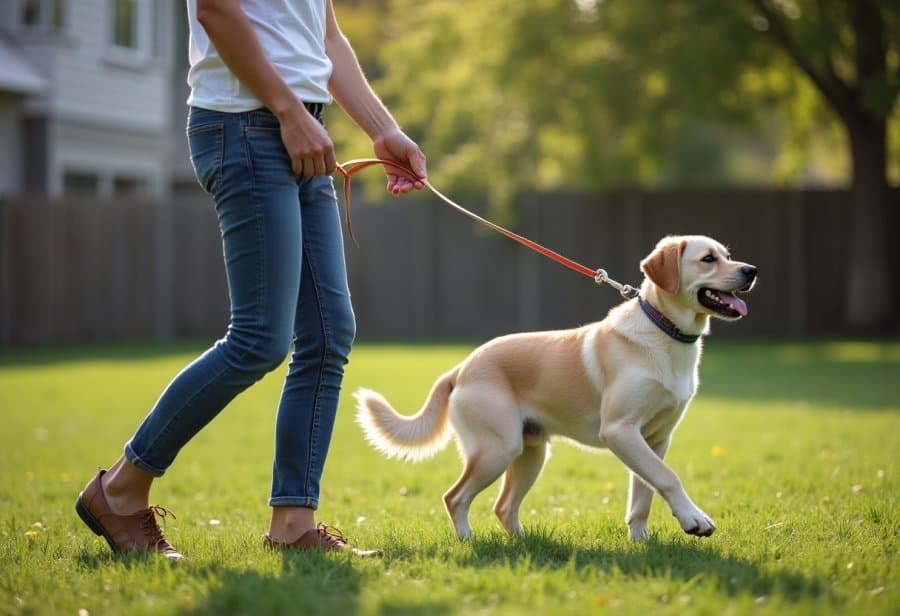
Mastering calm dog walking is about more than just teaching your pet good manners; it’s an opportunity to deepen your connection and build mutual trust. When your dog walks beside you peacefully, it sets a steady, soothing rhythm that transforms an ordinary outing into a shared experience of harmony. This calm demeanor isn’t just about avoiding pulling or lunging—it’s the foundation for clear communication and respectful understanding between you and your dog.
A well-trained, relaxed walk makes outings safer and more enjoyable for both of you. Calm dogs are less reactive to external stimuli, which means fewer stressful moments and fewer conflicts. Over time, these peaceful walks help your dog develop emotional stability, making them more confident in new environments. As a result, your outings become less about control and more about mutual exploration and bonding.
Beyond the immediate benefits, mastering calm leash manners often translates into better behavior at home and in social settings. It reduces issues like pulling or ignoring commands, making daily routines smoother and more pleasant. Achieving this level of calm requires patience, consistency, and positive reinforcement, but the long-term rewards—trust, respect, and a stronger bond—are well worth the effort.
Building trust through peaceful leash training also enhances your dog’s confidence. When your pet feels safe and understands what’s expected, they’re more relaxed in unfamiliar or challenging situations. This confidence not only improves their overall behavior but also fosters a sense of security that strengthens your relationship.
Finally, calm walking turns everyday routines into meaningful rituals of connection. Quiet moments during a walk—where your dog looks up at you with attentive eyes—can deepen the emotional bond you share. These peaceful exchanges transform your dog from a pet into a true companion, enriching both your lives and creating a foundation for lifelong trust and mutual respect.
Foundations of Peaceful Outings: Core Concepts of Effective Leash Training
Calm dog walking is built on the idea that a well-trained dog responds reliably to clear, consistent cues. Establishing a steady rhythm where your dog stays close without pulling or lunging at distractions is the foundation. This begins with simple commands like “heel” or “walk,” which you reinforce through immediate praise and treats. When your dog associates these cues with positive outcomes, walking becomes smoother and more predictable, setting the stage for a peaceful routine.
Proper leash handling is equally important. Keep the leash slack to encourage relaxed walking and avoid jerks or sudden pulls that can cause confusion or frustration. Use gentle, steady cues to guide your dog, rewarding them when they respond correctly. Over time, this approach helps your dog understand that staying close and focused leads to praise, making it easier to maintain control during walks.
Patience plays a crucial role in developing these habits. Dogs don’t master new routines overnight, especially if they’re easily distracted or energetic. Consistent practice—just a few minutes daily—reinforces desired behaviors and builds their confidence. Immediate rewards for calm responses help your dog understand which actions earn positive reinforcement, creating a trustworthy communication loop.
Modern training favors positive reinforcement over correction. Using treats, praise, or play fosters trust and cooperation, making training sessions enjoyable rather than stressful. Understanding your dog’s motivation—rewarding good behavior—encourages long-lasting good manners on the leash and helps establish a calm, mutual understanding during every walk.
Laying these foundational ideas creates a trusting environment where calm leash walking becomes second nature. Clear communication, gentle handling, and patience set the stage for a peaceful, enjoyable experience that strengthens your bond and makes daily outings more relaxed and rewarding for both of you.
Mastering Harmony: Strategies for Calm, Confident Walks
Achieving calm, harmonious walks involves a combination of effective techniques and consistent practice. Managing common issues like pulling, lunging, or losing focus requires patience and a strategic approach. Start by rewarding your dog when they walk beside you calmly, using treats or praise to reinforce these behaviors. When they pull or get distracted, stop immediately until they refocus, then redirect with a clear cue like “heel” or “let’s go.” This teaches your dog that staying close results in moving forward, transforming walks into cooperative experiences.
Proper leash handling is essential. Keep the slack to promote relaxation and avoid jerks that cause confusion. Use gentle, steady cues rather than harsh corrections, helping your dog associate calm walking with positive outcomes. Gradually introduce distractions—such as passing cars or other dogs—by increasing distance and rewarding calm responses. This gradual exposure builds confidence and reduces reactivity, making walks more peaceful over time.
Techniques like clicker training can sharpen your communication. Marking desired behaviors with a click and rewarding immediately helps your dog understand expectations clearly. These positive reinforcement methods foster trust and reduce anxiety, making training sessions more enjoyable for both of you. Combining these tools with patience and consistency creates a balanced routine that turns walks into moments of connection rather than frustration.
Remember, consistency is key. Short, frequent training sessions are more effective than long, sporadic ones. Celebrate small wins, like a few seconds of focused walking, to motivate your dog. Over time, gradually increase difficulty by adding distractions, always rewarding calm, focused behavior. Patience through setbacks and persistence will help solidify these habits, leading to more relaxed, enjoyable walks.
Finally, tailor your approach to your dog’s personality and needs. Every dog is unique, so adjust your methods accordingly. With dedication and gentle guidance, calm, harmonious walks will become a natural part of your routine, strengthening your bond and transforming everyday outings into shared moments of peace and trust.
Real-World Success: Applying Calm Walking Techniques in Daily Life
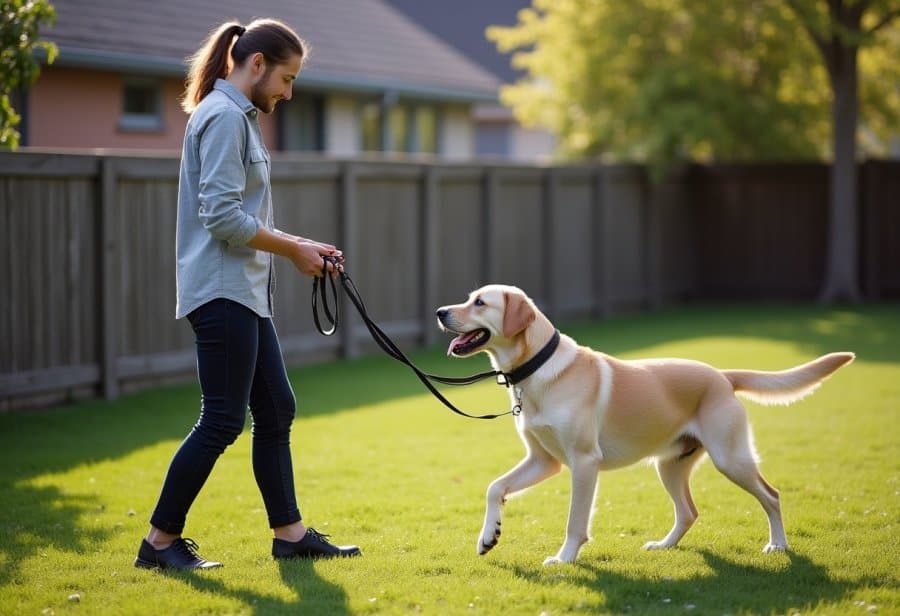
Applying your calm dog walking techniques in real-world scenarios is all about starting small and gradually increasing the challenge. Begin in familiar, low-distraction environments like your yard or a quiet neighborhood street. These calmer settings help your dog focus on your cues and build confidence in their new habits. Consistently use the same commands, like “heel,” and reward your dog immediately when they walk beside you without pulling. This consistency reinforces what’s expected and encourages good behavior.
As your dog gets more reliable in quiet areas, slowly introduce more stimulating environments such as parks or busy sidewalks. Keep the leash loose and stay relaxed yourself. When your dog pulls or gets distracted, pause until they refocus on you, then reward their attention. This teaches that calm, focused walking leads to moving forward, while pulling or ignoring cues results in a pause. Patience and repetition are key to making this behavior stick.
Short, frequent training sessions are more effective than long, sporadic walks. These quick bursts of focused practice help your dog learn faster and prevent frustration. Celebrate small wins—like a few seconds of walking without pulling—to boost your dog’s confidence and motivation. Over time, increase the difficulty gradually, adding distractions and new stimuli at a comfortable pace.
Incorporate training into daily routines by using leash walks as opportunities to reinforce commands like “sit” or “stay” at intersections or before crossing streets. These small moments build good habits and deepen your bond. Remember, consistency and positive reinforcement turn these routines into reliable practices.
Be adaptable if your dog struggles with certain environments or stimuli. Reduce complexity temporarily and reward calm, confident responses. Over time, as your dog becomes more comfortable, reintroduce challenges gradually. Patience and persistence turn everyday walks into peaceful, shared experiences that strengthen your relationship and trust.
Investing in Peace: Cost Considerations for Training Supplies and Classes
Training a dog to walk calmly often involves some financial investment, but it’s worth considering the long-term benefits of a well-behaved pet. Basic equipment like a quality harness or head collar can range from $20 to $50. These tools help you maintain better control and make training more comfortable for your dog, especially during those crucial early stages. Treats are another ongoing expense; high-quality training treats typically cost between $10 and $30 per month, and they play a vital role in positive reinforcement, keeping your dog motivated and engaged.
If you choose to enroll in training classes or hire a professional trainer, prices vary widely. Group classes generally fall between $100 and $300 for a series of sessions, providing affordable guidance and socialization opportunities. Private lessons tend to cost more but offer tailored support to address specific behavioral issues or training goals. Additionally, many owners invest in training aids such as clickers, specialized leashes, or distraction-proof harnesses, which usually range from $10 to $50. These tools can accelerate progress and help reinforce good habits outside of formal training sessions.
Ongoing supplies like treats, training accessories, and occasional professional guidance can add up, but they are an investment in your dog’s happiness and your relationship. Choosing quality equipment and consistent training resources creates a positive environment that encourages calm, respectful leash manners. Over time, this investment pays off by making daily walks more enjoyable, safe, and stress-free for both of you.
Remember, the costs associated with training are often offset by the benefits of a better-behaved, more confident dog. The effort and money you put into proper tools and guidance foster trust and understanding, transforming walks from routines into bonding moments. Ultimately, these expenses contribute to a harmonious partnership built on mutual respect, patience, and love—making every shared step more rewarding.
Step-by-Step Success: Creating a Routine for Calm, Controlled Walks
To incorporate calm leash training into your daily routine, consistency and routine are essential. Set specific times for walks so your dog learns to anticipate and settle into a calm mindset beforehand. Use familiar cues like “heel” or “let’s go,” and have treats or praise ready to reward good behavior immediately. Short, focused sessions are more effective than lengthy, sporadic efforts, especially during the initial learning phase. As your dog becomes more confident, gradually extend the walk duration and introduce mild distractions, always rewarding calm responses.
Start in quiet environments—your yard or a calm neighborhood street—to help your dog focus and build trust in their new habits. When they walk beside you without pulling, reward generously to reinforce the behavior. If your dog pulls or gets distracted, pause until they refocus. This teaches that calm, attentive walking leads to progress, while pulling results in a pause. Repeat this process consistently to help your dog understand what’s expected.
Incorporate training into everyday routines by using leash walks to reinforce commands like “sit” or “stay” at intersections or before crossing streets. These small, regular moments strengthen good habits and deepen your connection. Keep training sessions brief but frequent—this helps your dog learn faster and stay motivated. As focus and calmness improve, slowly introduce more distractions, always rewarding steady behavior.
Be patient and flexible. If your dog struggles with a particular environment or stimulus, temporarily reduce complexity and reward their confidence. Over time, reintroduce challenges gradually, maintaining positive reinforcement. Remember, setbacks are normal; what matters is steady persistence and a calm, consistent approach. With time, these routines will become second nature, transforming walks into peaceful, shared experiences.
Make each walk a chance to strengthen your bond and reinforce good manners. Celebrate small victories, like a few seconds of walking without pulling, with praise and treats. Use treats strategically—initially generous, then tapered as your dog masters the routine—to keep motivation high. This positive reinforcement builds trust and encourages your dog to stay calm and attentive.
Don’t hesitate to seek outside support if needed. Watching a professional trainer or joining a beginner class can provide fresh insights and motivation. Tailoring your approach based on your dog’s personality and progress ensures lasting results. With patience and dedication, calm leash walking will become a natural, rewarding part of your daily life, turning ordinary outings into moments of mutual trust and tranquility.
Overcoming Obstacles: Navigating Challenges and Risks in Leash Training
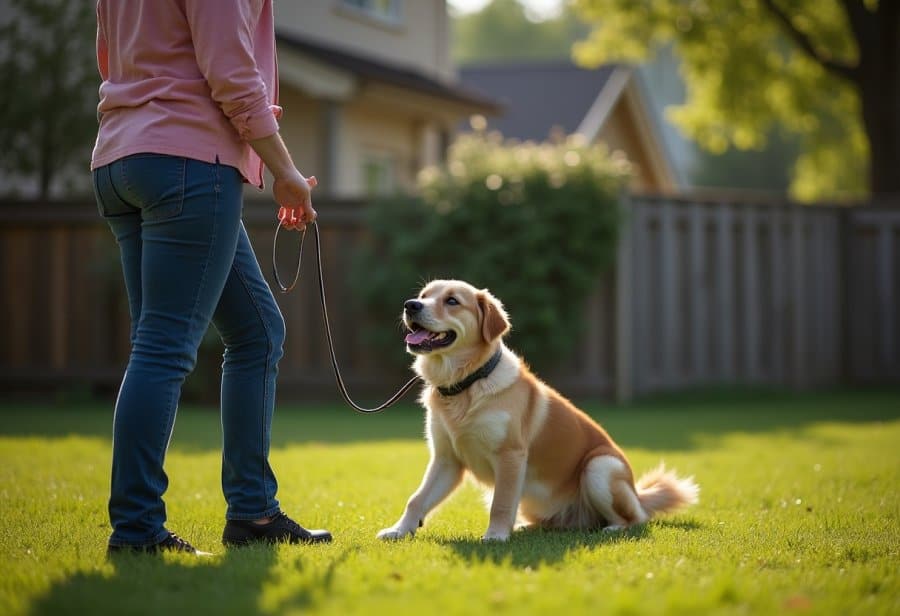
One of the biggest hurdles in achieving calm, controlled walks is managing distractions like squirrels, other dogs, or loud noises. These triggers can cause your dog to pull, lunge, or become overly excited, turning a peaceful stroll into a stressful ordeal. To handle this, it’s best to start training in quiet environments and gradually introduce more stimuli as your dog gains confidence. Patience and a slow, step-by-step approach help prevent setbacks and keep both of you motivated.
Fear and past negative experiences can also make many dogs resistant to training or reactive during walks. If your dog feels unsafe or unsure, rushing into busy areas can worsen their anxiety. Instead, focus on building trust through gentle guidance and plenty of positive reinforcement. Reward calm behavior consistently, and avoid forcing your dog into stressful situations until they’re ready.
Inconsistent training and stubbornness can also stall progress. Dogs naturally test boundaries, so unclear commands or irregular praise can confuse them. Maintaining a steady routine, using clear cues, and rewarding good behavior reliably are essential. Remember, setbacks happen; patience and persistence are key to reinforcing good habits.
Using harsh corrections or punitive techniques risks damaging trust and increasing anxiety. Such methods may suppress undesirable behaviors temporarily but often lead to fear or mistrust. Instead, redirect behaviors gently and focus on positive reinforcement strategies that foster confidence and cooperation.
Recognizing setbacks as part of the learning process helps keep your motivation high. Dogs are individuals, and progress varies from day to day. Celebrate small wins and stay consistent in your approach. With time, these challenges become manageable, paving the way for calmer, more confident walks that strengthen your bond.
Finally, if persistent issues arise, consulting a professional trainer can provide tailored guidance. They can help you adjust your methods and address specific behavioral hurdles effectively. With patience, flexibility, and a calm, steady approach, you’ll find that even the toughest obstacles can be overcome, transforming walks into peaceful, enjoyable moments of connection.