Embarking on your first camping trip might seem daunting—filled with questions about gear, safety, and outdoor skills. Yet, could a simple shift in mindset transform this challenge into your most rewarding adventure? This guide invites families to approach camping with curiosity and patience, emphasizing that perfection isn’t necessary—just a willingness to learn and explore. From understanding the origins and evolution of camping to modern trends like glamping and eco-friendly practices, it reveals how outdoor living is accessible to everyone. With practical tips for packing smart, choosing nearby sites, and setting up camp, it helps build confidence step by step. Ultimately, each trip becomes an opportunity to reconnect with nature, develop new skills, and create memories that inspire future adventures. Are you ready to discover how a positive attitude and open heart can turn outdoor adventures into lifelong passions?
Embrace the Outdoors: Your First Camping Adventure Begins with Relaxed Curiosity
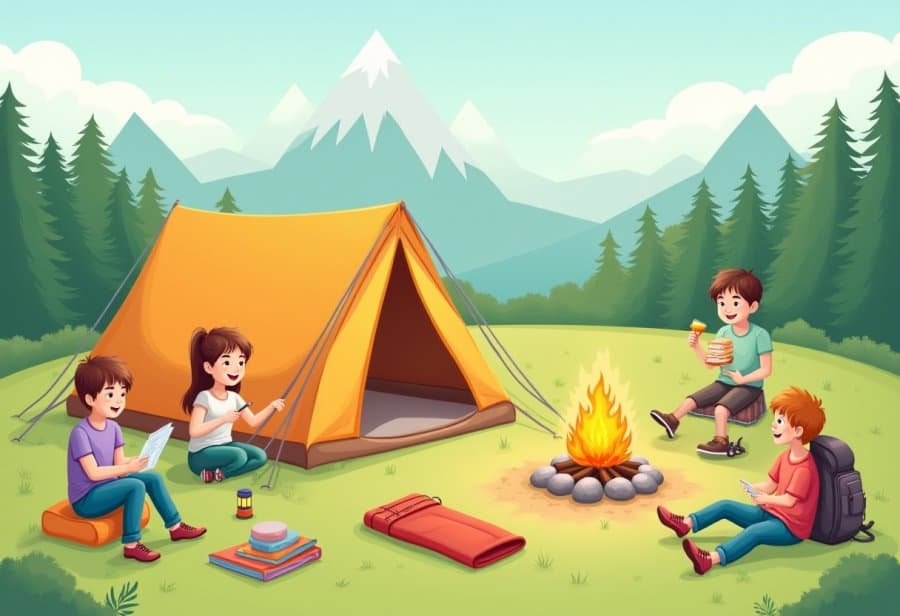
Thinking about your first camping trip might bring a mix of excitement and nerves. It’s completely normal to wonder if you’ve packed the right gear or if you’re ready for the outdoor experience. Remember, every seasoned camper started exactly where you are now—curious and eager to explore. The key is to stay relaxed and view this adventure as a learning opportunity, not a test of perfection. Keeping an open mind helps you enjoy the journey more and reduces unnecessary stress.
Getting your head around the basics can make a big difference in easing those first-trip jitters. Camping is fundamentally about disconnecting from daily routines and reconnecting with nature. Whether you’re nestled in the woods, beside a lake, or in a local park, the goal is to enjoy simple pleasures: fresh air, scenic views, and peaceful surroundings. Once you’re out there, worries about gear or logistics tend to fade into the background, replaced by the sights, sounds, and sensations of being outdoors.
Your mindset is what transforms camping from a potential hassle into a rewarding escape. Approaching it with curiosity and patience makes everything feel more manageable. It’s okay to start small—pick a nearby spot, pack only the essentials, and go at your own pace. Even experienced campers encounter surprises; the difference is how they respond. A positive attitude turns obstacles into part of the adventure, not setbacks.
As you prepare to step into the outdoors, think of it as an invitation to rediscover the joy of simplicity. Forget about perfection—focus on having fun setting up your tent, trying outdoor meals, or simply listening to nature’s symphony. The more relaxed and open you are, the more you’ll embrace the experience rather than worry over every detail. This approach sets the tone for a memorable, enjoyable trip.
Connecting with nature is easier than you might think. Showing up with a willing heart and an open mind turns initial uncertainties into stories to tell. Each small step outdoors—whether making a campfire, spotting wildlife, or sharing laughs around a firepit—builds your confidence and enthusiasm. That positive attitude is what makes outdoor adventures truly special and worth looking forward to.
Remember, camping isn’t about being perfect; it’s about creating memories and learning along the way. Every trip offers new lessons—how to set up camp faster, cook simple outdoor meals, or navigate trails confidently. These experiences help you feel more comfortable outdoors and inspire you to plan the next adventure. With each outing, you’ll gain skills and confidence that turn camping into a rewarding part of your life.
Approaching your first trip with a relaxed mindset opens the door to a world of outdoor possibilities. It’s about embracing the moment, learning from small challenges, and celebrating your progress. Whether it’s your first night under the stars or your tenth, each experience adds to your outdoor story. The outdoors welcomes you with open arms—just bring your smile, stay curious, and enjoy every step of the journey.
Tracing Camping’s Roots: From Survival to Recreational Escape
Camping has a long history that stretches back centuries, starting as a practical way for explorers, hunters, and nomadic tribes to rest and survive outdoors. Early humans relied on simple shelters and basic tools to adapt to their environment, making outdoor living a necessity rather than leisure. Over time, as societies developed, camping evolved from a survival skill into a recreational activity, especially during the 19th century when organized camping clubs and national parks emerged. These developments made outdoor experiences more accessible and fostered a sense of community among outdoor enthusiasts.
Today, camping usually involves setting up a temporary shelter like a tent in nature. The core gear includes essentials such as sleeping bags, portable stoves, and basic tools. Despite technological advances, the fundamental routine remains simple: pitch your tent, prepare meals outside, and enjoy the natural surroundings. This simplicity keeps camping approachable, emphasizing connection with nature over complexity.
Gear has seen significant improvements over the decades. Early campers relied on heavy, canvas tents and minimal equipment, which could be cumbersome to carry and less weather-resistant. Modern gear is lightweight, durable, and designed for quick setup. Tents now resist rain and wind, while sleeping bags are tailored for specific climates. Portable stoves, solar lights, and multi-purpose tools make outdoor living more comfortable and manageable, encouraging more people to try camping.
The essentials for any trip remain consistent: proper preparation, reliable equipment, and flexibility. Packing the right items—like water, weather-appropriate clothing, safety gear, and navigation tools—sets a solid foundation. Knowing how to use your gear, from pitching a tent to cooking outdoors, makes a real difference. Safety items, such as first aid kits, are especially important if you venture beyond familiar areas. Being prepared helps keep the experience smooth and enjoyable.
Historically, innovations like lightweight tents and organized camping organizations shaped modern practices. These advances made outdoor living easier and more inclusive. Environmental awareness campaigns promoted responsible camping, emphasizing Leave No Trace principles to protect natural spaces. These efforts helped create a culture of responsible outdoor recreation that welcomes everyone, from beginners to seasoned campers.
Understanding the basics of camping—what gear to bring, how to set up, and how to stay safe—removes much of the uncertainty. Once you’re familiar with these fundamentals, outdoor living becomes less intimidating and more inviting. It’s about enjoying the experience, learning as you go, and embracing the simplicity of nature. With a little knowledge and confidence, your camping journey can be both fun and rewarding.
Modern Camping Trends: Blending Comfort, Sustainability, and Digital Inspiration
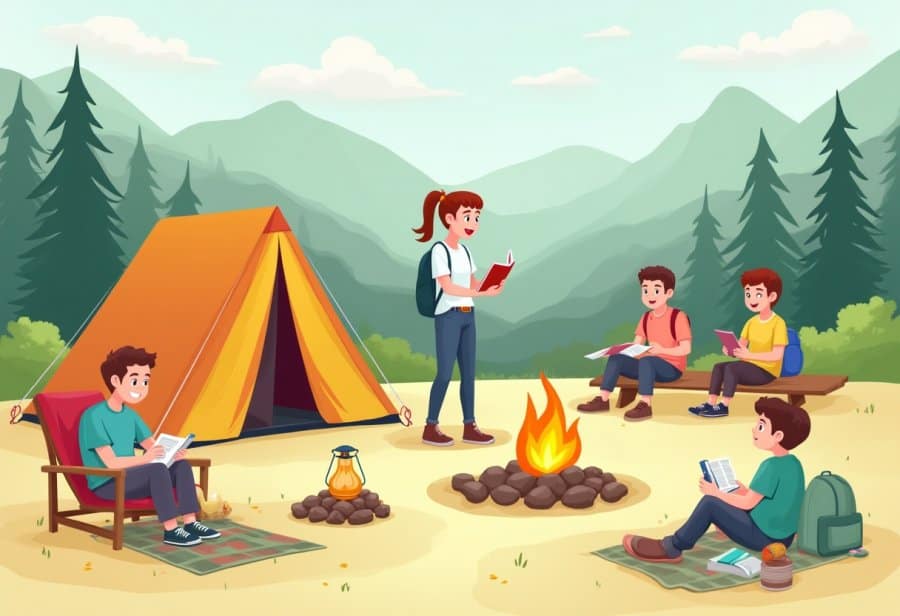
In recent years, outdoor camping has experienced a significant surge in popularity, driven by people’s desire to disconnect from screens and reconnect with nature. More than just a pastime, camping has become a pathway to improving mental well-being and physical health, making it appealing to a broader audience. This shift has brought together traditional camping methods and modern innovations, creating a diverse landscape of outdoor experiences suited for everyone.
One of the standout trends is “glamping,” which blends outdoor adventure with comfort. Think cozy, well-equipped tents with proper beds, lighting, and heating—offering a hassle-free way to enjoy nature without sacrificing convenience. This style attracts those who might hesitate to rough it but still want the outdoor experience. Alongside this, there’s a strong focus on sustainable camping practices. More campers are opting for eco-friendly gear and adhering to Leave No Trace principles, helping to preserve the natural spaces we all enjoy.
Social media has played a big role in shaping today’s camping culture. Influencers and outdoor enthusiasts share breathtaking photos, helpful tips, and creative outdoor ideas that inspire many to try camping for the first time or explore new destinations. These stories help break down barriers, making outdoor life seem more accessible and exciting. As a result, families, solo travelers, and groups of friends are heading into the outdoors with fresh enthusiasm and new perspectives.
Modern camping balances tradition with innovation. While many still enjoy classic tents and campfire cooking, gear has become lighter, more durable, and easier to set up. Portable stoves, solar-powered lights, and multi-purpose tools have made outdoor living more comfortable and less complicated. This evolution means camping is no longer just for seasoned adventurers; it’s inviting beginners and casual explorers alike to embrace outdoor living.
Debates around gear and ethics reflect the diversity of current perspectives. Some prefer minimalist setups for ease and mobility, while others seek added comfort. Eco-conscious campers emphasize sustainability and responsible practices, highlighting the importance of protecting nature. Safety discussions include traditional navigation methods and modern GPS devices, illustrating how personal preferences shape outdoor experiences and choices.
In media and pop culture, camping is often depicted as an adventurous, nostalgic, or humorous activity—whether battling rain, sharing stories around a campfire, or discovering wildlife. These portrayals, amplified by stunning landscapes on social platforms, make camping look both inspiring and approachable. They encourage many to step outside their comfort zones and experience the outdoors firsthand, ensuring that camping remains a lively, evolving activity that continues to attract new generations of outdoor lovers.
Start Strong: Practical Steps to Launch Your Camping Journey
Starting your camping adventure is all about keeping things simple and manageable. Choosing a nearby, well-equipped spot like a local park or campground helps reduce the stress of logistics and lets you focus on enjoying the experience. Pack only the essentials—think tent, sleeping bag, water, snacks, and weather-appropriate clothing—to avoid overburdening yourself. A straightforward packing list keeps setup quick and makes it easier to move around once you’re there.
Before heading out, take a few minutes to research the area. Checking the weather forecast helps you pack appropriately, while understanding any campsite rules or facilities ensures you’re prepared for the environment. Planning ahead minimizes surprises and allows you to relax once you arrive. The goal is to keep things simple so your first trip feels more like an adventure than a chore.
When you arrive, take your time setting up your tent. Even if it feels unfamiliar at first, following clear instructions and working patiently makes the process smoother. Involving everyone in pitching the tent can turn setup into a fun team activity. Once your shelter is ready, explore the surroundings—find water sources, check the location of restrooms, and identify a good spot for a campfire or outdoor cooking if permitted.
Remember, your first camping trip isn’t about perfection; it’s about having fun and learning as you go. If something doesn’t go exactly as planned, see it as part of the experience—every mistake is a chance to learn and improve. Stay flexible and keep a positive attitude, turning small setbacks into stories worth sharing. Focusing on the joy of the moment helps you connect with nature and enjoy outdoor living at its best.
Packing smart makes all the difference. Use a checklist to ensure you bring key items like a first aid kit, flashlight, and cooking supplies. Double-check your gear before leaving home so nothing important gets left behind. This preparation streamlines your trip, letting you spend more time enjoying your surroundings and less time worrying about missing items. The simpler your packing, the more relaxed your experience will be, setting a strong foundation for future outdoor adventures.
Looking Ahead: Growing Confidence and Exploring New Horizons in Camping
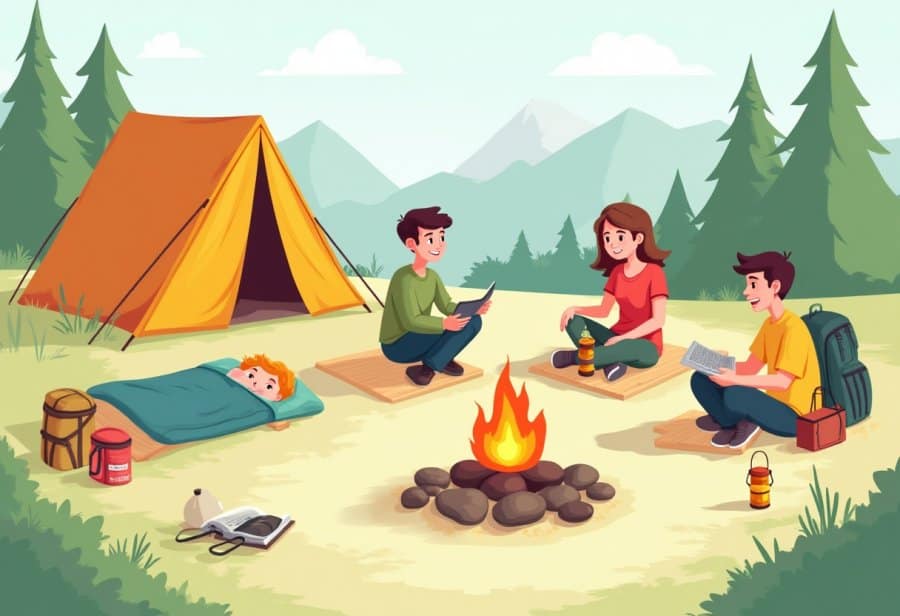
Starting your first camping trip marks just the beginning of a rewarding journey into the outdoors. Each adventure helps you develop new skills, build confidence, and create memories that inspire future explorations. The more you experience, the more natural outdoor living will feel—turning what once seemed intimidating into an inviting and familiar part of your life. Every trip offers lessons, whether it’s mastering a campfire, cooking outdoors, or navigating a trail, each one adding to your outdoor story.
As your confidence grows, outdoor adventures become less about checking boxes and more about embracing the process. Wildlife sightings, stargazing, or discovering a hidden trail can deepen your connection with nature and remind you why you started. Over time, you’ll find routines and preferences that make camping more personal and enjoyable. Whether you prefer a quick overnight escape or longer backcountry trips, each experience enriches your understanding and appreciation of the outdoors.
Pursuing new destinations and trying different activities keeps camping fresh and exciting. Small trips close to home can refresh your mind, while longer expeditions challenge you and expand your horizon. Staying curious and open-minded unlocks countless possibilities—fishing, kayaking, exploring scenic routes, or simply soaking in breathtaking views. Every outing is an opportunity to learn, grow, and strengthen your bond with nature, making outdoor living an ongoing source of joy and discovery.
Developing responsible camping habits ensures these natural spaces remain vibrant and accessible for generations to come. Respect for the environment—by leaving no trace, minimizing impact, and protecting wildlife—becomes second nature. As you become more experienced, your role as a steward of nature deepens, adding meaning to each adventure. Sharing your passion with others, joining local outdoor groups, or mentoring newcomers spreads the love for outdoor life and reinforces a community committed to preservation.
Looking ahead, the possibilities are endless. From peaceful lakesides to rugged mountain trails, each new destination offers something unique. With every trip, you’ll discover more about yourself and the natural world, fueling your passion for outdoor living. The journey isn’t just about the destinations but about the ongoing experiences that shape your outdoor story. With patience, curiosity, and a positive attitude, outdoor adventures will continue to inspire and enrich your life—one trip at a time.