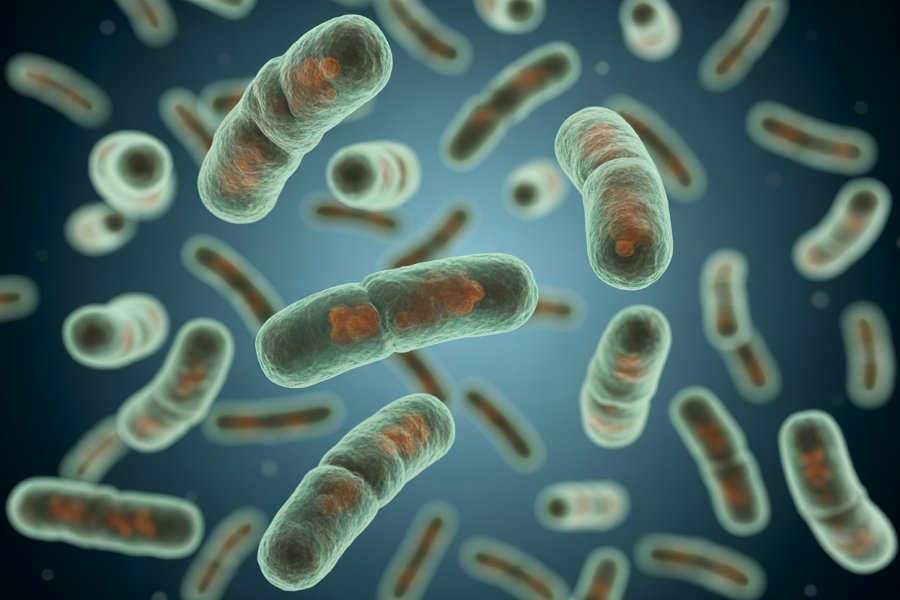
Nylon, a ubiquitous synthetic fiber found in our clothes, carpets, and outdoor gear, offers unmatched strength and affordability but harbors significant environmental costs. Its production relies heavily on petrochemical processes derived from fossil fuels, involving energy-intensive reactions that release greenhouse gases and toxic pollutants. This dependency perpetuates resource depletion and environmental degradation. Moreover, nylon’s durability means it persists in landfills for centuries, gradually breaking down into microplastic fibers that pollute water systems and pose threats to marine life and human health. Chemical residues from manufacturing further contaminate ecosystems, while recycling and biodegradation efforts lag behind the growing demand. Recognizing nylon’s complex lifecycle underscores the urgent need for sustainable alternatives and innovative recycling methods. Understanding these hidden impacts empowers consumers and industries alike to make more responsible choices, paving the way toward a more environmentally conscious future where convenience no longer sacrifices the health of our planet.

Unraveling Nylon: Its Ubiquity and Hidden Environmental Toll
Nylon is everywhere—found in our clothes, carpets, outdoor gear, and countless other everyday products. Its popularity stems from its strength, elasticity, and affordability, making it a go-to material across industries. Yet, despite its widespread use and convenience, few consider what goes into its production or the environmental costs attached to this synthetic fiber. As demand for nylon continues to grow, understanding its story becomes increasingly important—not just for consumers but for anyone concerned about sustainability and the health of our planet.
Unlike natural fibers such as cotton or wool, nylon is entirely man-made, created through complex chemical processes that start with fossil fuels. Its production involves transforming chemicals derived from oil and natural gas—like benzene and adipic acid—into long, resilient fibers through a process called polymerization. This process is energy-intensive and relies on catalysts and solvents, some of which can be harmful if not managed properly. Because these chemicals come from finite resources, nylon’s manufacture is intrinsically linked to our ongoing dependence on fossil fuels, raising questions about its long-term environmental footprint.
The environmental impact of nylon doesn’t end at the factory. Its durability and resistance to natural breakdown mean that nylon products—such as clothing, carpets, and fishing gear—can linger in landfills for hundreds of years. Over time, these items slowly degrade into tiny microplastic fibers that are released into water systems during washing or breakdown. Marine life often mistakes these microfibers for food, which can cause physical harm and disrupt reproductive cycles. This pollution accumulates over time, affecting ecosystems and entering the human food chain through seafood, highlighting how a material designed for longevity can become a persistent environmental hazard.
Furthermore, chemical residues from nylon’s lifecycle exacerbate its environmental footprint. Waste streams from manufacturing often contain hazardous substances like residual solvents, dyes, and unreacted chemicals. When discarded or improperly managed, these substances leach into soil and water, contaminating ecosystems for decades. Nylon’s resistance to natural decomposition means that both the plastic itself and associated chemicals tend to build up in landfills and natural habitats, creating long-lasting pollution that challenges waste management systems worldwide. This ongoing cycle of resource depletion, pollution, and waste underscores the urgent need for sustainable alternatives and more effective recycling solutions.
Addressing these challenges requires a shift in how we think about textiles and material use. Innovations in biodegradable natural fibers and bio-based plastics, along with advances in recycling technology, can help reduce nylon’s environmental toll. Moving toward a circular lifecycle—where materials are reused and recycled rather than discarded—offers a promising path forward. Recognizing the full impact of nylon from production to disposal can inspire more responsible choices and foster a more sustainable approach to the materials that shape our daily lives.
From Fossil Fuels to Fabric: The Chemical Roots of Nylon Production
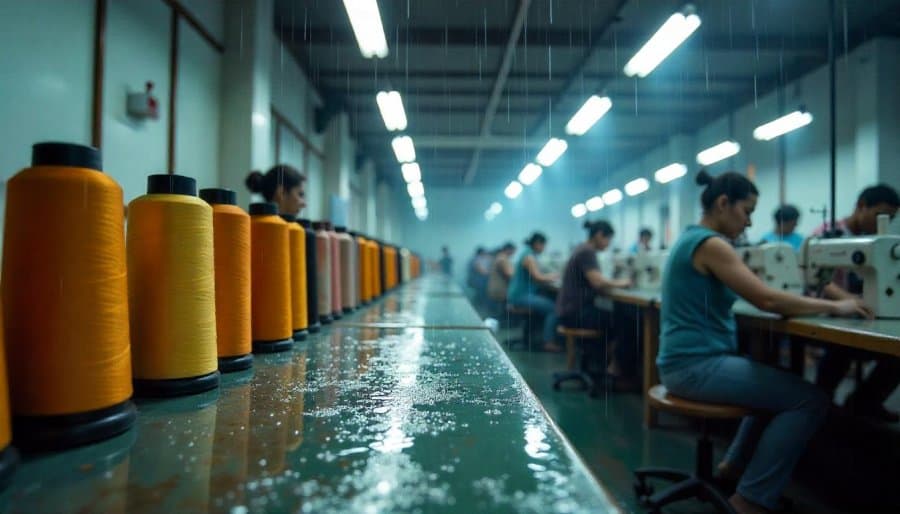
Nylon’s production starts deep within the chemical industry, relying heavily on processes derived from fossil fuels like oil and natural gas. The journey from raw material to synthetic fiber involves several complex steps, beginning with the extraction and refining of petrochemicals such as benzene and adipic acid. These chemicals serve as the fundamental building blocks for nylon and undergo transformation through a process called polymerization, where small molecules are chemically linked into long, resilient chains. This process is crucial because it creates the durable fibers that have become integral to countless products in our everyday lives.
The reliance on petrochemical processes means that nylon production is a significant source of pollution and resource depletion. Extracting and refining fossil fuels releases greenhouse gases like carbon dioxide, along with toxic pollutants that can contaminate air, water, and soil. The chemicals used in manufacturing—such as benzene and adipic acid—are hazardous, and inadequate waste management can lead to these substances seeping into ecosystems, harming wildlife and human health alike. These pollutants often persist in the environment, contributing to long-term contamination and health risks.
The core of nylon’s manufacturing—polymerization—is an energy-intensive process requiring high temperatures, catalysts, and solvents. Many of these substances can generate toxic waste if not carefully controlled. Byproducts like volatile organic compounds (VOCs) and residual chemicals can be released into the atmosphere, further polluting the air and exacerbating climate change. Since the chemicals involved are derived from non-renewable resources, nylon’s dependence on finite fossil fuels perpetuates a cycle of environmental impact that extends beyond the factory walls.
This chemical foundation highlights the challenge of balancing industrial demand with sustainability. As nylon’s popularity continues to grow worldwide, so does its environmental footprint, largely driven by continued reliance on petrochemicals. Moving toward bio-based alternatives or improved recycling methods offers potential pathways to reduce this dependency. Recognizing the chemical and industrial roots of nylon underscores the urgent need for innovation and greener practices within the textile industry, aiming to lessen its environmental toll while meeting global demand.
Ultimately, understanding nylon’s origins reveals how deeply interconnected it is with fossil fuel extraction and chemical processing. Its production consumes vast amounts of energy and introduces hazardous substances into the environment. Transitioning to more sustainable practices—such as bio-based plastics and advanced recycling—can help mitigate these impacts. Addressing the chemical and industrial roots of nylon is essential if we aim to create a future where our reliance on synthetic fibers no longer comes at the expense of the planet.
The Lingering Impact: Environmental Consequences of Nylon Lifecycle
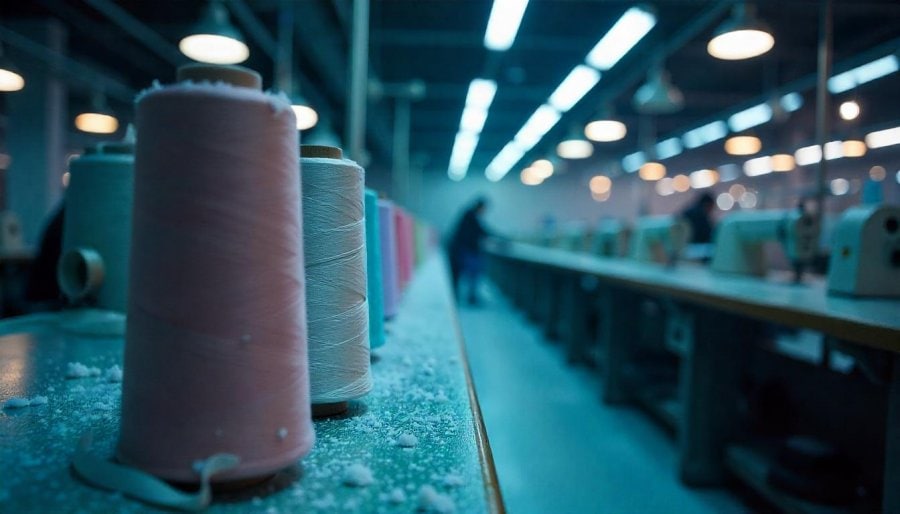
Nylon’s environmental footprint extends well beyond its initial production, affecting ecosystems and communities long after the fibers leave the factory. Its durability and resistance to natural decomposition mean that nylon products—such as clothing, carpets, and fishing gear—can persist in landfills for hundreds of years. As these items gradually break down, they release tiny microplastic fibers into water systems during washing or degradation. These microfibers are nearly invisible but pose significant threats to marine life, which ingest them mistakingly for food, disrupting their health and reproductive cycles.
The release of microplastics from nylon textiles during laundry is a particularly pressing concern. Because these fibers are so small, water treatment systems often struggle to filter them out. Once in aquatic environments, they are consumed by a range of marine species—from plankton to fish—causing physical harm, chemical contamination, and reproductive issues. This contamination propagates up the food chain, ultimately reaching humans through seafood, which underscores the long-term consequences of nylon’s durability. The pollution not only devastates marine ecosystems but also poses health risks to communities relying on fishing and seafood for sustenance.
Chemical residues from nylon’s lifecycle amplify its environmental impact. Waste streams from manufacturing often contain hazardous substances like residual solvents, dyes, and unreacted chemicals. When products are discarded or mishandled, these substances can leach into soil and water, contaminating ecosystems for decades. Because nylon is resistant to natural breakdown, both the plastic itself and associated chemicals tend to accumulate in landfills and natural habitats, creating persistent pollution. This accumulation challenges waste management systems and demands innovative solutions to curb ongoing environmental harm.
The resilience of nylon means that waste remains in the environment long after disposal, continuously releasing microfibers and chemical residues. Over time, this debris contaminates soils and waterways, threatening wildlife and human health alike. Many current waste management practices are ill-equipped to handle the volume and persistence of synthetic fiber waste, resulting in decades-long accumulation. Addressing this issue requires not only improved recycling technologies but also a shift toward sustainable material choices, such as biodegradable fibers and bio-based plastics, to break the cycle of pollution and resource depletion.
Reducing nylon’s environmental impact hinges on rethinking how we design, produce, and dispose of textiles. Advancements in recycling processes, along with a move toward circular material use, can significantly lessen its footprint. Developing sustainable alternatives and promoting responsible consumption are crucial steps to mitigate the long-lasting damage caused by nylon. Recognizing the full lifecycle consequences of this synthetic fiber highlights the need for innovation and collective effort to build a more sustainable future—one where convenience no longer comes at the expense of our planet.