Few moments evoke pure joy quite like a dog on an outdoor walk—tail wagging, nose sniffing, eyes sparkling with curiosity. These simple routines are more than physical activity; they are vital for a dog’s mental well-being, reconnecting them with primal instincts and stimulating their senses. But what makes these shared adventures so profoundly meaningful for both pets and owners? As we explore parks or trails, we witness not only a dog’s happiness but also the deepening of trust and companionship. Yet, urban challenges like noise and traffic can threaten these precious moments, prompting us to adapt and enrich the experience. From incorporating playful interactions to choosing thoughtful routes, every detail enhances the bond and joy of outdoor exploration. Could these small, everyday acts of walking truly nourish the soul and strengthen the human-animal connection? The answer lies in the simple pleasure of walking together and embracing nature’s gifts.
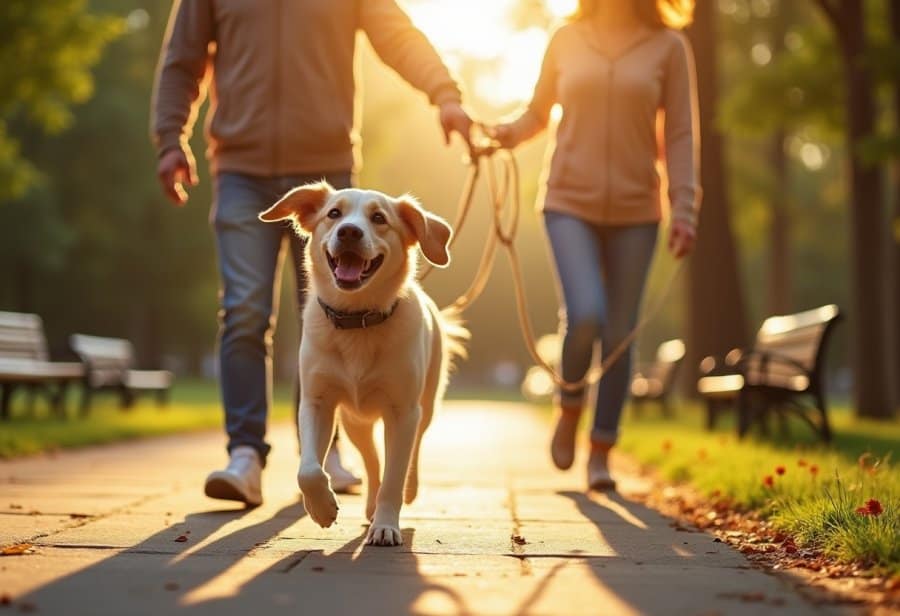
Experience Pure Joy on Outdoor Walks with Your Dog
Few moments in life feel as genuine and uplifting as watching a dog on an outdoor walk. There’s an unmistakable energy in a furry friend’s step—tail wagging, nose to the ground, eyes bright with curiosity—that captures the very essence of happiness. These outings aren’t just about moving from one place to another; they’re shared experiences that bring both dogs and their owners into a world of simple pleasures.
For dogs, exploring the outdoors taps into their natural instincts, providing a daily dose of excitement that can’t be matched indoors. Every sniff, every bounce, feels like a small adventure, awakening their senses and engaging their minds. Owners often find themselves smiling at the unfiltered joy radiating from their pets, reminded of why these routines are so meaningful.
These walks are more than just physical activity; they’re moments of connection. When dogs are relaxed and fully immersed in their environment, it deepens the bond between pet and owner. Whether it’s a familiar trail or a new path, each outing offers a chance to slow down, breathe in fresh air, and share a quiet moment of happiness.
Sunshine, fresh air, and the sounds of nature turn routine walks into sensory adventures. Dogs’ noses become busy with scents from other animals, plants, and passing people, each telling a story. Bright sunlight filters through leaves, warming their fur and creating playful patterns on the ground. Watching a dog eagerly investigate their surroundings is a clear sign of their happiness and mental well-being.
Outdoor walks also reconnect dogs with their primal drives—tracking scents, exploring terrain, and marking territory. These behaviors, inherited from their wolf ancestors, are essential for their sense of fulfillment. When dogs engage in these natural activities, they experience a deep sense of satisfaction that enhances their overall happiness.
Beyond the physical benefits, outdoor walks serve as a form of natural therapy for dogs. They help reduce boredom, prevent destructive behaviors, and promote emotional stability. These moments of discovery and curiosity nurture a sense of trust and confidence, making each walk a shared journey of trust and love.
In essence, a simple walk outside becomes a celebration of life for dogs and owners alike. It’s a daily reminder that the purest joys come from engaging with nature—sniffing new scents, feeling the breeze, and sharing quiet companionship. These moments of outdoor happiness strengthen bonds and create lasting memories rooted in the simple, genuine pleasure of walking together.
Uncover the Biological and Psychological Roots of Canine Happiness
A dog’s happiness during outdoor walks goes beyond just enjoying fresh air and exercise; it is deeply rooted in their biology and psychology. When dogs explore new environments, their brains are flooded with a vibrant array of sensory input—scents, sights, and sounds—that stimulate mental activity and elevate their emotional well-being. This engagement keeps their minds sharp and creates a sense of fulfillment that’s hard to replicate indoors. It’s no wonder they become so lively and curious when given the chance to sniff around, as these behaviors are ingrained in their very wiring.
Inheriting instincts from their wild ancestors, like wolves, dogs find joy in tracking scents, investigating new terrain, and marking their territory. These innate behaviors are more than routine habits—they’re vital for their happiness, connecting them to a primal part of their nature. Outdoor exploration allows dogs to reconnect with these ancestral drives, providing a natural source of satisfaction and joy. This biological wiring makes the act of exploring inherently rewarding, reinforcing their instinctual needs and boosting their overall mood.
Physical activity during walks also triggers the release of endorphins—those feel-good chemicals that flood a dog’s brain when they run, jump, or move with enthusiasm. These hormones help reduce stress, elevate their mood, and generate a lasting sense of contentment. This biochemical response highlights how outdoor activity isn’t just about physical health; it plays a crucial role in maintaining mental well-being. The more dogs move and explore, the more their brains reward them with feelings of happiness and resilience.
The sensory overload dogs experience on a walk—through their noses, eyes, and ears—is essential for emotional health. Their noses pick up countless scents, each telling a story about other animals, plants, or humans nearby. Sight stimulates neural responses as they observe changing scenery, shadows, and distant objects, while sounds like birds chirping or leaves rustling add to this sensory richness. This mental stimulation keeps their minds alert and happy, reducing boredom and destructive behaviors that often stem from under-stimulation at home.
Engaging these senses and instincts during walks also fosters trust and strengthens the bond between dogs and their owners. As dogs learn to rely on cues and guidance from their humans, their confidence grows. Positive reinforcement—praise, treats, or gentle encouragement—cements feelings of safety and love. These shared explorations are more than exercise; they serve as a foundation for emotional connection, building trust and mutual understanding that last well beyond the walk.
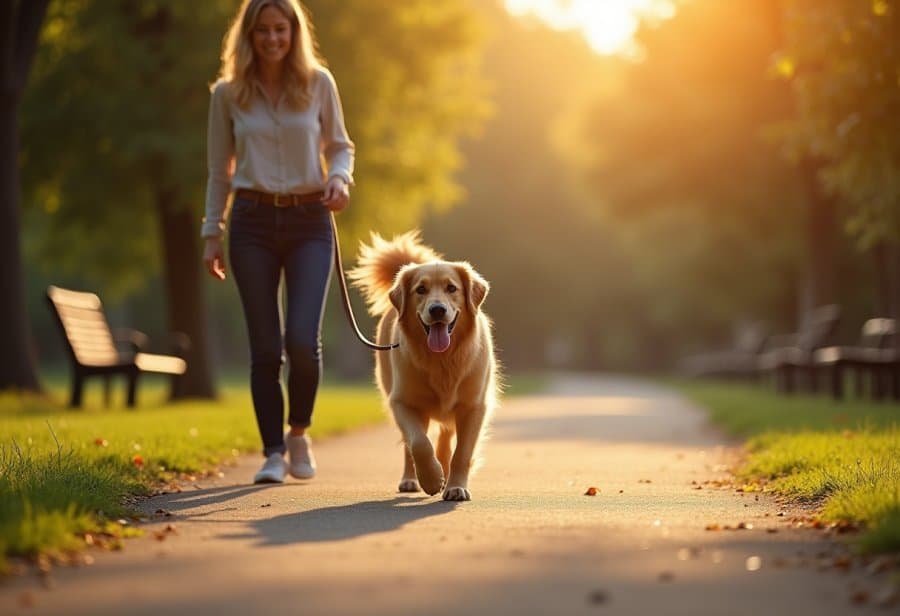
The Evolution of Dog Walking: Society’s Changing Attitudes and Practices
Outdoor walks have become a cornerstone of modern dog care, reflecting a shift in how society values both physical health and mental well-being for pets. No longer seen as simple routines, these outings are now recognized as essential opportunities for dogs to engage their senses, explore new environments, and satisfy innate instincts. Many owners seek out parks, nature trails, and urban green spaces that offer variety and stimulation, transforming daily walks into meaningful adventures. This evolving perspective underscores the importance of outdoor time not just for exercise but for emotional enrichment.
The growth of dog-friendly spaces has played a significant role in shaping current attitudes. Today’s parks often feature open fields, agility zones, and water stations designed specifically for canine enjoyment. These environments turn routine walks into social and playful experiences that help dogs develop confidence and social skills. Dog walking groups and community events further encourage owners to connect, making outdoor outings a shared activity that fosters a sense of community and collective responsibility for pet well-being.
However, urban life still presents hurdles. Heavy traffic, loud noises, and crowded streets can cause stress or discomfort, limiting a dog’s ability to explore freely. Restrictions like leash laws or busy sidewalks sometimes prevent dogs from fully engaging with their surroundings. Weather conditions, too, influence outdoor routines—extreme heat, cold, or rain can make certain times less suitable for walks. Recognizing these challenges helps owners adapt their routines, ensuring outdoor time remains a safe and positive experience for their pets.
Today’s societal view emphasizes outdoor walks as vital for mental stimulation and emotional health. Owners are more intentional in route selection, incorporating play and positive reinforcement to make each outing rewarding. Shaping the experience around a dog’s individual needs and preferences encourages curiosity and trust, transforming walks from mere exercise into opportunities for learning and bonding. This mindset fosters a deeper appreciation of how outdoor exploration benefits both pets and owners.
Environmental factors also influence the quality of outdoor walks. Quiet parks with natural scents and diverse terrain stimulate a dog’s senses more effectively than busy urban streets. Age, health, and socialization levels influence how dogs approach outdoor time, prompting owners to tailor routines accordingly. Whether it’s choosing shaded paths or early mornings, thoughtful planning ensures each walk supports a dog’s comfort, safety, and curiosity, making outdoor time a consistently enriching part of their lives.
Despite the many benefits, urban congestion and unpredictable weather can pose obstacles. Smart planning—such as selecting less crowded routes, avoiding peak heat hours, or opting for shaded trails—helps maintain the joy of outdoor walks. When owners adapt thoughtfully, they preserve the positive impact of these routines, ensuring dogs can explore and enjoy their environment safely. These adjustments reaffirm that outdoor walks are more than a necessity—they’re a meaningful way to nurture happiness and trust.
In essence, the landscape of dog walks today reflects a broader understanding of their importance. It’s about creating routines that foster trust, curiosity, and joy, even within city life’s constraints. Recognizing the value of outdoor exploration encourages owners to view these moments as vital for emotional health and bond-building. When approached with care and intention, each walk becomes a simple yet powerful act of connection—one that nourishes both dog and owner, enriching everyday life with the pure pleasure of shared discovery.
Tips and Strategies to Maximize Joy and Bond During Outdoor Adventures
Maximizing the joy and bond during dog walks often starts with small but intentional tweaks that turn routine outings into memorable adventures. Changing your route occasionally—whether exploring a new street, park, or nature trail—keeps your dog mentally stimulated and prevents the walk from feeling repetitive. Fresh scents, sights, and sounds transform an ordinary walk into an exciting exploration, helping your pup stay curious and engaged. Even minor adjustments, like visiting a nearby green space instead of your usual path, can make a noticeable difference in their enthusiasm and overall happiness.
Incorporating play into your walks is a simple yet effective way to deepen the experience. Bringing along a favorite ball or tug toy creates moments of fetch or gentle tug-of-war that tire them out and strengthen your bond. These playful interactions make walks more than just exercise—they become shared fun that your dog eagerly anticipates. Pay attention to their cues and find the right balance, ensuring play remains stimulating without becoming overwhelming or frustrating.
Positive reinforcement during walks builds trust and encourages good behavior. Praising your dog when they follow commands, explore calmly, or show curiosity makes them feel safe and appreciated. Treats or gentle praise reinforce that outdoor adventures are positive experiences, boosting their confidence. Clear cues like “sit,” “come,” or “leave it” help keep the walk controlled and enjoyable for both of you, turning routine outings into opportunities for learning and connection.
Choosing the right gear can significantly enhance comfort and control. A well-fitting harness and sturdy leash give you better command while keeping your dog secure, especially when they’re excited or pulling. Carry essentials such as water, waste bags, and a portable bowl to keep your pup hydrated and happy, no matter the weather or walk length. Proper equipment minimizes stress and ensures that every outdoor outing is pleasant and safe, allowing your dog to relax and enjoy the exploration.
Being present and attentive to your dog’s body language and interests transforms a walk into a calming, bonding ritual. Observe signs of excitement, tiredness, or discomfort, and adjust your pace or route accordingly. Letting your dog lead at times—sniffing, exploring, or simply taking in the surroundings—builds mutual respect and trust. Your calm, patient presence reassures them, making each walk a shared moment of peace and discovery. When you prioritize their comfort and curiosity, outdoor walks become more than exercise—they turn into nourishing experiences that strengthen your connection and deepen your dog’s happiness.
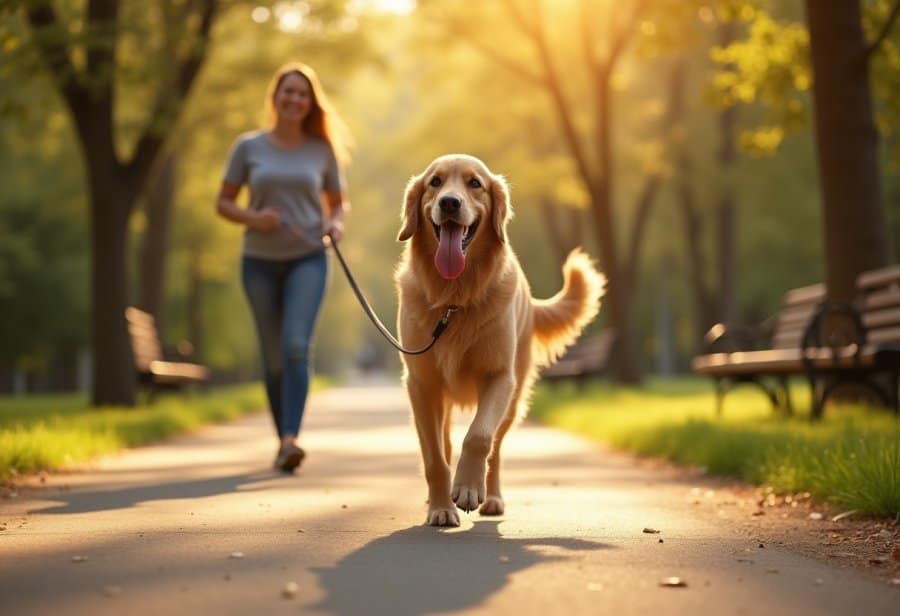
Reflecting on the Lasting Happiness and Deepened Bonds from Outdoor Walks
Outdoor walks are more than just routines for dogs and their owners—they’re moments that foster genuine joy and deepen the bond shared between them. The simple act of exploring new scents, feeling the breeze, and sharing quiet companionship creates happiness that extends well beyond the walk itself. These experiences highlight how crucial it is to engage a dog’s natural instincts—like sniffing, exploring, and marking—since they are key to their emotional well-being. Embracing this connection encourages us to see outdoor walks not only as physical exercise but also as vital opportunities for happiness and trust-building.
The biological and psychological benefits of these outings are clear. From the release of endorphins to the stimulation of their senses, dogs experience a natural uplift in mood and overall health. When they explore, they reconnect with primal drives inherited from their wolf ancestors, such as tracking scents and investigating unfamiliar environments. These behaviors, rooted in instinct, make each walk deeply rewarding, providing a sense of fulfillment that helps reduce boredom and destructive behaviors at home. The joy dogs find in outdoor exploration is a testament to their natural design and needs.
Sharing these outdoor moments also plays a vital role in building trust and emotional security. As dogs learn to rely on their owners’ cues and guidance, their confidence blossoms. Positive reinforcement—through praise, treats, or gentle encouragement—cements feelings of safety and love, transforming everyday walks into shared adventures of mutual understanding. These experiences create a partnership that’s rooted in respect and affection, making each outing a meaningful step in nurturing the relationship.
Today’s societal view increasingly recognizes outdoor walks as essential to a dog’s mental and emotional health. Communities have developed parks, nature trails, and social groups that turn routine outings into opportunities for play, socialization, and exploration. While urban environments pose challenges like traffic or noise, thoughtful planning—such as choosing shaded routes or quieter neighborhoods—helps maintain the joy of outdoor walks. This evolving perspective underscores the importance of intentional routines that prioritize a dog’s comfort and curiosity.
Ultimately, these simple outdoor moments remind us that happiness often resides in the small, everyday acts of connection. A walk in the park or a quiet trail offers a chance to slow down, breathe, and truly be present with our pets. Valuing these routines nurtures trust, joy, and love that extend far beyond the physical act of walking. When we approach outdoor exploration with care and attention, we create lasting memories rooted in the pure pleasure of shared discovery. In doing so, both dogs and owners enrich their lives with the natural, uncomplicated joy that comes from walking together.