The Ford Mustang stands as an enduring symbol of American muscle, freedom, and rebellion—yet what truly elevates this iconic car into a timeless legend? From its revolutionary debut in 1964 to the modern era, the Mustang has continually evolved, blending revolutionary design with innovative technology while staying rooted in its rebellious spirit. Its storied history—marked by powerful engines, distinctive styling, and cultural moments—reflects a relentless pursuit of performance and individuality. Today, the Mustang’s sleek silhouette and cutting-edge features appeal to a new generation, even as it honors legacy with classic design cues. But as the automotive world shifts toward electrification and sustainability, what lies ahead for this cultural icon? Ford’s ongoing innovations promise a future where performance meets progress, challenging enthusiasts to ask: can the Mustang’s daring spirit survive the march of technology? One thing is certain: its legend persists, inspiring drivers to chase their own road to independence.
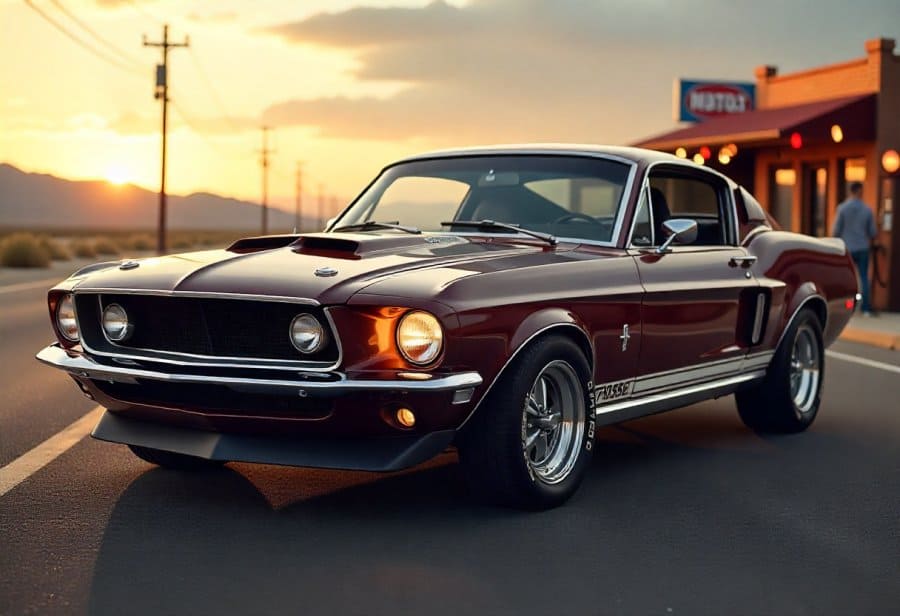
The Ford Mustang: An American Icon Woven into Culture and History
The Ford Mustang isn’t just a car; it’s a symbol woven into the fabric of American culture and automotive history. When it first rolled out in 1964, it instantly captured the public’s imagination with its bold design and promise of performance. It marked a turning point in the muscle car era, offering a vehicle that was smaller, more affordable, and accessible to a wider audience—especially young drivers eager for excitement and freedom on the road. Its distinctive long hood and short rear deck became immediately recognizable, setting a new standard for American muscle cars.
What truly set the Mustang apart was its ability to blend style with power. It offered a range of high-performance engines, appealing to enthusiasts craving raw speed and muscle. Unlike earlier muscle cars that could be impractical or exclusive, the Mustang was designed for everyday use. This practicality, combined with its striking looks, helped it develop a broad and loyal following. Over time, it became more than just a vehicle—it became a symbol of rebellion, independence, and adventure.
Beyond its performance and design, the Mustang grew into a cultural icon, appearing in movies, music, and media that celebrated American ideals of freedom and individuality. From Steve McQueen’s legendary car chase in “Bullitt” to countless songs that evoke youthful rebellion, the Mustang embodies the spirit of resilience and daring that defines American automotive craftsmanship. Its presence on the open road and in popular culture has helped keep its legacy alive across generations.
Since its debut, the Mustang has continually evolved, adapting to changing tastes and technological advances while staying true to its roots as an American muscle car icon. Each new generation has introduced innovations and fresh styling, yet the core identity remains unchanged. From its revolutionary beginnings to today’s modern performance vehicles, the Mustang continues to inspire drivers worldwide, representing a story of innovation, style, and freedom.
Today, the Mustang remains a powerful symbol of American ingenuity. Its design details—like the signature pony grille and muscular silhouette—still evoke the thrill of that first release. The car’s ability to evolve without losing its essence has helped it stay relevant, whether through classic models or modern iterations packed with advanced technology. This ongoing blend of tradition and innovation is what makes the Mustang a truly timeless American classic.
Tracing the Mustang’s Evolution: From Inception to Modern Marvels
Since its debut in 1964, the Ford Mustang has continually evolved, balancing innovation with its core identity as an American muscle car icon. The first-generation Mustang set the tone with its sporty yet practical design, featuring the iconic long hood and short rear deck that immediately signaled performance and style. Ford aimed to make high performance accessible, offering a range of engines from inline-sixes to powerful V8s, which helped the Mustang quickly capture the public’s imagination and become a cultural phenomenon.
As the years progressed, each new generation brought fresh ideas and technological updates while maintaining the essential spirit of the original. By the late 1960s, muscle cars reached their peak, with high-performance engines like the 390 and 428 Cobra Jet models pushing speed limits. During this period, the Mustang’s styling became more aggressive, with wider stances and handling improvements, all designed to satisfy performance enthusiasts without losing sight of its practical appeal.
The 1970s and 1980s saw shifts driven by safety regulations, fuel economy concerns, and changing market demands. The Mustang’s size shrank, and models became more fuel-efficient and versatile. Despite these changes, Ford continued to innovate with turbocharged engines and handling upgrades, ensuring its performance legacy endured. Special editions and styling updates kept the model relevant, even as it moved away from the pure muscle car roots of its early days.
The early 2000s marked a renaissance with the fifth-generation Mustang, which drew inspiration from the original design while integrating modern technology. Retro styling cues, fuel-injected V8s, and sophisticated suspension systems bridged nostalgia and performance, appealing to both longtime fans and new drivers. This approach revitalized the Mustang’s reputation as a symbol of American muscle and innovation, blending tradition with progress.
The sixth-generation, launched in 2015, further advanced the model’s evolution with sharper styling, improved aerodynamics, and a broader engine lineup—including turbocharged four-cylinder options. Modern Mustangs now combine classic design details like the pony grille and muscular silhouette with the latest safety and infotainment features. This seamless mix of tradition and innovation keeps the Mustang relevant in today’s fast-changing automotive landscape.
Throughout its history, the Mustang has demonstrated remarkable adaptability. It has responded to societal shifts and technological advances without losing its core performance identity. Today, Ford continues exploring electrification and new tech, promising that the Mustang’s legacy will thrive well into the future. Its journey from a revolutionary idea to a global symbol reflects a continuous cycle of reinvention rooted in American ingenuity.
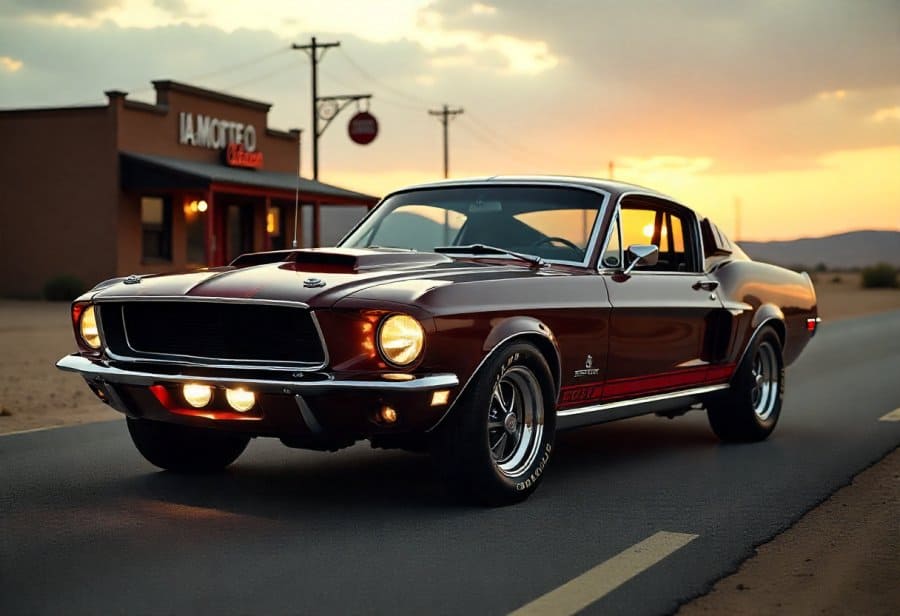
Modern Mustang: A Blend of Heritage, Innovation, and American Spirit
The modern Ford Mustang continues to stand out as a true icon in today’s automotive landscape, seamlessly blending its storied heritage with innovative technology. Its sleek, aerodynamic silhouette pays tribute to the classic muscle car design while incorporating modern elements like LED lighting and sculpted lines, creating an aesthetic that is both timeless and fresh. This careful balance ensures the Mustang remains instantly recognizable on the road and maintains its reputation as a quintessential American automotive icon.
Under the hood, today’s Mustang offers a variety of engine choices tailored to different driving preferences. The turbocharged EcoBoost engines deliver a compelling mix of performance and fuel efficiency, appealing to drivers who want speed without sacrificing practicality. For those craving raw power, the legendary 5.0-liter V8 remains available, providing exhilarating horsepower and torque that make every drive feel like a performance event. The Shelby GT500 pushes this even further with aggressive styling and track-ready features, reaffirming the Mustang’s place as a muscle car for the modern era.
Advancements in technology have transformed the driving experience, making the Mustang more versatile and convenient than ever. Modern models come equipped with sophisticated infotainment systems seamlessly connected to smartphones—offering navigation, music, and connectivity at your fingertips. Driver-assist features like adaptive cruise control, lane-keeping assist, and parking sensors not only enhance safety but also make daily driving more relaxed. These innovations make the Mustang appealing not just to enthusiasts but also to a broader audience seeking a blend of performance and everyday usability.
Design details continue to celebrate the Mustang’s roots—its signature long hood, muscular stance, and bold grille with the iconic pony emblem immediately convey its performance pedigree. Wide wheel arches, dual exhaust outlets, and LED lighting accents emphasize its aggressive stance and dynamic character. These elements create a visual identity that respects tradition while signaling modern performance, ensuring the Mustang remains a head-turner on any road.
Beyond its aesthetics and performance, the Mustang embodies a spirit of freedom and rebellion that resonates across generations. It’s more than just a car; it’s a cultural symbol that inspires adventure and individual expression. Ford’s ongoing commitment to innovation guarantees that each new model preserves this legacy, attracting both loyal fans and newcomers alike. As the automotive world shifts toward electrification and sustainability, the Mustang is poised to adapt—embracing the future while staying true to its core values of power, style, and American spirit.
Living the Mustang Legacy: Stories, Culture, and Community in Action
The legacy of the Mustang goes far beyond its design and performance specs; it lives vividly in the stories and experiences of those who drive and cherish it. For many enthusiasts, owning a Mustang isn’t just about transportation—it’s about feeling a connection to a broader cultural identity rooted in freedom, rebellion, and individual expression. Take Mark, for example, whose 1967 Fastback has been part of his life for over two decades. Restoring and customizing it has become more than a hobby; it’s a way to preserve history and stay connected to the car’s rebellious spirit. Each time he hits the open road, he feels that same rush of excitement and independence that made the Mustang legendary.
The car’s presence at local car meets, shows, and rallies keeps its cultural relevance alive. These gatherings become more than showcases—they’re celebrations of passion, craftsmanship, and shared values. Owners swap stories, exchange tips, and relive the Mustang’s storied past through photos and memorabilia. This sense of community is vital, passing the car’s significance from one generation to the next and ensuring the spirit of the Mustang endures.
Movies, TV shows, and music have cemented the Mustang as a true cultural icon. From Steve McQueen’s iconic chase scene in “Bullitt” to countless songs celebrating freedom and youthful rebellion, the Mustang embodies ideals that resonate across ages. For owners, it’s more than a vehicle; it’s a symbol of independence and resilience, a personal statement aligned with America’s love of adventure and self-expression.
The influence of the Mustang extends into lifestyle and creative pursuits. It inspires fashion, art, and storytelling, becoming a symbol of daring and craftsmanship. Whether cruising along scenic highways, participating in community events, or simply showing off a prized model, owners experience a sense of belonging rooted in shared passion. The Mustang becomes a living part of their identity, linking past and present through stories of speed, style, and freedom.
The aftermarket scene fuels this ongoing passion, offering endless opportunities for customization. Enthusiasts modify their Mustangs with performance upgrades, aesthetic tweaks, and unique accessories, making each car a reflection of its owner’s personality. These personal touches, shared in online forums or local meets, keep the culture vibrant and evolving. For many, owning a Mustang isn’t just about driving—it’s about being part of a movement that celebrates American muscle, craftsmanship, and the pursuit of individuality.
In every story, in every shared moment, the Mustang’s impact in the real world remains clear. It’s more than a car; it’s a symbol woven into American culture, embodying adventure, rebellion, and community. Its legacy continues because people see themselves in it—drivers and dreamers who value the spirit of freedom and resilience it represents. As long as these stories are told and passions shared, the Mustang’s legendary status will thrive, inspiring new generations to chase their own road to independence.
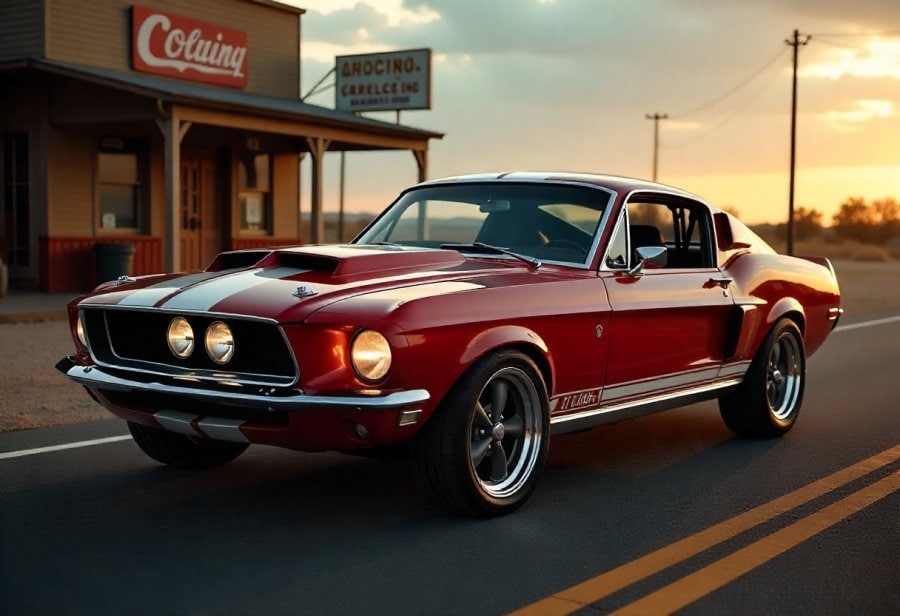
Pioneering the Future: Electrification, Innovation, and the Next Chapter of the Mustang
The future of the Mustang is poised to be as exciting as its storied past, driven by innovations that aim to keep this legendary car relevant for generations to come. One of the most anticipated developments is the move toward electrification. Ford is actively exploring electric Mustang models that promise the same adrenaline-pumping performance without the emissions, blending instant torque and near-silent operation with the muscle car’s signature power. This shift isn’t about replacing the traditional V8 but expanding the Mustang’s identity into a more sustainable realm while preserving its core spirit of freedom and performance.
Alongside electrification, advancements in driver-assist and connectivity technologies are set to transform the driving experience. Features like adaptive cruise control, lane-keeping assist, and integrated navigation will make high-performance driving safer and more accessible for everyday use. These enhancements aim to broaden the appeal of the Mustang, attracting new drivers who value practicality without sacrificing excitement. Yet, despite these technological upgrades, the essence of the Mustang—its raw power and rebellious attitude—will remain at the forefront.
Design-wise, future Mustangs are expected to continue honoring their roots with sleek, aerodynamic profiles that emphasize speed and agility. Modern styling cues—like bold grilles and aggressive stance—will be paired with familiar elements such as the pony emblem and muscular proportions. This balance ensures each new model is instantly recognizable, even as it incorporates cutting-edge technology. Ford’s focus will be on creating a vehicle that looks as fast as it drives, reinforcing the brand’s commitment to performance and style.
Powertrain options will evolve to include hybrid setups and turbocharged engines that deliver a mix of efficiency and adrenaline. While turbocharged four-cylinder engines may become more prominent, high-powered V8 variants are likely to stay, catering to purists who crave that unfiltered muscle car experience. The goal is to offer exhilarating performance that aligns with modern environmental standards, ensuring the Mustang continues to symbolize resilience, innovation, and American ingenuity.
As emissions regulations tighten and sustainability becomes a priority worldwide, the Mustang’s ability to adapt will be crucial. Ford is exploring ways to preserve the iconic sound and feel of the car, even in electric or hybrid formats, maintaining the sensory experience that enthusiasts cherish. This ongoing evolution reflects a broader commitment to bridging tradition with progress, ensuring the Mustang’s legacy remains vibrant and inspiring.
Ultimately, the next chapter of the Mustang’s story will be shaped by its capacity to innovate without losing its soul. By blending advanced technology with its legendary performance, Ford aims to keep the Mustang at the forefront of automotive culture—an enduring symbol of American muscle, freedom, and resilience. As it evolves to meet the challenges of a changing world, the Mustang’s timeless appeal will continue to inspire new generations to chase their own road to independence.