The Dodge Charger embodies the raw, rebellious spirit of American muscle cars, standing as a symbol of power, independence, and street dominance. With roots dating back to the late 1960s, its aggressive design and thunderous performance have cemented its legendary status in car culture—appearing in iconic movies and inspiring countless enthusiasts. From vintage big-block engines to modern supercharged beasts, each generation has pushed the boundaries of speed and attitude. But as industry standards shift toward electrification and stricter regulations, can the Charger retain its primal roar and rebellious soul? The future promises innovative blends of tradition and technology, raising the question: will the Charger continue to inspire awe on the streets or fade into history? Despite challenges, passionate communities and aftermarket culture sustain its legacy, proving that the spirit of American muscle is alive and evolving, eager to roar into a new era while holding tightly to its rebellious DNA.
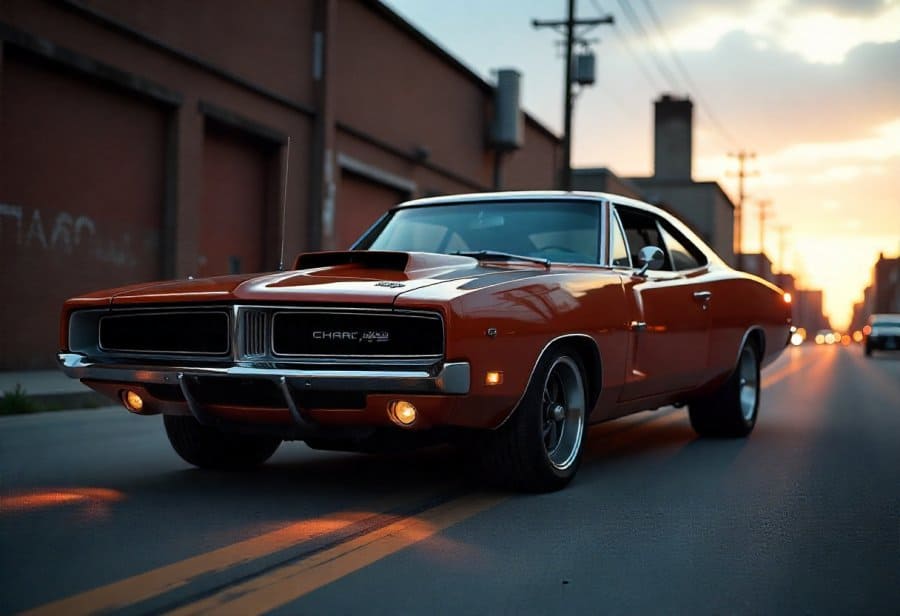
Unleashing the Rebellious Spirit of the Dodge Charger: An American Icon
Few cars capture the rebellious spirit of American muscle quite like the Dodge Charger. More than just a vehicle, it’s a symbol of power, freedom, and street dominance. Since its debut in the late 1960s, the Charger has made a bold statement with its striking design and fierce performance, quickly becoming a favorite among enthusiasts craving that primal road experience. Its muscular silhouette—long, wide, and aggressive—looks like it’s built to own the street, demanding attention wherever it goes.
The Charger’s design isn’t just about looks; it’s a declaration of strength and attitude. Its aggressive stance, iconic grille, and bold lines serve as visual cues of raw power. Whether cruising down the highway or tearing through a street race, this car commands the road with a presence that’s impossible to ignore. It’s a statement piece that embodies the rebellious, free-spirited attitude that defines American muscle cars.
Beneath that commanding exterior lies a storied history rooted in performance. From the roaring big-block engines of the past to today’s supercharged powerhouses, the Charger has always prioritized speed and authority. Its engineering is built for instant acceleration and primal power, making it a favorite for street racers and muscle car lovers alike. Every detail, from its muscular build to its thunderous roar, is designed to fuel that sense of rebellion and dominance.
Beyond its specs, the Charger embodies a broader cultural attitude of independence and defiance. It became a symbol of rebellion during the muscle car era, representing those who refused to conform. Its appearances in movies, TV shows, and street racing scenes have cemented its legendary status. For many, driving a Charger isn’t just about getting from point A to B—it’s about owning the road and expressing a bold, unyielding personality.
Today’s models blend that legendary DNA with modern technology, evolving while staying true to their roots. Despite stricter regulations and changing trends, the Charger remains an icon of raw power and rebellious spirit. Its design continues to evoke primal feelings of speed and attitude, connecting the legacy of classic muscle with the innovations of today. For those who see driving as more than just transportation, the Dodge Charger remains a symbol of unrelenting power and freedom on the open road.
From Bold Beginnings to Legendary Status: The Evolution of the Dodge Charger
The Dodge Charger’s story begins in the late 1960s, a time when muscle cars were taking over American roads and becoming symbols of rebellion. Introduced in 1966, the Charger was Dodge’s bold response to the rising demand for sleek, high-performance vehicles that could turn heads and deliver serious speed. Its fastback design broke away from the boxy styles of the era, giving it a distinctive, modern look that immediately resonated with enthusiasts. With powerful engine options and aggressive styling, the Charger quickly gained popularity among those seeking both style and raw power.
A key milestone came in 1969 with the release of the Charger R/T, which cemented its legendary status. Featuring a longer, more muscular body and equipped with the infamous 426 HEMI engine, it delivered jaw-dropping straight-line speed. This version gained fame not just on the streets but also through its appearances in movies like “Bullitt” and “The Dukes of Hazzard,” elevating it to pop culture icon status. These moments helped transform the Charger into a symbol of American muscle rebellion and street racing dominance.
Throughout the 1970s, the Charger underwent various updates that reflected shifting tastes and stricter safety and emissions regulations. Despite these changes, Dodge kept the core spirit alive with high-performance variants and bold design cues that paid homage to its roots. Even as the muscle car era waned, the Charger remained a favorite among enthusiasts, often seen in drag racing and street races, further fueling its legendary reputation.
The late 2000s marked a turning point with the revival of the Charger in a modern form. Dodge reimagined the classic model with contemporary design elements while nodding to its heritage. The new Chargers featured muscular lines, aggressive front ends, and powerful engines, including supercharged V8s that rivaled the old-school beasts. This comeback rekindled interest in the model, appealing to both nostalgic fans and newcomers eager for a modern muscle car that still embodies primal road power.
Today’s Chargers are a seamless blend of past and present, combining iconic design features like the long hood and wide stance with cutting-edge technology. Modern engineering improvements—such as digital dashboards, performance-tuned suspensions, and high-tech safety systems—help the Charger stay relevant in a rapidly evolving automotive landscape. Yet, it remains rooted in its rebellious DNA, continuing to symbolize raw power and street dominance.
Each generation of the Charger builds on this rich legacy, ensuring that its evolution is driven by a desire to stay true to its roots while embracing innovation. Despite the industry’s push toward electrification, the Charger’s story remains one of defiance and power. Its history reflects a constant balance between honoring the primal, visceral thrill of muscle cars and adapting to modern demands. Through all these changes, the Charger’s core identity as a legendary muscle car endures, inspiring new generations of drivers to own the road with attitude.
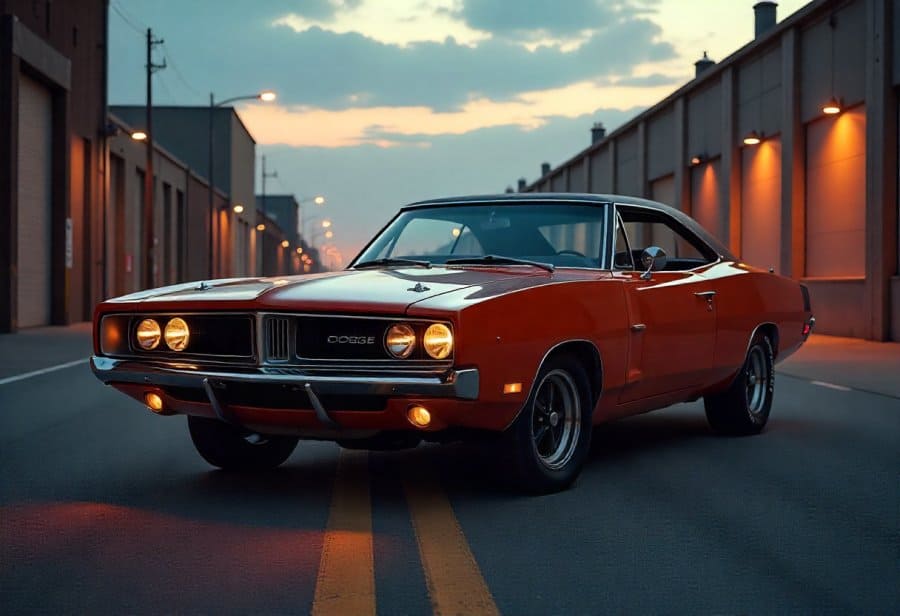
Muscle and Might: The Design and Performance Secrets of the Dodge Charger
The Dodge Charger’s design and engineering are a masterclass in blending aggressive aesthetics with high-performance capability. Its muscular silhouette is instantly recognizable, characterized by bold lines, a wide stance, and a commanding front grille that exudes raw power. The long, sculpted hood not only enhances its intimidating presence but also hints at the formidable engine lurking beneath. Every curve and contour is purposefully crafted to optimize aerodynamics, reducing drag while maintaining stability at high speeds. This careful balance ensures the Charger looks as ferocious as it performs.
Beneath that commanding exterior, the Charger’s engineering is built for speed and agility. Its robust chassis supports high-performance handling, reinforced by a suspension system tuned to deliver both comfort and responsiveness. Wide rear tires provide exceptional grip during acceleration and cornering, making the car feel glued to the road. A low center of gravity, achieved through strategic weight distribution, enhances stability during aggressive maneuvers. This combination of design and engineering allows the Charger to navigate tight turns and straightaways with confidence, reinforcing its reputation as a street racing icon.
Performance-wise, the Charger offers a range of powerful engines designed to deliver instant, primal acceleration. From naturally aspirated V8s to supercharged variants like the legendary Hellcat, each powertrain commands attention with its roar. Modern Chargers incorporate advanced cooling systems and lightweight materials to maximize power output without sacrificing durability. This ensures the car remains reliable during intense driving sessions, whether tearing up the strip or cruising city streets. The thrill of raw power is at the heart of every performance upgrade.
Inside, the Charger merges functional design with cutting-edge technology. Digital dashboards display real-time performance data, while the infotainment system keeps drivers connected and entertained. Customizable drive modes allow enthusiasts to tailor the car’s response—whether for daily driving or high-octane street racing. Features like launch control and high-performance brakes are seamlessly integrated, empowering drivers to push the car’s limits safely. Every detail is crafted to deliver an exhilarating driving experience that combines primal power with everyday usability.
The aesthetic cues of the Charger aren’t just for show—they serve functional purposes as well. Hood scoops and vents help cool the engine during high-stress driving, while the wide grille and muscular front fascia optimize airflow for cooling and aerodynamics. The rear, with its signature four round taillights and integrated spoiler, completes the look of a vehicle built for primal road power. Each element echoes the car’s aggressive attitude and performance focus, making it clear that this is a machine designed to dominate the asphalt.
Modern Chargers seamlessly blend high-tech features with their primal roots to create a versatile muscle car. Adaptive suspension systems and performance-tuned exhausts preserve that street racing spirit while ensuring a comfortable ride for daily use. Advanced safety features, including high-tech braking and stability controls, keep drivers in command even at high speeds. Digital performance dashboards and customizable settings allow enthusiasts to fine-tune their experience, ensuring the Charger remains relevant and exciting in today’s fast-evolving automotive landscape.
At its core, the Dodge Charger’s design and performance are a testament to its identity as a symbol of American muscle and street dominance. Every detail—from its muscular exterior to the tech-savvy interior—serves to evoke a sense of raw power and rebellion. It’s a vehicle built not just to look fierce but to back that attitude with engineering that delivers primal, instant acceleration. This harmony of form and function continues to make the Charger a legendary muscle car, inspiring drivers to own the road with confidence, attitude, and unrelenting power.
Driving Culture and Competition: The Charger’s Role in Street Racing and Rebellion
The Dodge Charger has left a lasting imprint on American car culture, embodying rebellion, raw power, and street racing dominance. Its thunderous roar and aggressive stance have made it a staple in movies like “Bullitt” and “The Dukes of Hazzard,” where it’s often portrayed as the ultimate machine for those craving freedom and adrenaline. These iconic appearances helped elevate the Charger from a mere vehicle to a cultural symbol of defiance and independence.
On the streets, the Charger’s reputation is legendary. Its powerful engines and unmistakable design make it the go-to choice for street racers aiming to dominate the asphalt. Enthusiasts rally around its raw speed and street cred, turning it into a symbol of high-performance rebellion. Its presence at drag strips and underground races continues to reinforce its status as a street racing beast, inspiring a community built on pushing limits and defying convention.
The rivalry among modern muscle cars often centers around the Charger, with competitors vying to match or surpass its street racing legacy. This ongoing competition fuels innovation, leading to faster, more powerful versions that keep the legend alive. Whether it’s the Hellcat or other high-performance variants, each new model carries forward the torch of muscle car rebellion, emphasizing speed, attitude, and individuality. This constant push for supremacy keeps the spirit of the muscle car fiercely alive today.
Beyond racing, the Charger influences broader car culture through its iconic design. Its long, muscular silhouette has inspired countless custom builds, restorations, and aftermarket modifications. Car clubs and enthusiast groups celebrate its legacy, sharing stories and tips on how to keep the spirit burning bright. This community-driven passion sustains its cultural relevance, ensuring the Charger remains a symbol of boldness and rebellion.
However, maintaining this rebellious legacy faces challenges. Stricter emissions regulations and safety standards threaten to dampen the raw, primal sound and performance that defined the classic muscle cars. As the industry shifts toward electric and hybrid technology, questions arise about how future Chargers will preserve their street racing DNA. Yet, the passion of enthusiasts continues to drive innovation and restoration, proving that the spirit of the muscle car rebellion endures.
Supporting this cultural impact means actively participating in the community—through car meets, online forums, or aftermarket upgrades. These efforts help preserve the Charger’s legacy for new generations eager to experience its primal road power. Its influence extends beyond the streets, shaping attitudes of freedom and individuality that resonate deeply within car culture. The Charger’s roar remains a powerful reminder that the rebellious spirit of American muscle lives on.
Even as the industry evolves, the Charger’s legacy as a street racing icon and symbol of rebellion remains strong. It’s more than just a muscle car; it’s a statement of attitude, power, and independence. For many enthusiasts, owning a Charger is about more than the vehicle itself—it’s about embracing a mindset that refuses to conform. The culture it has fostered continues to inspire drivers to own their roads with confidence, attitude, and primal power, ensuring that the legendary roar of the Dodge Charger echoes well into the future.
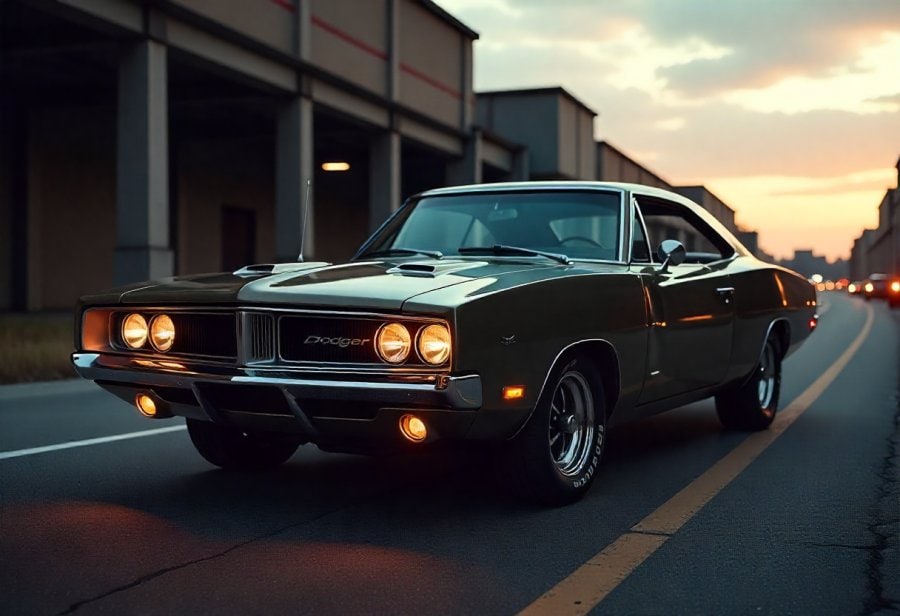
Revving into the Future: The Next Chapter for the Dodge Charger and Muscle Cars
The future of the Dodge Charger and muscle cars as a whole is poised for an exciting yet challenging journey. As the automotive industry accelerates toward electrification and tighter environmental standards, the raw, primal power that once defined classic muscle cars faces significant hurdles. The thunderous roar of big-block V8 engines, a signature of the Charger’s identity, is becoming rarer amid stricter emissions regulations. However, this shift also opens doors to new possibilities—electric motors now offer instant torque and blistering acceleration that can match, or even surpass, traditional engines, suggesting that primal road power may evolve rather than fade away.
Despite these changes, the essence of the Charger as a symbol of American rebellion and muscle car rebellion remains strong. Future models are likely to blend that iconic DNA with cutting-edge technology, possibly featuring electric or hybrid powertrains that retain its aggressive stance and bold design cues. The challenge will be to evoke that primal feeling—its roar, speed, and attitude—in a more sustainable framework. Enthusiasts will play a crucial role in supporting brands that prioritize performance and authenticity, helping to ensure the spirit of muscle cars endures into the next era.
Restoration and customization will continue to be vital pillars of the Charger’s legacy. Many classic Chargers remain highly sought after, and passionate enthusiasts’ efforts to restore or modify these vehicles help preserve their cultural significance. Car clubs, online communities, and aftermarket parts manufacturers act as custodians of this heritage, fostering innovation while maintaining the rebellious attitude that defines the model. Their collective passion keeps the legacy alive, bridging generations and inspiring new drivers to experience the primal thrill of the street.
Looking ahead, balancing innovation with tradition will be key. Automakers will need to develop technologies that deliver that primal adrenaline—whether through electrification or advanced performance systems—without sacrificing the authenticity that makes the Charger legendary. Success in this endeavor will determine whether the vehicle continues to inspire awe on the streets and at car shows or becomes a relic of the past. If they succeed, the Charger will continue to symbolize raw power and street dominance, adapting to modern standards while respecting its roots.
The cultural influence of the Charger extends beyond just the roads. Its iconic design and fierce performance have inspired countless custom builds, restorations, and aftermarket modifications. This community-driven passion sustains its relevance and keeps the spirit of rebellion alive. Supporting this legacy through participation in car meets, online forums, and aftermarket upgrades helps ensure that the Charger’s roar continues to resonate for generations to come, inspiring a new wave of enthusiasts eager to own a piece of American muscle history.
In the broader landscape, the challenge will be to preserve the rebellious attitude that has made the Charger a symbol of independence and freedom. Industry shifts toward electric powertrains are inevitable, but the core appeal—speed, attitude, and presence—must be maintained. The future of muscle cars hinges on how well they can innovate without losing that primal, visceral experience that defines their identity. With the right blend of tradition and technology, the Charger can evolve into a new chapter of its storied legacy.
As long as roads remain for daring drivers, the spirit of the Dodge Charger will continue to roar. Its legacy is rooted in defiance, power, and a refusal to conform—a mindset that transcends technology and trends. The ongoing evolution will be about more than just engines; it’s about maintaining that rebellious attitude and passion for performance. The Charger’s roar will echo through time, inspiring new generations to embrace their primal instincts and own the road with attitude, power, and unyielding confidence.