In an era where traditional locks and alarms no longer suffice, modern home security has transformed into a sophisticated, interconnected system designed to safeguard families proactively. From remote CCTV surveillance to smart access controls, these solutions offer real-time monitoring, instant alerts, and seamless integration, empowering homeowners with unprecedented control and peace of mind. But as these technologies become more complex and reliant on internet connectivity, questions arise: Are these smart systems truly foolproof against cyber threats or system failures? Can they balance ease of use with robust security? This preview delves into how integrated security not only deters intruders but actively responds to threats, changing the very definition of home safety. As technology advances, the future promises smarter, more intuitive protection—yet the challenge remains: how do families navigate the risks and rewards of this connected security landscape?
Contents
Transforming Home Security: Embracing a Smarter, Connected Future
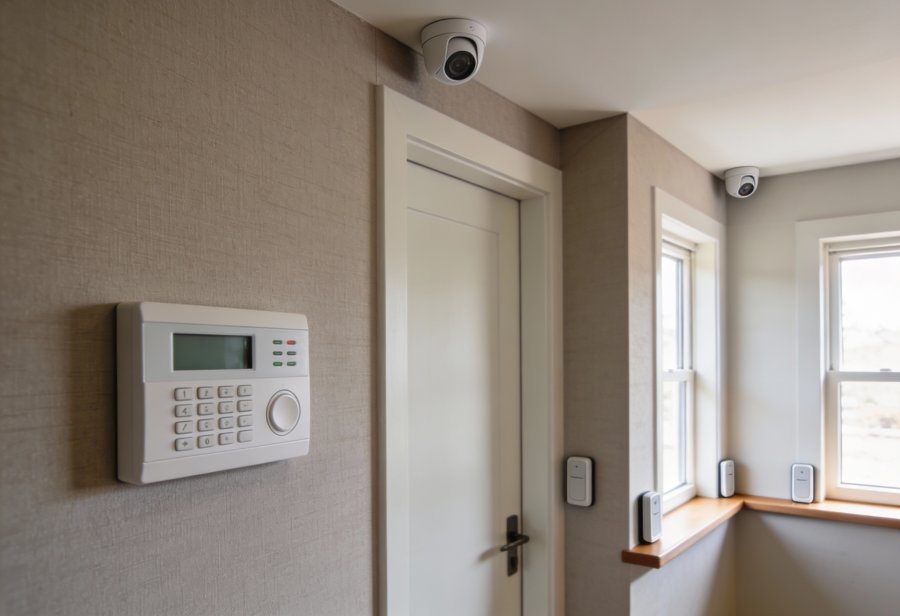
Home security has dramatically evolved over recent years, reflecting the changing landscape of threats and technology. No longer are simple locks and alarms enough to protect modern households; today’s security systems are smarter, more connected, and capable of proactive responses. With an increasing number of unpredictable risks—from thefts to emergencies—homeowners need solutions that adapt and respond instantly, wherever they are.
This shift isn’t just about adding more gadgets. It’s about creating a comprehensive safety network that seamlessly integrates different devices and technologies. Modern systems combine cameras, sensors, alarms, and smart locks into a unified platform, enabling real-time monitoring and control. This interconnected approach turns a house into an active, intelligent environment, capable of detecting and responding to threats immediately.
The importance of these solutions becomes even clearer when considering today’s fast-paced, mobile lifestyles. Whether you’re at work, on a trip, or commuting home, being able to oversee your property remotely offers peace of mind and a sense of control. Instant alerts, live video feeds, and remote locking features allow families to act swiftly in response to any suspicious activity, often preventing incidents before they escalate.
Furthermore, integrated security systems address modern threats more effectively than traditional methods. They provide layered protection—cameras record, sensors detect, and alarms alert—working together to create a robust defense. This proactive stance not only deters intruders but also ensures homeowners can verify and respond to issues in real time, making the system more than just reactive.
Yet, embracing this new landscape requires understanding both its potential and its limitations. Complex setups, cybersecurity concerns, and internet dependencies highlight the need for careful planning, regular maintenance, and choosing trusted providers. When managed well, these advanced systems offer a level of safety that previous generations could only imagine.
Ultimately, today’s home security solutions are about more than just deterrence—they’re about empowerment. They give families the tools to stay connected, vigilant, and prepared in an unpredictable world. This evolution signifies a shift from passive protection to active safety, redefining what it means to keep a home secure.
From Locks to Networks: The Evolution of Home Security Technologies
Traditional home security relied primarily on mechanical locks, deadbolts, and basic alarm systems. These measures served mainly as deterrents rather than foolproof protections. Locks could be picked or bypassed by someone with enough skill, and alarms that only emitted loud sounds often failed to alert homeowners promptly or to prevent intrusions altogether. Their effectiveness was limited, especially against determined intruders, and they offered little control once homeowners were away.
As technology advanced, new options emerged that significantly improved security capabilities. Electronic alarm systems added sensors that triggered alerts when doors, windows, or motion were detected unexpectedly. While these systems increased the chances of alerting homeowners or neighbors, they often operated independently, with limited connectivity or remote management options. Without integration into a broader network, their role was primarily reactive—sounding alarms after a breach rather than preventing it.
A relevant discussion appears on Over Strng in Ivy Perez‘s Experience the Future of Home Security Today.
The introduction of CCTV cameras marked a major milestone in home security. Early systems provided visual surveillance and recorded footage for later review or evidence. These cameras were initially bulky and costly, requiring dedicated monitors and complex setups. Over time, technological improvements made cameras smaller, more affordable, and easier to install. The real breakthrough came when they could be integrated into connected systems, allowing homeowners to view live footage remotely via smartphones or computers, shifting security from reactive to proactive.
Modern security systems now combine these elements into interconnected, smart ecosystems. They include cameras, sensors, alarms, and smart locks working together seamlessly. This layered approach enables real-time responses—such as a sensor detecting movement that triggers a camera to record and sends an alert to your device. This integration creates a dynamic safety net, offering proactive protection and instant verification, far beyond what traditional standalone devices could achieve.
While these advancements offer significant benefits, they also introduce new challenges. Setting up and managing complex systems can be daunting for some homeowners. Dependence on internet connectivity makes them vulnerable to disruptions from outages or network issues. Additionally, as systems become more connected, cybersecurity risks like hacking grow more pertinent. Choosing reputable providers, securing networks, and maintaining regular updates are essential steps to ensure these modern solutions remain reliable protectors rather than vulnerabilities.
Protect Your Markham Property with F.I.S.T Security’s Advanced Solutions
F.I.S.T Security is a proudly Canadian owned and operated business serving Markham, Ontario, with a reputation built on trust and reliability. We go the extra mile to deliver tailored security solutions, including intruder detection, card access, CCTV, intercoms, alarm monitoring, remote video monitoring, lighting, and environmental control. Our team takes pride in maintaining the highest standards and exceeding client expectations. Whether you need a robust alarm system or comprehensive security management, F.I.S.T Security is your local expert. Contact us today at 416.755.4233 or email [email protected] to learn how we can enhance your property’s safety and security.
Unified Defense: How Integrated Security Systems Elevate Safety
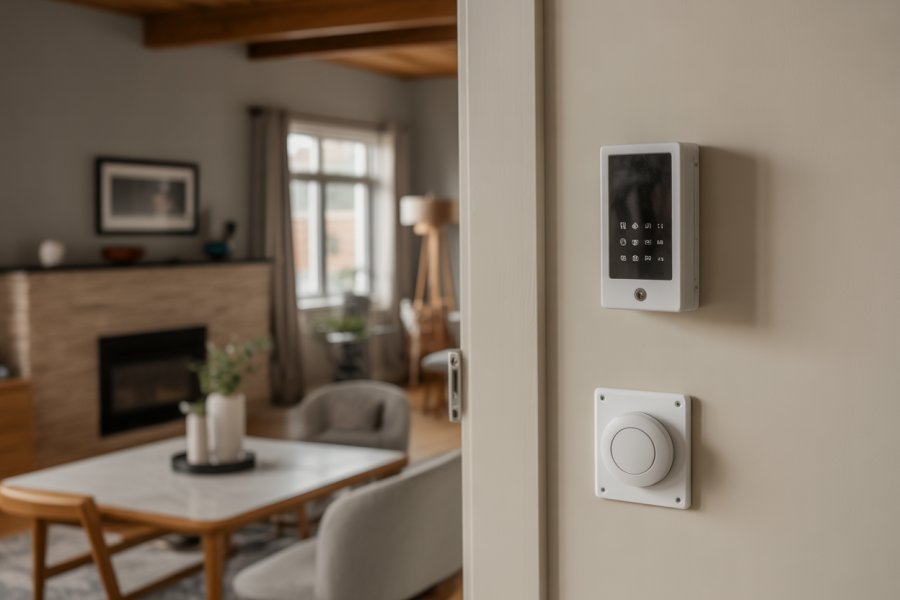
Integrated security solutions bring together multiple devices and technologies into a unified system, creating a layered defense that’s far more effective than relying on individual components alone. When cameras, sensors, alarms, and smart locks operate in harmony, their combined strength surpasses the sum of their parts. For example, a sensor detecting movement can trigger a camera to start recording and simultaneously send an alert to your phone, enabling a quick and coordinated response. This real-time collaboration helps catch intruders early and often prevents incidents altogether.
The immediate connection these systems provide is a game-changer. Homeowners can view live feeds instantly, verify suspicious activity, and act swiftly—whether that’s locking a door remotely or calling authorities. This capability turns security from a passive alarm into an active process of prevention and response. It offers peace of mind, knowing that your safety network is constantly working to protect your home, no matter where you are.
However, this interconnected approach isn’t without its challenges. As more devices are added, setup can become complex, and misconfigurations may create vulnerabilities. A wrongly programmed sensor or forgotten password might leave gaps in your security. Plus, these systems depend heavily on internet connectivity. Power outages or Wi-Fi disruptions can temporarily disable crucial functions, underscoring the need for backup power sources and stable networks.
For another take on this topic, see Ki Wood‘s article Experience the Future of Home Security with Smart, Connected Systems on Kaslo Crier.
Cybersecurity is another concern as these systems become more connected. Hackers might target cameras or smart locks if proper protections aren’t in place. Securing your network with strong passwords, regular updates, and trusted providers is essential. Without these measures, your system’s intelligence can turn into a liability rather than an asset.
Despite these hurdles, the benefits of integrated systems are clear. They provide a comprehensive picture of your home’s security and enable proactive responses to potential threats. Instead of waiting for an alarm to go off, you can verify issues immediately, helping to prevent thefts or damages before they happen. This shift from reactive to proactive security is especially valuable in today’s unpredictable environment.
Integration also streamlines household management. Automation routines—like locking doors when you leave or turning on outdoor lights when motion is detected—enhance both safety and convenience. These systems adapt seamlessly to your lifestyle, making security feel less like a chore and more like a smart, intuitive part of daily life.
Of course, no system is perfect. Over-reliance on technology without proper cybersecurity precautions can introduce new risks. Technical glitches, hacking attempts, or system failures could undermine your security if not addressed. That’s why maintaining regular updates, strong passwords, and combining high-tech solutions with traditional safeguards creates a balanced and resilient security setup.
When all these elements work together, integrated security solutions elevate home safety from mere deterrence to active protection. They transform your house into a smart, responsive environment capable of anticipating and addressing threats before they escalate. This holistic approach makes modern security not just more effective but also more adaptable to the unpredictable threats of today’s world.
Real-Life Impact: How Advanced Security Solutions Protect Your Home Daily
Modern home security solutions truly prove their worth through everyday applications that homeowners rely on. Many families use remote monitoring to keep an eye on their homes while away at work or on vacation. Being able to check live camera feeds instantly and receive alerts about unusual activity allows for quick action—whether contacting authorities or notifying a trusted neighbor. This real-time oversight turns a connected security system into a vital tool for peace of mind and swift response.
When an intruder attempts to break in, integrated systems demonstrate their strength by sending immediate notifications, activating alarms, and capturing footage. This rapid, coordinated response often deters further intrusion and provides valuable evidence for law enforcement. Homeowners also leverage the system’s flexibility to verify visitors or deliveries remotely, granting temporary access and reducing the hassle of physical keys. These features streamline daily routines while enhancing security.
Families value these solutions for the safety they bring to loved ones. Parents can monitor children arriving home from school or check on pets when they’re away. Sensors alert homeowners instantly if a door is left open or tampered with, enabling quick intervention before small issues escalate. This proactive approach not only increases safety but also fosters a sense of control and reassurance in busy, unpredictable lives.
Rocky Room includes an in-depth article by Soren Long titled Transform Your Home Security with Smart Remote Solutions.
Implementing integrated security isn’t without challenges. Cost can be a barrier, especially with professional installation and ongoing monitoring fees. Managing multiple devices may feel overwhelming for those less familiar with smart technology, leading to setup errors or misconfigurations. Connectivity issues—like power outages or Wi-Fi disruptions—can temporarily disable vital features, highlighting the importance of backup power sources and secure networks.
Despite these hurdles, many homeowners attest to the effectiveness of integrated solutions. They report feeling more secure, knowing they can respond promptly to threats from anywhere. The peace of mind gained from constant monitoring and instant alerts often outweighs the inconveniences. These systems demonstrate how technology transforms security from passive deterrents into active, adaptable protection.
In daily life, these systems adapt seamlessly to changing routines and environments. Automated routines—such as locking doors when leaving or activating outdoor lighting upon detecting motion—enhance both safety and convenience. This integration makes security feel intuitive rather than burdensome, turning a house into a smart, responsive environment.
While no system is foolproof, combining high-tech solutions with traditional safeguards creates a balanced, resilient defense. Regular maintenance, strong cybersecurity practices, and thoughtful management ensure these advanced systems serve as reliable protectors. When used effectively, integrated security solutions redefine what it means to keep a home safe in today’s unpredictable world.
Looking Ahead: The Future of Home Security and Family Safety
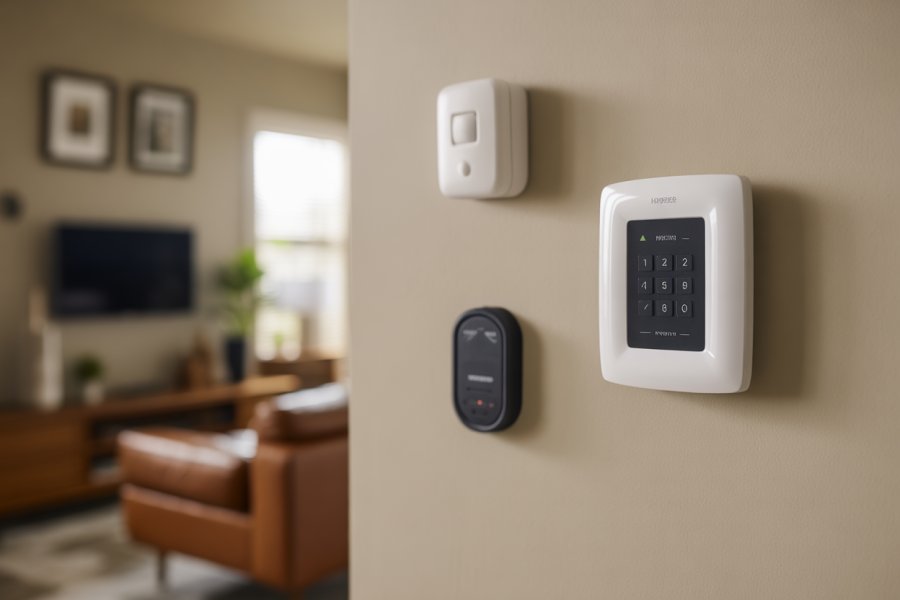
As home security continues to evolve, the emphasis shifts toward smarter, more integrated solutions that actively protect families rather than just deter threats. The strength of modern systems lies in their ability to combine multiple layers—cameras, sensors, alarms, and smart locks—into a seamless network that responds instantly to risks. This interconnected approach not only enhances safety but also provides homeowners with real-time control, regardless of their location, transforming security from a passive measure into an active safeguard.
Advancements in connectivity and artificial intelligence promise a future where security systems become even more intuitive and proactive. Faster internet, more reliable IoT devices, and smarter algorithms will enable these systems to anticipate potential threats, adapt to changing environments, and minimize false alarms. As cybersecurity measures improve alongside these innovations, homeowners can enjoy more peace of mind knowing their connected homes are protected against hacking and breaches.
Affordability and user-friendliness are also set to improve, making sophisticated security technology accessible to a broader range of households. Simplified installation processes, easy-to-navigate interfaces, and streamlined management will lower barriers for adoption. As a result, more families will be able to benefit from the enhanced safety and convenience offered by integrated, remote-controlled systems, creating safer communities overall.
However, as reliance on technology grows, so does the importance of balancing innovation with vigilance. Regular updates, strong passwords, and a layered security approach remain essential to counteract potential vulnerabilities. Combining these high-tech solutions with traditional safeguards—like physical locks and community awareness—ensures a resilient and comprehensive defense against today’s unpredictable threats.
Looking ahead, the landscape of home security will likely become more personalized and adaptive, tailoring protection to individual routines and lifestyles. Homes will not only react to threats but also predict and prevent them, creating environments that are safer by design. For families, this means greater peace of mind, knowing their homes are equipped to handle a world full of surprises with confidence and resilience.
In the end, the future of home security is about empowering families through technology that is smarter, more reliable, and more integrated than ever before. By embracing continuous innovation while maintaining a focus on cybersecurity and traditional safety measures, homeowners can stay one step ahead in protecting what matters most—their loved ones and their homes.