In an age dominated by screens and digital connections, could the simple act of tending a garden together unlock deeper emotional bonds and foster healing? ‘Garden as Sanctuary’ explores how working side-by-side in outdoor spaces nurtures patience, communication, and trust, transforming gardening from a mere hobby into a powerful tool for relationship strengthening. The act of planting, watering, and caring for life outside mirrors personal growth—requiring time, effort, and mutual support—and offers a calming refuge that encourages vulnerability and honest dialogue. Supported by scientific studies and real-life stories, this work reveals how shared outdoor activities build empathy, resilience, and emotional openness, even amidst life’s setbacks. As innovative approaches and community programs expand, can cultivating green spaces become a universal pathway to healing and connection? This compelling exploration invites readers to consider that tending to plants may be the key to nurturing not just gardens, but the very bonds that sustain us.
Unlock Emotional Healing Through Gardening: Build Trust and Connection
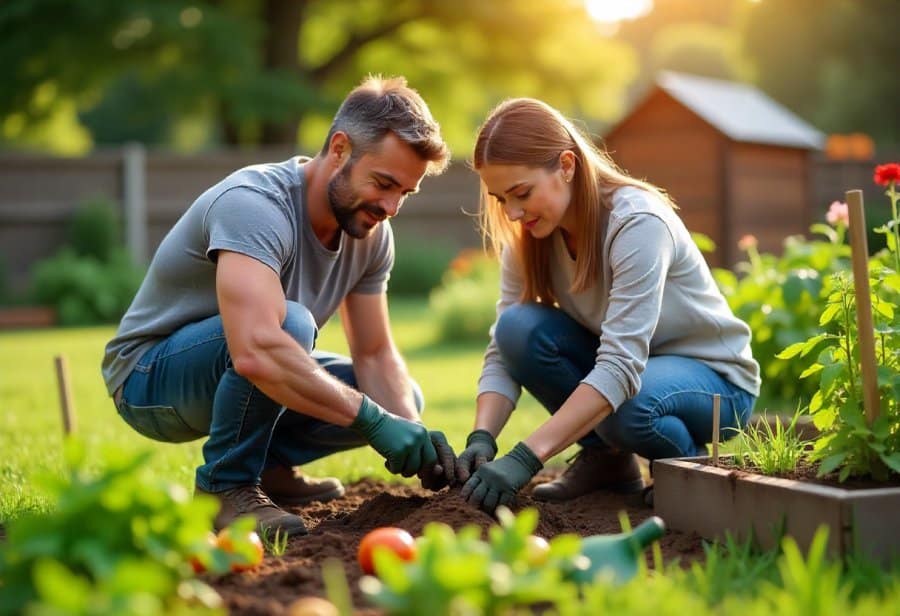
Gardening might seem like a simple outdoor hobby, but it holds a surprising capacity to deepen emotional bonds and foster healing in relationships. When people work side-by-side to care for plants, they engage in a shared effort that naturally encourages patience, communication, and teamwork. These qualities don’t just benefit the garden—they create a foundation of trust and understanding that can extend into everyday life.
Tending a garden teaches patience and resilience—lessons that resonate well beyond the outdoor space. Watching tiny seeds sprout and grow into thriving plants reminds us that progress often takes time and consistent effort. When couples or families nurture life outside, they develop skills like listening, problem-solving, and supporting each other through setbacks, which strengthens bonds in ways words alone rarely can.
Gardening is inherently calming. The physical contact with soil, the gentle rhythm of watering and pruning—these activities trigger relaxation and reduce stress. This natural stress relief creates a more open environment for honest conversations and emotional vulnerability. When done together, gardening becomes a mindful activity that not only nurtures plants but also encourages genuine connection and emotional openness.
Research supports the idea that shared outdoor activities like gardening can significantly improve emotional regulation and social trust. Couples who garden together often report feeling closer and more trusting, while family gardening programs tend to increase patience and cooperation among children. These shared experiences highlight how working side-by-side in nature fosters empathy, respect, and emotional resilience, making gardening more than just a hobby—it becomes a tool for healing.
Beyond the tangible benefits, gardening provides a space for emotional growth. Watching plants flourish under shared care offers a powerful metaphor for relationship development: growth takes patience, attention, and love. As hands dig into the earth and plants thrive, so too can relationships deepen through shared effort and mutual support, proving that sometimes, the best way to heal and strengthen bonds is to get a little dirt under your nails together.
Garden Bonding Foundations: Cultivating Trust, Resilience, and Calm
Shared gardening activities have a profound influence on emotional and relational health by fostering a sense of teamwork and shared purpose. When people tend to plants together, they participate in a cycle of effort and reward that naturally builds trust and mutual understanding. Whether planting seeds, watering, or pruning, these actions require coordination and communication, which over time strengthen bonds. Watching the tangible results of their collective work creates a sense of pride and ownership that deepens connection and respect.
Gardening teaches patience and resilience in a way that resonates beyond the outdoor space. Observing tiny sprouts grow into thriving plants mirrors the slow, steady process of building strong relationships. It reminds us that progress requires time, persistence, and care—lessons that are just as relevant in personal connections. When challenges such as pests or weather setbacks arise, working through them together encourages better listening, problem-solving, and emotional support. These shared struggles and solutions foster emotional resilience and trust.
The physical contact involved in gardening has calming effects that extend well beyond the activity itself. Touching soil and being immersed in nature triggers relaxation responses, reducing stress hormones and elevating mood. This creates an environment where honest conversations become easier and emotional openness more natural. As a result, gardening becomes a form of outdoor therapy that both relaxes the mind and deepens bonds, making it easier for individuals to share their feelings and vulnerabilities.
Research consistently supports these observations, showing that outdoor activities like gardening enhance emotional regulation and social trust. Couples who garden together report feeling closer and more connected, often experiencing fewer conflicts. Community gardening projects further demonstrate how collective effort in nurturing plants fosters patience, cooperation, and empathy. These shared experiences reinforce the idea that working side-by-side in nature nurtures not just plants but also human relationships.
Shared responsibility plays a vital role in garden bonding. When everyone has a role—watering, weeding, harvesting—it cultivates a sense of mutual dependence and accountability. This shared care encourages respectful cooperation, which translates into better communication and teamwork outside the garden. Over time, these small acts of nurturing help build emotional resilience, making relationships more adaptable and supportive in everyday life.
Throughout history and modern science, the link between gardening and emotional healing remains clear. From ancient herbal remedies to contemporary therapeutic gardens, caring for plants has long been associated with improved mood and social bonds. Advances in neuroscience now reveal how outdoor activities influence brain regions involved in emotional regulation. This growing body of evidence confirms that gardening isn’t just about plants—it’s a powerful way to nurture emotional health and strengthen connections.
Scientific Proof and Real-Life Stories Show Gardening’s Power to Heal
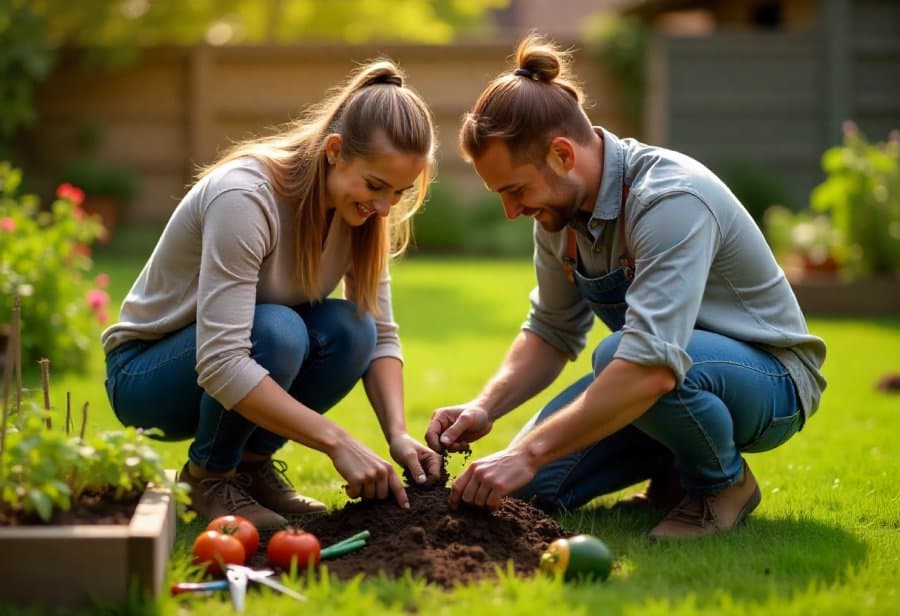
Numerous studies support the idea that shared gardening activities can significantly strengthen emotional bonds and improve relationship quality. Research published in environmental psychology journals reveals that couples who garden together often feel closer and more trusting. The act of jointly caring for plants fosters teamwork, where both partners contribute and witness tangible results, reinforcing mutual respect and cooperation. These small shared efforts lead to a sense of collective achievement, deepening emotional connection over time.
Real-life examples underscore these findings. One study followed a couple experiencing frequent disagreements; after dedicating time to their backyard garden, they reported fewer conflicts and a newfound patience with each other. The routine of planting and nurturing became a safe space for open communication, helping them reconnect emotionally. Similarly, community gardening programs involving families have shown increased patience among children and a stronger sense of teamwork, illustrating how working side-by-side in nature nurtures trust, empathy, and respect.
Beyond emotional bonding, gardening’s calming effects play a crucial role. Tending plants outdoors triggers relaxation responses that reduce stress hormones and elevate mood. This peaceful environment makes honest conversations easier and fosters emotional openness. When people collaborate on caring for something outside themselves, it creates a shared space for vulnerability and trust—key ingredients for healing wounded relationships and building resilience.
Scientific validation continues to grow. Studies show that couples engaged in shared outdoor activities like gardening report feeling more emotionally connected and trusting. Some research indicates that working together in the garden reduces conflicts by encouraging patience and empathy. Community projects where groups collaborate on gardens demonstrate how collective effort fosters social bonds and resilience, turning outdoor work into a space for developing trust and emotional strength.
Shared responsibility is central to garden bonding. When everyone has a role—watering, weeding, harvesting—it fosters mutual dependence and accountability. This sense of shared care promotes respectful cooperation, which often translates into better communication and teamwork outside the garden. Over time, these small acts of nurturing serve as powerful metaphors for relationship growth, emphasizing patience, attention, and love—values that underpin emotional resilience.
With growing scientific and anecdotal evidence, it’s clear that gardening offers a meaningful way to nurture emotional health. From reducing stress to fostering trust, working side-by-side in nature helps rebuild and strengthen bonds, especially in a digital age where genuine connection can be hard to find. Sharing the simple act of tending plants reminds us that growth—both in gardens and relationships—begins with patience, effort, and care.
Transform Relationships with Practical Gardening Steps for Lasting Growth
Starting a shared gardening project begins with selecting a space that feels welcoming and accessible for everyone involved—whether it’s a backyard, balcony, or community plot. Involving all participants early on in choosing what to plant fosters a sense of ownership and investment, making the activity more meaningful. Picking plants that suit everyone’s preferences, skills, and physical abilities helps ensure no one feels overwhelmed or left out. Establishing a regular routine, whether weekly or biweekly, turns gardening into a shared ritual rather than just a task, creating anticipation and consistency.
Providing simple tools and clear guidance makes the experience approachable, especially for beginners. Small touches like labeled watering cans or ergonomic tools boost confidence and encourage participation. As the garden begins to flourish, celebrating milestones—such as the first sprout or blooming flowers—reinforces a sense of shared accomplishment. These moments deepen bonds and transform gardening into a meaningful tradition rooted in collective effort and care.
Obstacles like busy schedules or physical limitations can arise, but flexibility is key. Adapting tasks with raised beds or container gardening keeps everyone involved and engaged. Open communication and regular check-ins help maintain motivation and address challenges early. Facing setbacks together—whether weather issues or slow growth—builds resilience and patience, qualities that strengthen trust and cooperation.
Incorporating small rituals further cements the connection. Sharing harvests, preparing meals from garden produce, or simply taking a moment to admire the garden together turns the activity into a bonding experience. These shared moments turn gardening into more than an outdoor hobby—they become spaces for nurturing relationships, patience, and mutual support.
Supporting your gardening efforts doesn’t end with planting. Tapping into community programs, local workshops, or online resources can enrich the experience and spark new ideas. Many organizations offer beginner classes or shared garden spaces that bring people together, fostering a sense of community. Using gardening apps or online forums provides ongoing encouragement and tips, making it easier to stay committed and inspired. For more on this topic, the Mayo Clinic highlights how gardening can support health, reduce stress, and connect us with nature. Click here to read the full article.
By integrating these approaches, gardening becomes a powerful tool for connection and healing. It’s about more than growing plants—it’s about cultivating patience, love, and trust. Even small efforts, like tending a few pots or planting a vegetable patch, can spark meaningful change. Watching both plants and relationships thrive side by side reminds us that growth begins with care, attention, and a willingness to get our hands dirty together.
The Future of Garden Bonding: Nurturing Bonds in a Changing World
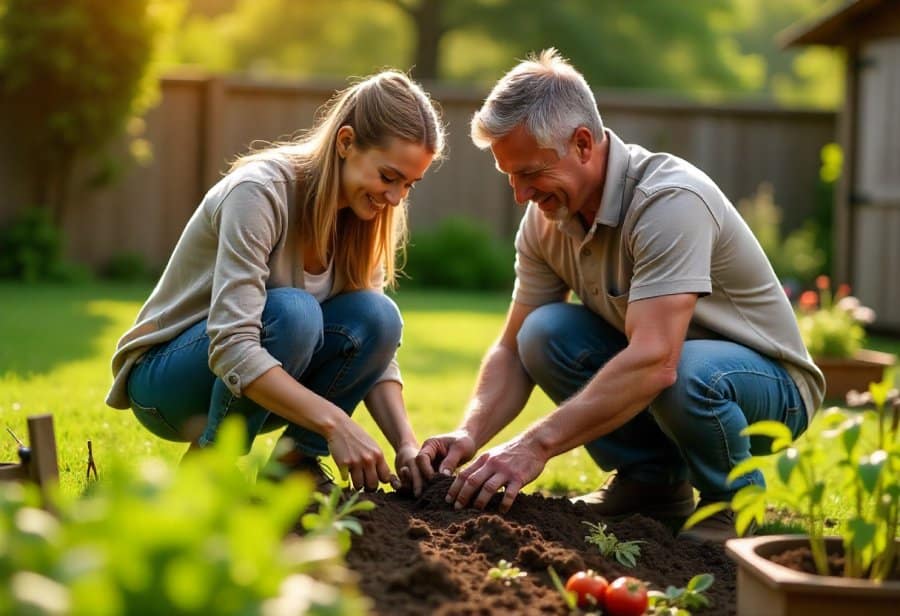
Gardening as a tool for strengthening emotional bonds and fostering healing continues to prove its lasting value. As more people seek authentic connections beyond screens and digital distractions, shared outdoor activities like gardening offer a natural, effective way to reconnect with ourselves and each other. The growing body of research and expanding community programs highlight how caring for plants can nurture empathy, patience, and trust—key ingredients for emotional resilience. With advances in technology, such as gardening apps and virtual tools, engaging in these activities is becoming more accessible, making garden bonding a practical option for many.
Looking to the future, integrating gardening into mental health initiatives, workplace wellness programs, and educational settings could amplify its positive impact. Schools might use garden projects to teach patience and teamwork, while workplaces could create green spaces that encourage staff to unwind and bond. These efforts can normalize outdoor therapy and embed emotional well-being into daily routines. As the cycles of planting and nurturing mirror personal growth, they serve as gentle reminders that patience and care are fundamental to healing and strengthening relationships.
Innovation and research continue to explore how specific garden designs or plant choices can maximize emotional and social benefits. Emerging technologies, like smart gardening tools and virtual reality experiences, hold the potential to make shared outdoor activities even more engaging—especially for those facing physical or logistical challenges. This blend of nature and technology could lead to personalized, inclusive approaches that adapt to diverse needs and lifestyles, broadening the reach of garden-based healing. The core idea remains simple: tending to life outside creates space for growth inside, fostering resilience and connection in a world increasingly hungry for genuine bonds.
Despite the rapid pace of modern life, the timeless act of nurturing plants remains a powerful metaphor for relationship development. It reminds us that growth requires patience, attentiveness, and love—values that resonate universally. As society becomes more aware of mental health challenges and the importance of meaningful interactions, gardening offers a practical, approachable way to cultivate emotional health and deepen connections. Even small efforts—like caring for a few pots on a balcony—can spark profound change, illustrating that healing often begins with a shared moment of tending together.
Ultimately, the future of gardening as a healing and bonding practice looks promising. It’s a gentle, accessible path to building stronger, more resilient relationships—one that encourages us to slow down, get our hands a little dirty, and watch both our gardens and our bonds flourish. In a world that often pulls us apart, tending to nature together reminds us of our shared capacity for growth, patience, and love. It’s an invitation to nurture not just plants, but the very connections that sustain us, one seed at a time.