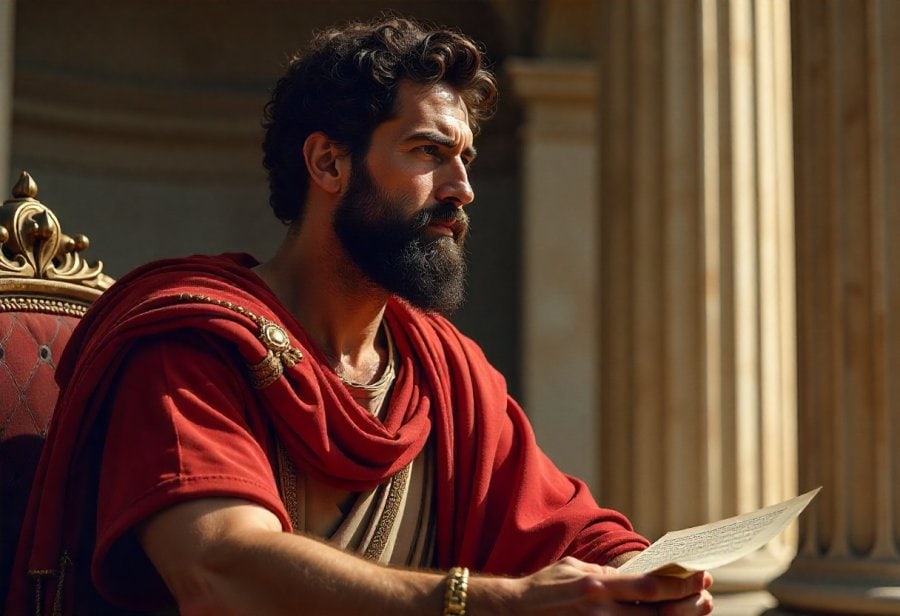
The legend of Robin Hood endures as a symbol of justice, resistance, and moral virtue, rooted in medieval social tensions and folk traditions. Originating in ballads from the late 13th and early 14th centuries, Robin Hood’s story reflects societal frustrations with corruption, heavy taxation, and arbitrary justice during King John’s reign. While he is often romanticized as a master archer and champion of the oppressed, evidence suggests he is more likely a composite figure representing local outlaws and social bandits who challenged authority from the safety of Sherwood Forest’s rugged landscape. His stories mirror real grievances of the time and embody universal ideals of fairness and collective resistance. Though the precise historical origins remain elusive, the enduring power of Robin Hood lies in his ability to symbolize hope and moral righteousness, resonating across generations as an archetype fighting systemic injustice and advocating for societal virtue.
Unveiling the Legend: Robin Hood’s Enduring Cultural Significance
Robin Hood’s story endures as one of the most compelling legends of medieval England, capturing imaginations across centuries. Its roots lie in a rich tapestry of folk tales, ballads, and oral traditions that gradually coalesced into a memorable figure—an outlaw operating in Sherwood Forest. Early mentions in medieval ballads portray Robin Hood as a hero fighting against injustice, often depicted as a noble rebel standing up to corrupt authorities. These stories reflect societal tensions of the time, where narratives of resistance and moral virtue provided a voice for the common people’s frustrations and aspirations.
As the legend evolved, Robin Hood’s character became increasingly romanticized. He is depicted as a master archer, a loyal friend, and a champion of the oppressed—stealing from the rich to give to the poor. This motif of social justice resonated deeply, transforming him from a mere criminal into a moral symbol. Sherwood Forest, his legendary refuge, signifies a frontier where societal norms are challenged, and justice is redefined beyond the confines of law and order. The Merry Men, his band of loyal followers, embody collective resistance, loyalty, and the enduring ideal of fighting injustice from the margins.
Throughout history, Robin Hood’s figure has transcended his folkloric origins, becoming an archetype that adapts to contemporary ideals of heroism and resistance. From early ballads in the 13th and 14th centuries to modern films and novels, his character has been reshaped to reflect changing cultural values. Yet, at the core, the themes remain consistent: a hero battling tyranny, advocating for fairness, and embodying virtue. Robin Hood’s story continues to resonate because it embodies universal aspirations for justice, equity, and moral righteousness—values that remain relevant across ages.
The mythic Robin Hood also blurs the line between fact and fiction. The earliest references in medieval literature do not offer concrete evidence of a single person matching his description. Instead, they suggest a composite of local outlaws, social bandits, and folk heroes whose stories merged over time. These embellishments—his legendary marksmanship, unwavering sense of justice, and loyalty—serve to elevate him beyond a simple criminal. Such romanticized details reinforce societal ideals rather than document historical fact, transforming Robin Hood into a symbol whose meaning surpasses individual biography.
Contextually, the political climate of King John’s reign, from 1199 to 1216, provides a significant backdrop for Robin Hood’s legend. This was a period marked by unrest, heavy taxation, and disputes between the crown and rebellious barons. The records indicate widespread dissatisfaction, which stories of Robin Hood echo. While the stories do not depict him as a direct participant in political conflicts, they mirror the collective frustration against corrupt officials and oppressive policies. Robin Hood’s resistance becomes a reflection of the broader social upheaval, symbolizing the desire for justice amid turbulent times.
The physical landscape of Sherwood Forest anchors the legend in a tangible setting. Its dense woods and remote terrain offered natural refuge for outlaws seeking to evade authorities. Archaeological evidence suggests outlaw activity was common in Nottinghamshire and surrounding regions, supporting the idea that Robin Hood’s stories are rooted in real communities of resistance. The rugged terrain itself symbolizes a frontier where societal norms could be challenged, and resistance could flourish outside the reach of central authority. This geographical connection adds a layer of authenticity to the legend, making Robin Hood a figure deeply intertwined with a specific, tangible landscape.
In sum, Robin Hood’s story embodies a blend of myth and history, shaped by centuries of storytelling that reflect genuine social tensions of the medieval period. His legend captures frustrations with heavy taxation, arbitrary justice, and social inequality—issues vividly experienced during King John’s reign. While concrete evidence of his existence remains elusive, the recurring themes of resistance, virtue, and social justice continue to make Robin Hood a powerful cultural symbol. Whether rooted in reality or myth, his narrative speaks to the universal human desire for fairness and morality, ensuring his place as a timeless champion of the oppressed.
Tracing the Roots: Origins and Evolution of Robin Hood Amid Medieval Tensions
The origins of Robin Hood as a legendary figure are deeply rooted in medieval storytelling, folk traditions, and the social tensions of early England. The earliest mentions of Robin Hood appear in ballads and oral tales from the late 13th and early 14th centuries, where he is portrayed as a heroic outlaw living in Sherwood Forest. These initial stories provide little biographical detail; instead, they focus on his acts of defiance against corrupt officials and oppressive authorities. Over time, Robin Hood’s character became more elaborate, blending local legends with broader themes of justice, resistance, and moral virtue. This evolution reflects societal attitudes of the Middle Ages, where stories of rebellion often served as a mirror for the struggles faced by common folk and marginalized groups.
Early references to Robin Hood are primarily found in ballads and folk traditions, which circulated orally before being penned in written form. For instance, the ballad “Robin Hood and the Monk,” dating from around 1450, presents Robin as a noble outlaw fighting injustice and protecting the weak. These stories emphasize his exceptional skill with a bow, loyalty to his friends, and unwavering sense of morality. The oral tradition allowed these tales to adapt and spread across generations, turning Robin Hood into a cultural archetype representing social justice and defiance against tyranny. As the stories grew more romanticized, they merged real social grievances with fantastical elements, elevating Robin Hood beyond a mere criminal to a symbol of resistance and moral virtue.
The political climate of King John’s reign, from 1199 to 1216, provides essential context for understanding Robin Hood’s legend. His rule was characterized by internal conflicts, territorial disputes, and increasing unrest among both the nobility and common people. Heavy taxation, often levied to fund wars in France, fueled widespread discontent. Medieval records from this period depict a kingdom fraught with social grievances—people chafed under oppressive policies and arbitrary justice. Robin Hood’s stories mirror these frustrations, with his resistance echoing the collective anger directed at corrupt officials and unjust rulers. Although Robin Hood himself may not have been directly involved in these political conflicts, his legend encapsulates the spirit of rebellion against tyranny that permeated society.
The signing of the Magna Carta in 1215 marks a notable milestone within this turbulent environment. It was a direct response to King John’s abuses of power, heavy taxation, and arbitrary rule. The charter aimed to limit royal authority and address grievances voiced by rebellious barons and oppressed communities. These widespread discontentment and demands for justice form a backdrop that aligns closely with Robin Hood’s core themes. His opposition to corrupt officials and his efforts to redistribute wealth resonate with the broader desire for fairness and accountability that fueled the political upheavals of the time. While Robin Hood may not have participated in specific events, his legend embodies the collective push for justice that the Magna Carta symbolized.
The rugged landscape of Sherwood Forest anchors Robin Hood’s myth in a tangible setting that lends it authenticity. Its dense woods and remote terrain provided natural refuge for outlaws seeking to evade capture. Archaeological evidence suggests outlaw activity was prevalent in Nottinghamshire and surrounding regions, supporting the idea that Robin Hood’s stories are rooted in real communities of resistance. The landscape itself becomes a symbol of rebellion—a frontier where societal norms could be challenged and where those seeking justice could find sanctuary outside the reach of central authority. The physical environment thus reinforces the legend’s connection to a specific, recognizable place and underscores its plausibility as more than mere myth.
The legend’s enduring power lies in its ability to adapt and reflect changing social values over time. From the earliest ballads to modern films, Robin Hood’s character has been reshaped to embody ideals of resistance against tyranny and injustice. Despite the romanticized traits—his exceptional archery, unwavering loyalty, and moral clarity—the core themes remain consistent: a hero fighting for fairness, defending the oppressed, and embodying virtue. This flexibility enables the legend to resonate across generations, ensuring its relevance amid shifting cultural landscapes. The story of Robin Hood is thus not static but a dynamic reflection of society’s ongoing struggle for justice.
Finally, while the concrete evidence linking Robin Hood to specific individuals or events remains elusive, the legend’s roots in social and political unrest are undeniable. His stories encapsulate the frustrations of oppressed communities facing heavy taxation, corrupt officials, and systemic inequality—real grievances that inspired acts of rebellion in medieval England. The physical landscape, the social tensions, and the evolving narratives all contribute to a picture that, although mythical in detail, is grounded in historical reality. Robin Hood’s legend endures because it symbolizes a universal human desire: the fight against injustice and the pursuit of moral virtue. His story, whether based on a single person or collective memory, continues to inspire because it speaks to the timeless aspiration for fairness and resistance against tyranny.
Core Themes of Justice and Resistance: Dissecting Robin Hood’s Mythic Narratives
The core themes of the Robin Hood legend revolve around justice, resistance, and moral virtue—elements that have persisted through centuries of storytelling. Robin is consistently depicted as an outlaw who, despite operating outside the law, embodies a profound sense of righteousness. His battles against corrupt officials and oppressive rulers resonate with universal ideas of fighting injustice and protecting the vulnerable. The motif of stealing from the rich to give to the poor stands at the heart of his image, positioning him as a moral hero rather than a mere criminal. Sherwood Forest, his legendary refuge, symbolizes a frontier where societal norms are challenged, and justice is redefined beyond the constraints of law and order. The Merry Men, his loyal followers, exemplify collective resistance, loyalty, and the enduring power of solidarity in the struggle against tyranny.
Discerning Robin Hood as myth from him as a real person requires careful analysis. The stories romanticize him with extraordinary skills, unwavering morals, and steadfast loyalty—traits that are often exaggerated to create an idealized figure. These embellishments serve to elevate Robin beyond a simple outlaw into a symbol of societal virtues. The tales emphasize his remarkable archery, cleverness in evading authorities, and moral conviction, yet these qualities blur the line between historical fact and legendary fiction. The scant historical evidence of a single Robin Hood matching the romanticized image suggests he is more likely a composite figure—an amalgamation of local legends, social bandits, and folk heroes whose stories merged over time. This synthesis allows his myth to embody broader societal ideals rather than document a precise biography.
The stories also serve as social commentary, echoing the turbulent political landscape of medieval England. Robin Hood’s defiance against corrupt officials and his efforts to redistribute wealth align with widespread grievances about heavy taxation, arbitrary justice, and social inequality. During King John’s reign, these issues reached a breaking point, creating fertile ground for tales of rebellion. Robin Hood’s legend captures the collective frustration of oppressed communities, symbolizing their desire to challenge authority and seek justice outside the failing system. Though he may not have participated directly in political conflicts, his story reflects the underlying currents of resistance that characterized the era—an allegory for societal discontent.
The geographical setting of Sherwood Forest grounds Robin Hood’s myth in a tangible landscape that adds to its authenticity. Its dense woods and remote terrain provided natural cover for outlaws resisting authority, making the stories plausible within their environment. Archaeological findings support the existence of outlaw activity in Nottinghamshire and surrounding regions, reinforcing the idea that Robin Hood’s legend is rooted in real communities of resistance. The rugged terrain itself becomes a symbol of rebellion—a frontier where social norms could be questioned and where those seeking justice could find refuge outside the reach of central power. This connection to a real place deepens the legend’s resonance, transforming it from pure myth into a reflection of tangible historical circumstances.
The legend’s enduring impact stems from its ability to adapt and mirror changing social values over time. From the earliest ballads to modern films, Robin Hood has been reshaped to embody ideals of resistance against tyranny and injustice. Despite the romanticized traits—his unparalleled archery skills, unwavering loyalty, and moral clarity—the central themes remain consistent: a hero fighting for fairness, defending the oppressed, and exemplifying virtue. This flexibility allows Robin Hood’s story to remain relevant, resonating with each generation’s moral aspirations. The legend’s capacity to evolve ensures that it continues to symbolize hope and moral virtue amid shifting cultural landscapes.
While the precise historical origins of Robin Hood remain elusive, the core of his legend reflects genuine social tensions. The stories capture the frustrations of oppressed communities burdened by unjust taxation, systemic corruption, and social inequality—real grievances that fueled acts of rebellion across medieval England. His stories, grounded in the landscape of Nottinghamshire and shaped by collective memory, serve as a powerful archetype of resistance. Robin Hood embodies the universal human desire for justice, fairness, and moral righteousness. Whether he was a real figure or a mythic symbol, his enduring appeal lies in his representation of the timeless struggle against oppression, making him a lasting icon of societal resistance and virtue.
From Legend to Reality: Connecting Robin Hood’s Stories with Historical Conflicts and Political Upheaval
The stories of Robin Hood do not emerge in isolation; they are deeply intertwined with the tumultuous political landscape of King John’s reign, providing a clear contextual foundation for understanding how the legend may have roots in actual conflicts. During the early 13th century, England was beset by unrest driven by heavy taxation, arbitrary justice, and widespread dissatisfaction among both the nobility and commoners. King John’s policies, especially his efforts to fund wars in France, led to a surge of resentment that found fertile ground in the stories of rebellion and resistance. The documented grievances from this period reflect a kingdom on the brink, where social tensions ran high and the desire to challenge unjust authority grew louder.
King John’s reputation for exploiting his subjects through oppressive taxation and capricious law enforcement created an environment ripe for the emergence of outlaw communities. Records from the era portray a ruler whose policies alienated many, fueling discontent that often manifested as acts of defiance. The signing of the Magna Carta in 1215 marked a pivotal moment, not just legally but symbolically, as it signified a collective pushback against royal overreach. The document aimed to curb the king’s unchecked power, echoing the broader societal frustrations that stories of Robin Hood would later embody. Robin’s resistance against corrupt officials and unjust policies can be seen as a mythic reflection of these widespread grievances, even if he was not a direct participant in political upheaval.
The geography of Nottinghamshire’s forests, especially Sherwood, offers tangible support for linking Robin Hood’s legend to real conflicts. These dense, remote woods provided natural sanctuaries where outlaws could evade the authorities, making resistance plausible within that environment. Archaeological evidence points to frequent outlaw activity in the region, suggesting that communities of resistance did exist in these rugged landscapes. Robin Hood, as a figure operating from such terrain, fits into this historical pattern. The landscape itself becomes an active character in the story, symbolizing both refuge and rebellion—a frontier where societal norms could be challenged, and justice could be pursued outside the confines of official law.
Though direct documentation connecting Robin Hood to specific figures or battles remains elusive, the broader context of social unrest offers compelling clues. Medieval records depict bands of rebels, social bandits, and outlaws operating in Nottinghamshire and nearby regions, often resisting authorities through theft, guerrilla tactics, and defiance. These communities, driven by economic hardship and political injustice, provide a plausible backdrop for Robin Hood’s mythos. His legendary efforts to redistribute wealth and oppose corrupt officials mirror the frustrations voiced by oppressed populations, suggesting that the stories may be rooted in collective acts of resistance rather than individual heroism.
The political environment of King John’s reign—marked by territorial disputes, heavy taxation, and internal dissent—shaped a climate conducive to rebellion. Widespread discontentment, especially among the barons and commoners alike, created a fertile setting for stories that celebrated defiance. Robin Hood’s opposition to corrupt officials and his efforts to champion the oppressed directly echo the grievances that fueled the unrest leading up to and following the signing of the Magna Carta. His legend encapsulates a collective desire to challenge unjust authority, representing a moral stand against systemic abuse that resonated with the social sentiments of the time.
The landscape itself reinforces the plausibility of Robin Hood’s resistance being rooted in reality. Sherwood Forest’s dense woods and rugged terrain provided an ideal environment for outlaws seeking to operate beyond the reach of royal forces. Archaeological finds of outlaw activity and social banditry in Nottinghamshire further support this notion. These physical barriers and the community resistance they fostered created a space where rebellion could flourish—an environment that helped transform Robin Hood from a mere figure of myth into a symbol of tangible, localized defiance. The landscape’s authenticity underscores the likelihood that stories of resistance emerged from real experiences of social and political opposition.
The legend’s endurance can be attributed to its ability to adapt and mirror the evolving ideals of justice and resistance through the centuries. From the earliest ballads to contemporary films, Robin Hood has been reshaped to embody the morality of each era—yet the core themes remain consistent: a hero fighting tyranny, defending the oppressed, and embodying virtue. These stories resonate because they reflect a universal human aspiration for fairness and morality amid systemic injustice. The romanticized traits—such as his unmatched skill with a bow and unwavering loyalty—serve to elevate Robin beyond a simple outlaw into a moral archetype, a symbol of resistance that sustains relevance across generations.
The core of Robin Hood’s legend, therefore, is rooted in more than myth; it echoes genuine social tensions and political conflicts of early 13th-century England. Heavy taxation, systemic corruption, and social inequality were real issues that fueled acts of rebellion, often masked in stories of outlaws and resistance fighters. The physical environment of Nottinghamshire’s forests and the collective memory of social unrest lend credibility to the idea that Robin Hood’s legend originated from authentic grievances. While the specific identity of Robin Hood remains uncertain, his myth captures the enduring human desire to challenge injustice and seek moral virtue—a desire that continues to resonate, making his story as relevant today as it was centuries ago.
Legends and Reality Intertwined: Summing Up Robin Hood’s Roots in Social Struggles and Myth
The question of whether Robin Hood’s legendary rebellion stems from factual conflicts or simply grew as a myth is complex, yet the evidence leans toward a nuanced conclusion. The stories undeniably echo the social tensions of King John’s reign, a period marked by heavy taxation, arbitrary justice, and widespread dissatisfaction among both nobility and commoners. These grievances are well documented and created fertile ground for tales of resistance, making Robin Hood’s opposition to corrupt officials and his efforts to champion the oppressed resonate deeply with the realities of the time. His depiction as a fighter against injustice aligns closely with the collective frustrations voiced in medieval society, suggesting that at least some core elements of his legend are rooted in genuine social upheaval.
However, the concrete evidence linking Robin Hood to specific individuals or documented events remains elusive. Medieval records rarely reference him directly, and the earliest ballads and stories emerge centuries after the supposed period of his activity. Most scholars agree that Robin Hood is more likely a composite figure—an amalgamation of local outlaws, social bandits, and folk heroes—that evolved over generations. The romantic qualities attributed to him—his exceptional archery, unwavering sense of morality, and loyalty—serve to elevate his image beyond that of a simple criminal, turning him into a moral archetype embodying societal virtues rather than a verifiable historical person. This blending of myth and history ensures that Robin Hood remains a symbol whose meaning transcends specific biographical details.
The physical landscape of Sherwood Forest adds further weight to the idea that Robin Hood’s stories are rooted in real conditions. Its dense woods and remote terrain provided natural refuge for outlaws resisting authority, making resistance plausible within such an environment. Archaeological findings support the existence of outlaw activity in Nottinghamshire and surrounding regions, indicating that communities of resistance did indeed operate in these rugged landscapes. The terrain itself becomes a symbol of rebellion—a frontier where societal norms could be challenged and where those seeking justice could find sanctuary outside the reach of central authority. This tangible connection to a specific place deepens the legend’s authenticity, transforming Robin Hood from a mere myth into a reflection of actual social dynamics.
The enduring power of the Robin Hood legend lies in its remarkable ability to adapt across generations, mirroring the evolving ideals of justice and resistance. From the earliest ballads to contemporary films, Robin Hood has been reshaped to embody the moral virtues of each era—yet the core themes remain consistent: a hero fighting tyranny, defending the vulnerable, and embodying fairness. This flexibility ensures that the story continues to resonate, as each generation finds in Robin Hood a symbol of hope and moral integrity. The legend’s capacity to reflect societal aspirations sustains its relevance, turning it into an enduring narrative that embodies the universal human desire for justice.
While the specific origins of Robin Hood as a historical figure remain uncertain, the social and political tensions of early 13th-century England provide a compelling context for his myth. Heavy taxation, systemic corruption, and social inequality created widespread discontent, which stories of Robin Hood encapsulate. His resistance against unjust authority echoes the collective frustrations voiced by oppressed communities, making him a symbol of rebellion rooted in real grievances. The physical landscape of Nottinghamshire’s forests and the collective memory of social unrest lend credibility to the idea that Robin Hood’s legend was born from genuine struggles rather than pure fantasy. The enduring appeal of his story stems from this deep connection to real-world issues, elevating him beyond a mere fictional hero into a potent icon of resistance.
In sum, Robin Hood’s rebellion appears to be a tapestry woven from threads of both fact and myth. While definitive proof of his existence is lacking, the social realities of his supposed era—marked by unrest, injustice, and systemic inequality—strongly inform the narrative. His legend encapsulates the collective desire for fairness, morality, and justice in turbulent times. The landscape of Sherwood Forest and the stories of resistance it fostered suggest that the social grievances underpinning his myth were real enough to inspire lasting stories of defiance. Robin Hood, whether a historical figure or an archetype, embodies the universal human aspiration to challenge oppression and uphold virtue. His legend endures precisely because it reflects the persistent hope that resistance to injustice can lead to societal change, making him a timeless symbol of moral courage and social justice.