Heroic archetypes like Odysseus and Batman serve as powerful reflections of their societies’ core values, fears, and aspirations. While Odysseus embodies Greek ideals of cunning, resilience, and loyalty—values rooted in divine favor and mastery over chaos—Batman represents internal resilience and moral ambiguity shaped by urban modernity and societal decay. This contrast raises compelling questions: How do cultural environments influence the traits we celebrate in heroes? And what do these differences reveal about evolving societal priorities? From mythic divine battles to gritty urban struggles, these stories demonstrate that, despite their differences, universal qualities like perseverance, strategic thinking, and human ambition remain central to heroism. Exploring their origins and narratives reveals how hero archetypes adapt over time without losing sight of core human virtues—challenging us to consider what future heroes might embody in a rapidly changing world.
Jump To Section
Heroes as Mirrors of Society: Reflecting Values, Fears, and Hopes Through Time
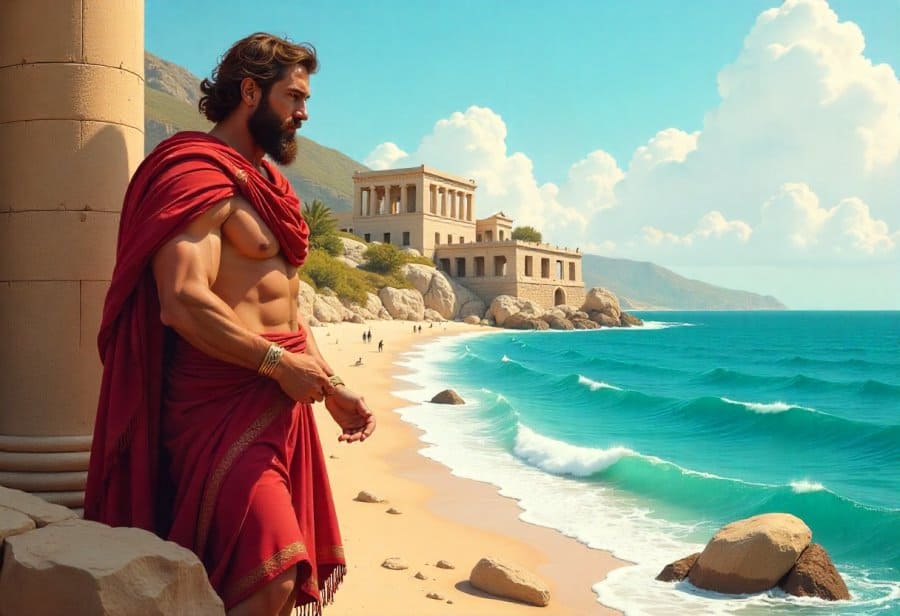
Heroes have always served as mirrors of the societies that craft them, reflecting the values, fears, and hopes of their time. Whether it’s the mythic figures of ancient Greece or the vigilantes of modern comics, these characters are more than just stories of individual bravery—they embody collective ideals and societal priorities. Their traits and struggles reveal what cultures admire, fear, and aspire to, offering a window into the moral fabric of each era.
This exploration begins with the recognition that hero archetypes aren’t static; they evolve alongside the societies that produce them. Ancient heroes like Odysseus exemplify qualities such as cunning, resilience, and loyalty—traits that reinforced Greek ideals of wisdom and perseverance. Their stories often intertwined divine intervention with human ingenuity, emphasizing mastery over chaos and the divine. In contrast, modern heroes like Batman embody internal resilience, moral ambiguity, and strategic thinking, reflecting contemporary concerns about justice, societal decay, and internal darkness.
Understanding these differences helps us see how societal fears and hopes shape hero narratives. Odysseus’s cleverness and steadfastness symbolize a culture that valued mastery over divine and supernatural forces. His journey highlights human endurance and intelligence as keys to overcoming mythic challenges. Meanwhile, Batman’s story taps into urban anxieties—crime, corruption, and psychological turmoil—focusing on internal resilience and moral complexity as vital traits for navigating a fractured world.
Examining these archetypes reveals that hero stories function as cultural blueprints, illustrating what societies hold dear and what they fear losing. The ancient Greek hero’s reliance on divine favor and cleverness mirrors a time when human fate was believed to be intertwined with divine will. Today’s heroes, shaped by urban upheavals, focus on psychological resilience and moral nuance, embodying a shift towards internal strength and moral ambiguity. Both types, however, serve the same purpose: inspiring collective resilience amid adversity.
Ultimately, hero archetypes are timeless symbols that adapt to the moral and social landscape of their creators. They reveal the core human qualities—perseverance, strategy, and ambition—that transcend specific cultures and eras. By understanding the roots of these characters, we gain insight into the societies that shaped them and the enduring human spirit that drives their stories. As societies continue to evolve, so too will their heroes—mirroring not just their fears and hopes but also their capacity for resilience and change.
Origins of Heroes: Cultural Roots from Greece to Modern Urban Legends
The origins of Odysseus and Batman as hero figures are deeply rooted in the cultural landscapes from which they emerged, each reflecting the values and anxieties of their respective societies. Odysseus comes from ancient Greece, a civilization that revered wit, resilience, and loyalty. His stories echo the Greek belief that human ingenuity and perseverance could triumph over divine wrath and chaos. These virtues were celebrated through epic tales that emphasized cleverness, strategic thinking, and unwavering determination, reinforcing societal ideals of wisdom and fidelity.
In contrast, Batman’s origins are embedded in early 20th-century urban America, shaped by societal fears surrounding rising crime and moral decay. His character was crafted amidst a backdrop of social upheaval, reflecting a culture preoccupied with internal darkness and the need for order. Unlike Odysseus, who relied on divine aid and cunning, Batman embodies internal resilience, meticulous planning, and technological innovation—traits that mirror a society confronting its internal shadows and seeking moral clarity amid chaos.
Both figures serve as cultural mirrors, yet their roots reveal contrasting societal priorities. Odysseus’s stories emphasize mastery over divine forces and divine favor, embodying a culture that valued divine intervention and human endurance. His adventures celebrate human cleverness as a means to navigate mythic dangers. Meanwhile, Batman’s character encapsulates modern concerns about societal corruption, internal darkness, and moral ambiguity. His tales focus on internal resilience and strategic thinking as vital tools for confronting external threats rooted in internal decay.
Ancient Greek heroes like Odysseus exemplify a cultural admiration for endurance and cunning. His clever schemes, such as the Trojan Horse, showcase Greek pride in strategic wit, while his steadfastness in facing mythical monsters underscores the importance placed on perseverance and loyalty. These stories reinforced a societal worldview where mastery over chaos and divine forces was essential for survival and honor.
Conversely, Batman’s creation was heavily influenced by societal upheavals and urban fears. His vigilante persona was a response to the chaos of modern cities, emphasizing psychological resilience and moral clarity. His reliance on technology, meticulous planning, and internal strength reflects a cultural shift toward valuing internal moral resolve over divine intervention. His stories explore the internal struggles of confronting societal decay and internal darkness.
Over time, these cultural shifts have profoundly shaped hero narratives. Ancient myths centered on divine battles and moral virtues, serving to reinforce social cohesion through divine and supernatural themes. Modern stories, however, tend to focus on internal conflicts, moral gray areas, and human flaws—mirroring the complexities of contemporary society. Both Odysseus and Batman embody the enduring human tendency to craft heroes that reflect current societal values, fears, and hopes.
While their contexts differ, the core traits of resilience, strategic thinking, and human ambition remain central to both heroes. Odysseus’s reliance on intelligence and perseverance echoes Greek ideals of mastery and loyalty, whereas Batman’s focus on internal resilience and moral ambiguity resonates with modern concerns about justice and internal darkness. Their origins illustrate how hero archetypes adapt to cultural priorities without losing sight of universal human qualities.

Contrasting Traits of Odysseus and Batman: Strategy, Resilience, and Morality Unveiled
Odysseus and Batman exemplify heroism through their strategic minds and resilience, but they apply these traits in ways that mirror their vastly different worlds. Odysseus’s legendary cunning is rooted in wit, deception, and clever planning. His triumphs, like the Trojan Horse, showcase how intelligence can turn the tide of mythic battles and outsmart divine and mortal foes alike. Batman’s resilience, on the other hand, is psychological—an unwavering mental toughness forged through personal loss, moral gray areas, and Gotham’s chaos. His meticulous planning and technological mastery enable him to confront internal and external darkness with equal resolve.
Both heroes demonstrate adaptability as a core trait. Odysseus’s cleverness allows him to shift tactics when divine or mythical dangers arise. Whether resisting Sirens or outwitting Circe, he constantly adjusts his approach to survive and succeed. Similarly, Batman’s ability to improvise and change tactics keeps him ahead of Gotham’s criminals. Resilience for him isn’t just about toughness; it’s about flexibility—being able to pivot when circumstances demand it, which keeps him relevant in a city riddled with chaos.
Morality plays a nuanced role in shaping their heroism. Odysseus often makes morally ambiguous decisions—deceiving enemies or risking betrayal—driven by the need to protect his crew and return home. His cunning sometimes blurs the line between hero and trickster, reflecting Greek values that prized intelligence and resourcefulness. Batman operates within a modern moral landscape, frequently navigating ethical gray areas. As a vigilante, he balances justice with revenge, often operating outside the law and sparking debate about morality and heroism. Both figures reveal that heroism involves navigating complex moral terrains rather than following clear-cut ideals.
Despite these differences, both Odysseus and Batman embody essential qualities that define true heroism: strategy, resilience, and adaptability. Odysseus’s cleverness and steadfastness helped him navigate mythic monsters and divine wrath, embodying Greek virtues of wit and perseverance. Batman’s mental resilience and tactical mastery allow him to confront Gotham’s internal and external chaos. Their stories underscore that perseverance and strategic thinking are universal traits that turn ordinary individuals into heroes capable of overcoming profound adversity.
At their core, these heroes reflect their societies’ values—Odysseus as a symbol of Greek ingenuity and loyalty, Batman as a modern icon of internal strength and moral ambiguity. Their contrasting traits highlight how heroism evolves to mirror cultural priorities—divine mastery and loyalty in ancient Greece, internal resilience and moral complexity today. Yet, beneath these differences lies a shared human essence: resilience, intelligence, and ambition, proving that these qualities transcend time and culture.
Their stories remind us that heroism isn’t just about extraordinary deeds but also about how individuals adapt and endure through challenges. Odysseus’s cunning and perseverance echo ancient ideals, while Batman’s resilience and strategic thinking resonate with contemporary concerns. Both serve as archetypes of human ambition—showing that even in vastly different worlds, the qualities that define a hero remain remarkably consistent. These traits continue to inspire, challenge, and shape our understanding of what it means to be truly heroic.
Understanding the distinct qualities of these heroes can provide deeper insights into how heroism adapts across different eras and cultural contexts. For a comprehensive comparison, you can explore a detailed comparative analysis of odysseus and batman’s heroism traits that highlights their shared and unique characteristics.
Cultural Contexts Shape Hero Archetypes: From Divine Battles to Urban Shadows
Cultural environments shape hero archetypes in profound ways, influencing not just their characteristics but also the stories that define them. In ancient Greece, heroes like Odysseus emerged from a society that highly valued wit, resilience, and loyalty. These qualities reflected a culture that believed human ingenuity and perseverance could triumph over divine wrath and chaos. Greek stories celebrated cleverness and endurance, emphasizing mastery over supernatural forces and divine intervention. Heroes were seen as embodiments of societal ideals—strategic thinkers who relied on intelligence and moral steadfastness to navigate mythic dangers.
Fast forward to the early 20th century, and hero archetypes like Batman are rooted in a very different cultural context. Emerging amid urban upheaval, Batman’s character reflects societal fears of rising crime, moral decay, and internal darkness. Unlike Odysseus, who depended on divine favor and cunning, Batman’s heroism centers on psychological resilience, meticulous planning, and technological innovation. His stories mirror a society preoccupied with internal chaos and the need for moral clarity in fractured urban environments.
These shifts in cultural priorities over time have deeply influenced how hero stories are told. Ancient myths often focused on divine battles and moral virtues, reinforcing social cohesion through divine or supernatural elements. Today’s heroes grapple with internal conflicts, moral ambiguity, and human flaws—mirroring the complexities of modern life. The stories of Odysseus and Batman exemplify this evolution, illustrating how hero archetypes adapt to reflect current societal values, fears, and hopes.
The traits heroes emphasize are shaped by their respective cultural challenges. Ancient Greece celebrated endurance and cleverness, with stories like the Trojan Horse showcasing pride in strategic wit. These tales reinforced a worldview where mastery over chaos and divine forces was essential for survival and honor. Conversely, Batman’s creation responded to societal upheavals, emphasizing internal resilience and moral ambiguity. His reliance on technology and psychological strength echoes a cultural shift toward internal morality rather than divine intervention.
Despite these differences, core qualities like resilience, strategic thinking, and human ambition remain universal. These traits serve as the foundation of hero archetypes, whether in mythic epics or urban legends. Their stories reveal that heroism is rooted in the ability to adapt, endure, and overcome adversity—traits that resonate across cultures and eras. As societies evolve, so do their heroes, but the fundamental human qualities they embody continue to connect us across time.
Cultural environments do more than influence traits; they determine the stories told about heroes. From mythic battles with gods to gritty urban struggles, hero narratives mirror societal priorities and anxieties. These stories shape collective identities, reinforcing what cultures admire and fear. As societal landscapes shift, hero archetypes evolve, ensuring that their relevance endures by reflecting the moral and social fabric of each era.
The ongoing transformation of hero archetypes underscores their role as cultural mirrors. While external challenges may change—from divine monsters to internal darkness—the core qualities of resilience, strategy, and ambition remain constant. These traits inspire individuals to face their own struggles with courage. Heroes like Odysseus and Batman exemplify how deeply cultural context influences hero stories, yet how universal human qualities transcend these differences, uniting us in the timeless pursuit of greatness.
Future of Hero Archetypes: Evolving Narratives, Diverse Perspectives, and Enduring Human Spirit
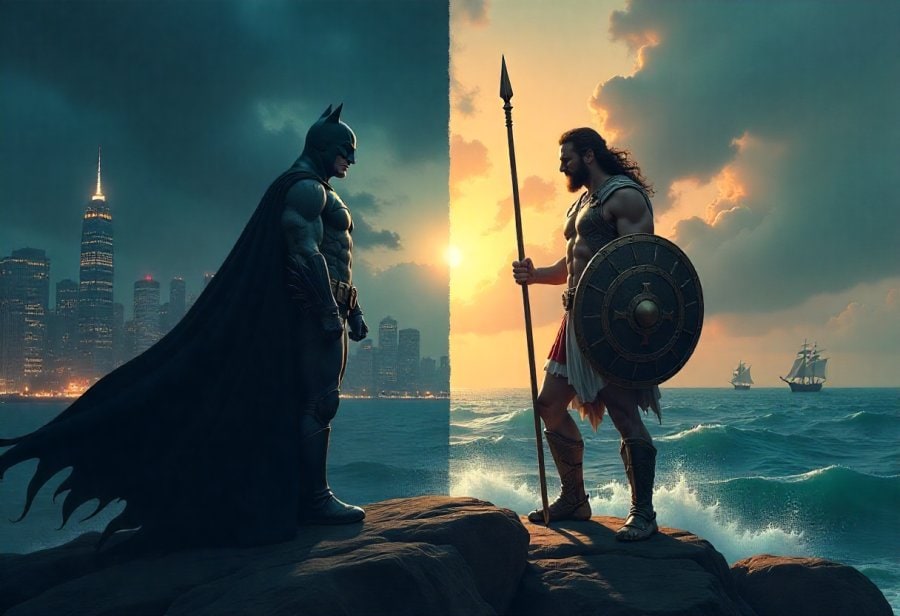
Throughout this exploration, it’s clear that hero archetypes like Odysseus and Batman serve as powerful reflections of their societies’ core values, fears, and aspirations. Odysseus embodies Greek ideals of cunning, resilience, and loyalty—traits that reinforced a culture rooted in divine favor and mastery over chaos. In contrast, Batman reflects modern societal concerns about justice, morality, and internal darkness, illustrating how hero stories adapt to contemporary anxieties. Despite the differences in setting and tone, both figures highlight that perseverance, strategic thinking, and human ambition remain central to hero narratives across eras.
What stands out is the way these archetypes reveal universal qualities that transcend specific cultures. Resilience and adaptability are constants, whether it’s Odysseus navigating mythical monsters or Batman confronting Gotham’s criminals. Their stories remind us that heroism often involves navigating complex moral terrains and overcoming adversity through ingenuity and persistence. These traits are not just reflective of individual strength but also serve as societal ideals that inspire collective resilience and hope.
Examining their origins further emphasizes how deeply cultural context influences hero stories. Odysseus’s traits stem from a society that revered divine intervention, loyalty, and cleverness—values reinforced through mythic adventures that emphasized divine mastery and human endurance. Meanwhile, Batman’s character was shaped by urban anxieties and moral ambiguity, emphasizing internal resilience and moral clarity. This shift from external divine battles to internal moral struggles underscores how cultural priorities evolve, yet the fundamental human qualities behind heroism remain consistent.
Looking ahead, there’s vast potential for further exploration into how emerging media and cultural shifts continue to reshape hero archetypes. Digital platforms, virtual reality, and global storytelling are broadening our understanding of heroism, making it more inclusive and complex. Future research could examine how these new formats influence perceptions of resilience, morality, and human ambition, possibly leading to new archetypes that reflect our interconnected, rapidly changing world. As societies become more diverse, hero stories are likely to incorporate a wider range of cultural perspectives, challenging traditional archetypes and fostering a richer, more nuanced understanding of heroism.
Understanding how hero archetypes influence personal identity and societal values offers meaningful insights for the future. Heroes like Odysseus and Batman have long shaped our ideas of perseverance and moral complexity, guiding how we confront challenges and ethical boundaries. As new stories emphasizing internal struggles and moral nuance emerge, they can inspire individuals to develop resilience and clarity in their own lives. Recognizing the evolving nature of hero archetypes highlights their enduring role as mirrors of human aspiration, offering hope and courage amid an uncertain future.
In the end, hero archetypes remain vital symbols of the human spirit’s enduring quest for greatness. They adapt to reflect cultural shifts yet preserve core qualities—resilience, strategy, and ambition—that resonate across time. These stories serve not only as cultural mirrors but also as sources of inspiration, encouraging us to face our own struggles with courage and resolve. As societies continue to evolve, so too will their heroes, continually embodying the universal human drive to overcome adversity and reach for something greater.