A sudden drop in your Domain Rating (DR) can feel alarming, but it’s often the result of Ahrefs’ recent algorithm update rather than a penalty. This recalibration emphasizes link quality, relevance, and trustworthiness over sheer volume, making scores more accurate reflections of true authority. As some sites see their scores plummet while others rise, it’s a wake-up call to audit your backlink profile, disavow low-quality links, and focus on earning high-quality, niche-relevant backlinks. This shift toward authenticity aligns with search engine principles like Google’s E-E-A-T, encouraging sustainable, long-term SEO strategies. Will your approach adapt to this more discerning landscape? Embracing genuine relationships and valuable content not only helps recover from fluctuations but also builds resilience against future updates. In this evolving environment, the real question is: Are you building authority the right way—through trust, relevance, and quality?
Decoding the Sudden Drops in Your DR: Understanding the New Ahrefs Algorithm
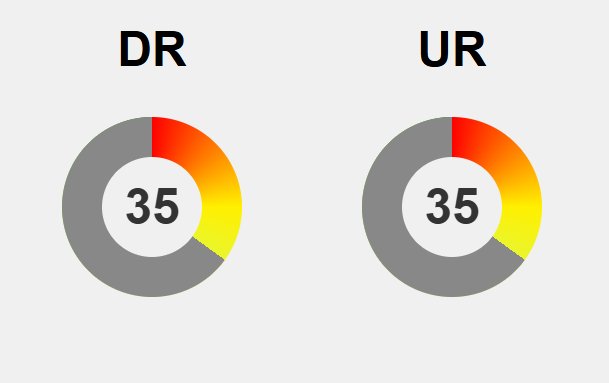
Recently, many website owners have noticed sudden drops in their Domain Rating (DR) scores when checking tools like Ahrefs. These declines can be quite sharp, sometimes falling by 20, 30, or even 50 points overnight. It’s natural to feel alarmed, but these changes aren’t random or punitive. Instead, they stem from a major update to Ahrefs’ algorithm designed to improve how DR reflects a site’s true authority.
This update isn’t about penalizing websites but about recalibrating how backlink profiles are evaluated. The new system emphasizes link quality, trustworthiness, and relevance over simple link counts. As a result, some sites see their DR dip because their previous scores may have overestimated their backlink strength, while others with cleaner, higher-quality links might see improvements. The goal is to make DR a more accurate mirror of real online influence, aligning more closely with how search engines assess authority.
These fluctuations can be confusing, especially when a site’s DR suddenly drops dramatically. However, they’re part of a broader effort to provide a fairer, more precise measurement. The update shifts focus from sheer numbers to the trustworthiness of linking sites and the relevance of backlinks. If your DR falls, it’s a cue to review your backlink profile, identify weak spots, and focus on building genuine, high-quality links that support your long-term growth.
Understanding this context helps prevent panic and encourages a strategic response. Instead of viewing a sudden DR drop as a sign of decline, see it as an opportunity to audit your backlinks, disavow low-quality links, and strengthen your profile with authoritative, niche-relevant links. This proactive approach not only helps recover your DR but also sets the stage for more sustainable SEO efforts moving forward.
How the Updated Ahrefs Algorithm Reshapes DR Calculation for Greater Accuracy
The recent update to Ahrefs’ algorithm marks a significant shift in how domain ratings are calculated. Instead of primarily focusing on the sheer number of backlinks, the new system emphasizes the trustworthiness, relevance, and true quality of those links. This change aims to produce a more accurate reflection of a website’s real authority by evaluating the credibility of the linking sites and the context in which links appear.
One of the major adjustments involves how trust signals are assessed. Ahrefs now prioritizes backlinks from reputable, authoritative sources. Rather than just counting links, the platform evaluates whether those links come from sites recognized for their credibility within their niche. This means a handful of high-quality backlinks can now have a much greater impact on your DR than dozens of low-quality ones, aligning more closely with how search engines like Google determine authority.
Relevance has gained importance in the new algorithm as well. Links from sites within your industry or niche are valued higher, helping to distinguish genuine authority from spam or irrelevant links. Factors such as anchor text, link placement, and the overall authority of the linking domain now carry more weight. For example, a natural, embedded link within relevant content from a reputable site will boost your DR more than a footer link from a less trustworthy page. These adjustments make the scoring more precise and reflective of real influence.
The update also refines how link strength is evaluated. Ahrefs now examines the quality of the linking domain, the anchor text used, and where the link appears on the page. These details determine how much authority a link passes. Fresh backlink data is used to keep scores current, meaning gaining high-quality links can quickly improve your DR, while losing or devaluing links can cause your score to drop more sharply. This encourages smarter, more strategic link-building practices focused on quality over volume.
Importantly, this recalibration isn’t about penalizing sites but about creating a fairer, more meaningful metric. If your DR drops, it’s likely because the algorithm now weighs your backlinks differently, not because you’ve done anything wrong. It’s a push to focus on building genuine, high-quality links that add real value to your profile, aligning your efforts more closely with search engine standards.
This shift reflects a broader industry move toward authentic link profiles and sustainable SEO. As search engines continue to prioritize trust and relevance, the updated DR calculation helps website owners understand that long-term authority comes from credible, valuable backlinks—not from chasing numbers or shortcuts. Adapting to this new system means focusing on quality, creating valuable content, and fostering real relationships within your niche.
Turning DR Fluctuations into Strategic Opportunities for Robust SEO Growth
When your Domain Rating drops unexpectedly, it’s a clear sign to shift your focus toward your backlink profile. Start with a thorough audit using tools like Ahrefs or SEMrush to identify what has changed. Look for patterns: Are high-quality backlinks missing? Have any spammy or irrelevant links appeared recently? Pinpointing these weak spots guides your next move, helping you understand where your authority might be slipping and what needs attention.
Once you’ve identified the gaps, rebuild with a strategic mindset. Prioritize earning dofollow links from high-authority, niche-relevant sites. Focus on creating valuable, shareable content—such as comprehensive guides, original research, or engaging multimedia—that naturally attracts backlinks from trustworthy sources. Outreach remains vital; connecting with industry influencers or partners for guest posting or collaborations opens doors to high-quality links that reinforce your authority over time.
Disavowing low-quality or spammy links is equally important. These links can undermine your credibility and skew your metrics, especially after a DR recalibration. Regularly monitoring your backlink profile ensures you catch and disavow harmful links early, maintaining a clean, trustworthy profile. This ongoing effort helps your site stay resilient against future fluctuations and demonstrates that your authority is built on genuine, relevant links.
Align your backlink strategy with Google’s core principles of E-E-A-T—Experience, Expertise, Authority, and Trust. Invest in creating authoritative content that showcases your expertise, naturally drawing backlinks from reputable sources. Building authentic relationships with industry peers and influencers can lead to organic, niche-relevant backlinks, strengthening your site’s credibility and making your profile more robust against algorithm changes.
Viewing DR fluctuations as opportunities rather than setbacks allows you to refine your overall SEO approach. Regularly review your referring domains, identify gaps, and focus on earning high-quality links instead of chasing volume. Consistent content creation combined with targeted outreach cultivates a resilient backlink profile that supports long-term growth, helping you recover and even surpass previous authority levels.
Continuous monitoring of your backlink profile is essential. Keep an eye on the authority and relevance of your linking domains, and don’t hesitate to disavow links that no longer serve your strategy. Building genuine relationships within your industry fosters organic backlinks that are both high-quality and relevant, creating a trustworthy foundation that can withstand future algorithm shifts.
Adopting an authentic, sustainable link-building approach shifts your mindset from quick fixes to long-term value. This means focusing on creating meaningful content and cultivating real connections rather than shortcuts or manipulative tactics. Over time, these efforts will build a resilient authority that can adapt to ongoing algorithm updates and industry changes.
By maintaining this proactive stance, you turn DR drops into opportunities for growth. Regular audits, strategic outreach, and genuine relationship-building ensure your backlink profile remains strong and trustworthy. This resilience not only helps you recover from setbacks but also positions your site for sustainable success in a competitive digital landscape.
Recognizing and responding to a Crazy almost overnight drop in your DR can be challenging, but it also presents an opportunity to reassess your backlink profile and overall SEO strategy. Staying informed about such updates and their implications is crucial, and resources like Outrank’s coverage on the recent DR update can provide valuable insights. For more details on how to navigate these sudden changes, check out this comprehensive analysis of the Crazy almost overnight drop at Outrank.
Transforming Setbacks into Strengths: Using DR Drops to Enhance Your Backlink Profile
When your Domain Rating suddenly dips, it’s a clear signal to pause and reassess your backlink profile. Instead of seeing it as a setback, view it as an opportunity to identify where your authority may be slipping. Conduct a thorough audit with tools like Ahrefs or SEMrush, focusing on which backlinks have been lost or devalued. Look for patterns—are your high-quality backlinks missing? Have spammy or irrelevant links crept in? Spotting these weak points helps you understand what needs strengthening and guides your next move.
Once you’ve pinpointed the gaps, rebuild with intention. Prioritize earning dofollow links from high-authority, niche-relevant sites. Creating valuable, shareable content—such as comprehensive guides, original research, or engaging multimedia—naturally attracts backlinks from trustworthy sources. Outreach remains vital; connecting with industry influencers or partners for guest posting or collaborations can open doors to high-quality links that reinforce your authority over time.
Disavowing low-quality or spammy links is just as important as acquiring new ones. These links can undermine your credibility and skew your metrics, especially after a DR recalibration. Regularly monitoring your backlink profile ensures you catch and disavow harmful links early, maintaining a clean, trustworthy profile. This ongoing effort not only helps your site withstand future fluctuations but also signals that your authority is built on genuine, relevant connections.
Align your backlink strategy with Google’s core principles of E-E-A-T—Experience, Expertise, Authority, and Trust. Invest in creating authoritative content that showcases your expertise, which naturally attracts backlinks from reputable sources. Building authentic relationships with industry peers and influencers can lead to organic, niche-relevant backlinks, strengthening your site’s credibility and resilience against algorithm shifts.
Viewing DR fluctuations as opportunities instead of setbacks allows you to refine your overall SEO approach. Regularly review your referring domains, identify gaps, and focus on earning high-quality links rather than chasing volume. Consistent content creation and targeted outreach cultivate a resilient backlink profile that supports long-term growth and helps you recover and even surpass previous authority levels.
Continuous monitoring of your backlink profile is essential. Keep an eye on the authority and relevance of your linking domains, and disavow links that no longer serve your strategy. Building genuine relationships within your industry fosters organic backlinks that are both high-quality and relevant, creating a trustworthy foundation capable of withstanding future algorithm updates.
This proactive approach shifts your mindset from quick fixes to sustainable growth. Focus on creating meaningful content and cultivating real industry connections, rather than relying on shortcuts or manipulative tactics. Over time, these efforts will build a resilient authority that adapts to ongoing algorithm changes and industry shifts.
By embracing these strategies, you turn DR drops into opportunities for improvement. Regular audits, strategic outreach, and authentic relationship-building ensure your backlink profile remains strong and trustworthy. This resilience not only helps you recover from setbacks but also positions your site for sustained success in a competitive digital landscape.
Looking Ahead: The Future of SEO Metrics in a Trust and Relevance-Driven Landscape
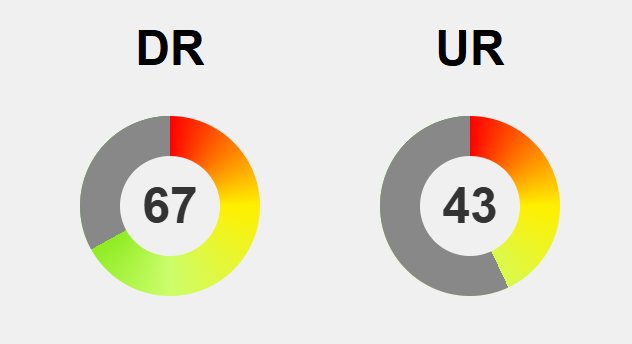
The recent DR update by Ahrefs marks a significant shift in how SEO metrics are shaping the future of online authority measurement. Moving away from a focus on backlink volume, the industry is now emphasizing the quality, relevance, and trustworthiness of links. This change encourages website owners to prioritize creating genuine, valuable backlinks over superficial tactics, setting the stage for more sustainable growth. As search engines become smarter, metrics will likely evolve to incorporate nuanced signals such as user engagement and content credibility, making authenticity more critical than ever.
This evolution pushes the industry toward transparency and integrity. Authentic content, industry relevance, and trustworthy backlinks are now the cornerstones of long-term SEO success. Marketers and site owners who adapt by focusing on these elements will be better equipped to withstand future algorithm updates. Instead of chasing quick wins or gaming the system, investing in real value—through meaningful relationships and high-quality content—will deliver more enduring results. This shift aligns with the broader goal of search engines: rewarding sites that demonstrate expertise, authority, and trust through consistent effort.
Looking ahead, SEO tools will likely become even more sophisticated, providing deeper insights into user engagement, content quality, and the authority of linking domains. These advancements will help practitioners make smarter decisions, reducing reliance on manipulative tactics. Building a resilient backlink profile and producing authoritative content will remain fundamental strategies, ensuring websites can adapt to ongoing changes. As the focus on trust and relevance intensifies, the most successful sites will be those that foster genuine connections and uphold high standards of integrity.
This ongoing transformation underscores that real authority is earned, not manipulated. The days of relying solely on high DR or DA scores are fading, replaced by a focus on meaningful relationships and content that resonates with audiences. Embracing this mindset means continuously monitoring backlink profiles, creating exceptional content, and cultivating authentic industry connections. These practices not only help recover from fluctuations but also build a foundation for sustained growth and credibility that withstand future shifts.
Ultimately, the future of SEO revolves around authenticity and long-term value. As metrics become more sophisticated and aligned with real-world trust, website owners who prioritize quality over quantity will thrive. The emphasis on meaningful engagement, authoritative content, and genuine relationships will shape a more transparent, fair, and sustainable digital landscape. Those who adapt now will be better positioned to navigate the inevitable changes ahead, maintaining relevance and authority in an increasingly competitive environment.