As urban areas grapple with rising flood risks amid climate change and rapid development, could permeable pavers hold the key to smarter water management? These eco-friendly surfaces allow rainwater to naturally seep into the ground, reducing runoff, preventing street flooding, and supporting groundwater recharge—yet their adoption remains cautious due to higher initial costs and maintenance concerns. Cities that have embraced permeable paving, like Portland and Melbourne, demonstrate notable improvements in stormwater control, safety, and urban aesthetics. Beyond flood mitigation, these surfaces enhance environmental health by filtering pollutants and cooling urban heat islands, transforming ordinary streets into vibrant, sustainable spaces. Are we on the cusp of a new standard in urban planning that balances resilience, beauty, and ecological responsibility? With continued innovation and growing environmental awareness, permeable pavers may soon become essential in building resilient, more livable cities for the future.
Contents
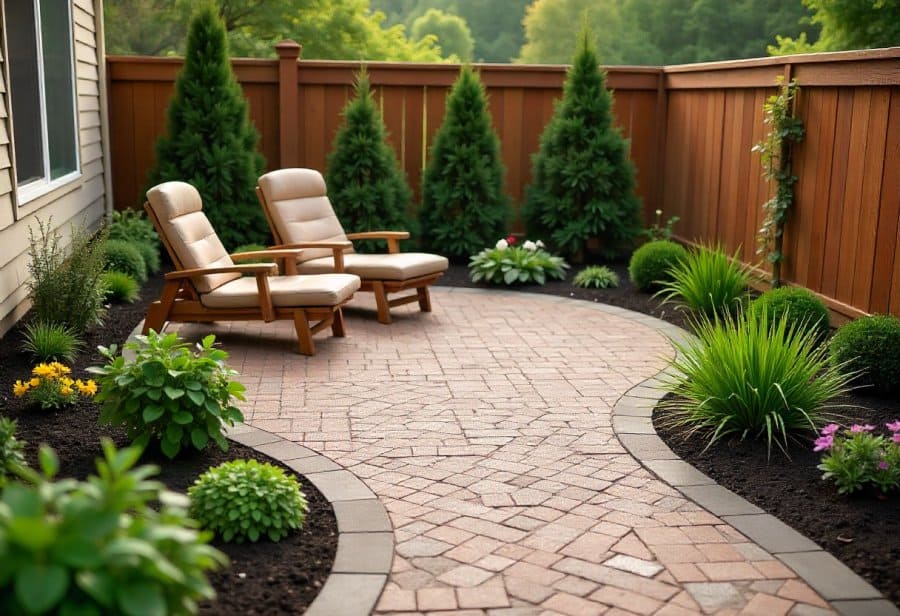
Transforming Urban Water Management with Permeable Pavers
Urban areas are facing an increasing challenge: how to manage heavy rainfall and prevent flooding as cities expand and climate patterns shift. Traditional solutions like underground pipes and concrete channels often struggle to keep up with the growing volume of water, leading to overwhelmed infrastructure and water pooling on streets. This situation emphasizes the need for smarter, more sustainable flood prevention methods that work with nature rather than against it.
Permeable pavers have emerged as a promising answer. These surfaces are designed to let rainwater pass through their porous structures, naturally infiltrating the ground instead of running off into stormwater systems. By doing so, they reduce surface runoff, helping to prevent street flooding while supporting groundwater recharge. This process not only manages water more effectively but also filters pollutants, contributing to healthier urban waterways.
The development of permeable paving has come a long way. Early versions were simple porous materials suitable for small projects, but growing environmental awareness and urban flooding issues pushed innovation. Today’s permeable pavers feature layered, durable designs capable of handling large-scale applications like streets and parking lots, making them a practical component of modern city planning.
Unlike traditional concrete and asphalt, which are entirely impervious, permeable pavers promote on-site water absorption. This shift in design helps cities reduce their reliance on costly stormwater infrastructure, decrease pollution, and mitigate the effects of heavy rains. As climate change leads to more frequent and intense storms, the importance of integrating permeable surfaces into urban landscapes becomes clearer.
Adopting permeable pavers signals a move toward more resilient and eco-friendly cities. They offer a natural, effective way to handle water, protect property, and create healthier environments. As awareness increases, these surfaces are becoming an essential part of sustainable urban development, helping communities adapt to the water challenges of the future.
Foundations of Permeable Paving: Environmental Benefits and Mechanisms
Permeable pavers are specially designed surfaces that allow rainwater to pass through their structure and seep into the ground below. Made from porous materials like permeable concrete, gravel, or interlocking units, these pavers are engineered to strike a balance between durability and water permeability. Their main role in water management is to reduce surface runoff by enabling rainwater to naturally infiltrate the soil, helping recharge groundwater supplies and easing the load on urban stormwater systems.
The mechanism behind permeable pavers involves tiny pores or gaps within the surface layer that facilitate water movement. Unlike traditional paving materials such as concrete or asphalt, which are completely impervious and cause water to pool or flow rapidly off-site, permeable pavers promote on-site infiltration. This process not only prevents flooding but also filters out pollutants like oils, sediments, and heavy metals as water passes through, leading to cleaner runoff and healthier waterways.
Over recent decades, the development of permeable paving has advanced considerably. Early versions focused on simple porous materials suitable for small-scale projects, but growing concerns about urban flooding and environmental health drove innovation. Modern permeable pavers incorporate layered designs, eco-friendly materials, and interlocking features that enhance their strength and longevity, making them suitable for large applications like streets, parking lots, and public spaces. These improvements have made permeable paving a viable and attractive option for sustainable urban infrastructure.
Traditional surfaces like concrete and asphalt are entirely impervious, contributing to water pooling, flooding, and increased runoff that overwhelms existing stormwater systems. In contrast, permeable pavers enable rainwater to seep into the ground where it can naturally recharge aquifers and be filtered along the way. This fundamental difference makes permeable paving a more environmentally friendly choice, reducing urban flooding risks, improving water quality, and cooling urban heat islands.
Following industry standards and best practices is vital for ensuring permeable pavers function effectively over time. Proper installation—including site assessment, suitable material selection, and correct sub-base preparation—maximizes permeability and durability. Routine maintenance, such as regular cleaning of pores and removing debris, helps prevent clogging and preserves the system’s water infiltration capabilities, ensuring long-term environmental benefits.
As cities face increasing pressure from climate change and urban sprawl, permeable pavers stand out as a practical, sustainable solution. They turn everyday surfaces into active participants in flood prevention, groundwater recharge, and pollution reduction. This foundation of knowledge underscores how permeable paving not only manages water more effectively but also supports healthier, more resilient urban environments.
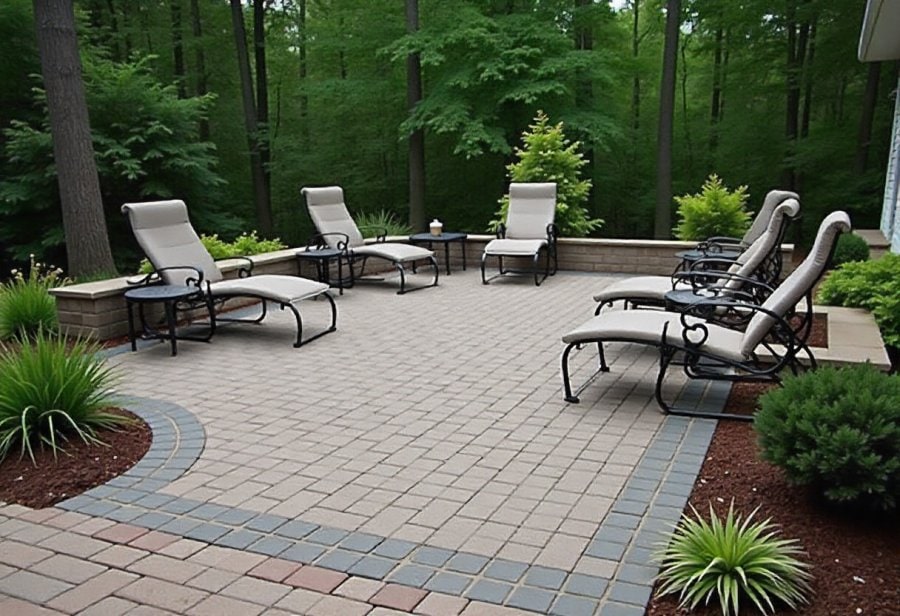
Adoption and Effectiveness: Current Trends in Urban Permeable Paver Use
Permeable pavers are gradually gaining ground in urban environments, but their adoption still trails behind traditional surfaces like concrete and asphalt. Cities facing frequent flooding or heavy rainfall are leading the charge, integrating permeable materials into parking lots, streets, and public spaces to test their effectiveness. Evidence from recent studies shows that in areas where permeable pavers have been installed, there’s a noticeable reduction in surface runoff and improved water infiltration during storms. These urban projects demonstrate that permeable paving can make a tangible difference in flood mitigation efforts.
Despite these promising results, widespread adoption faces several hurdles. Higher initial costs and concerns about maintenance often slow progress. Many city planners and property owners remain cautious, unsure about long-term durability or the need for routine upkeep. This hesitation persists even though early success stories, such as those in Portland and parts of the Netherlands, highlight significant benefits like decreased flooding and healthier waterways.
Progress is steady but cautious. Some municipalities now offer incentives or grants to encourage the shift toward sustainable, permeable solutions. Advances in materials and construction techniques continue to improve affordability and durability, making permeable pavers more appealing for larger projects. As climate change increases the frequency of heavy storms, the case for wider use grows stronger, prompting more communities to consider this eco-friendly option.
Research indicates that permeable pavers can deliver real results when integrated into urban infrastructure. They help relieve the burden on aging stormwater systems, reduce water pooling on streets, and improve water quality by filtering pollutants. The evidence suggests that cities investing in permeable paving now are better prepared to handle future water challenges, protecting property and public safety.
However, the pace of adoption remains gradual. Many cities remain reliant on traditional, impervious surfaces due to familiarity and upfront costs. Still, the momentum is shifting as awareness of environmental and economic benefits spreads. As more successful case studies emerge and technology advances, permeable pavers are poised to become a standard feature in urban water management strategies.
The current landscape shows potential for permeable pavers to transform urban flood control. While still in a growth phase, their proven effectiveness, coupled with increasing climate pressures, makes a compelling argument for broader implementation. Cities that embrace this shift now are setting the stage for more resilient, sustainable communities in the years ahead.
As cities look for sustainable solutions to manage stormwater, permeable pavers also offer the added benefit of promoting groundwater recharge and water filtration. Implementing these surfaces can help restore natural hydrological cycles while reducing urban runoff, making them a valuable tool in comprehensive water management strategies. To learn more about how permeable pavers effectively mitigate urban flooding risks, visit Permeable pavers effectively mitigate urban flooding risks and see the latest research on their benefits.
Balancing Costs and Benefits: The Financial Case for Permeable Surfaces
Installing permeable pavers does come with a higher upfront cost compared to traditional concrete or asphalt surfaces. The materials themselves are more expensive due to their porous design and the need for specialized components. Additionally, the installation process often requires extra preparation, such as constructing a proper base layer to maintain permeability, which can add to labor costs and planning time. However, this initial investment is just one part of the story.
Over the long term, permeable pavers often deliver significant savings. By reducing runoff and easing the load on stormwater systems, they help municipalities avoid costly infrastructure upgrades and repairs. Their ability to filter pollutants during infiltration also cuts down on water treatment expenses, providing environmental benefits that translate into financial savings for communities and property owners alike. Fewer flood-related damages and lower maintenance needs further enhance their economic appeal.
Incentives and grants aimed at promoting sustainable infrastructure can offset some of the higher installation costs. Many regions recognize the value of green solutions and offer financial support to encourage adoption. Modular designs and innovative materials are also making permeable pavers more affordable and easier to install, which helps shift perceptions around initial expenses.
Durability is another key factor. Advances in material technology have improved the strength and weather resistance of permeable pavers, meaning they often last longer and require less frequent replacement than traditional surfaces. This resilience reduces ongoing costs and maintenance efforts, reinforcing their position as a cost-effective choice over time.
When considering the broader financial picture, the benefits of permeable paving extend beyond direct savings. They contribute to safer, more resilient communities by mitigating flood risks and minimizing property damage. As climate change drives more intense storms, investing in these surfaces now can prevent future expenses and protect assets.
While the initial costs may give some pause, the long-term economic advantages are clear. Permeable pavers not only support sustainable urban water management but also deliver tangible financial returns, making them a smart investment for cities and property owners committed to building a more resilient future.
Real-World Impacts: How Permeable Pavers Are Changing City Life
Permeable pavers are already making a noticeable difference in urban neighborhoods, demonstrating how sustainable infrastructure can improve daily life. In Portland, Oregon, a parking lot upgrade with permeable surfaces has significantly reduced water pooling after storms, making the area safer and more accessible during heavy rains. This simple change helps prevent flooding and creates a more welcoming environment for residents and visitors alike.
Similarly, a schoolyard in Melbourne was transformed into a permeable plaza that effectively manages stormwater while serving as a vibrant community space. During rainy periods, water is absorbed and dispersed through the porous surface, preventing puddles and flooding. This not only protects infrastructure but also encourages outdoor activities, turning the space into a lively gathering spot for students and families.
In many neighborhoods, permeable surfaces keep streets and sidewalks clear during storms. By allowing rain to seep into the ground instead of pooling on the surface, these materials reduce street flooding and water damage. This is especially crucial in flood-prone areas, where traditional paving often worsens pooling issues. Installing permeable pavers turns everyday streets into active parts of flood prevention, helping communities stay resilient and safe.
Beyond their practical benefits, permeable pavers enhance urban aesthetics. They can be designed to blend seamlessly with green spaces, transforming concrete jungles into inviting environments. Parks, plazas, and walkways made with these surfaces create a more natural, vibrant cityscape, encouraging outdoor use and community engagement. Proper maintenance and community awareness ensure these benefits endure, making permeable pavers a lasting feature that elevates both function and visual appeal.
These real-world examples show that permeable pavers do more than manage water—they transform urban spaces into safer, greener, and more attractive places to live. By turning water management into an opportunity for beautification and resilience, they help cities adapt to climate challenges while fostering stronger community connections. As more cities witness these tangible improvements, permeable paving is poised to become a standard tool in building smarter, more sustainable urban environments.
Transform Your Toronto Outdoor Space with Expert Landscaping Solutions
Discover the difference Toronto Landscape & Design can make for your outdoor space. Our award-winning designers take everything into consideration to create stunning water gardens, natural stone features, irrigation systems, and retaining walls that enhance your property. Whether you’re looking to reduce backyard flooding or craft a beautiful retreat, we tailor our services to meet your needs. Based in Toronto, our team specializes in professional landscaping that elevates your home’s curb appeal and functionality. Contact us at https://TorontoLandscapeDesign.com or call 1.416.644.0499 to start transforming your outdoor environment today.
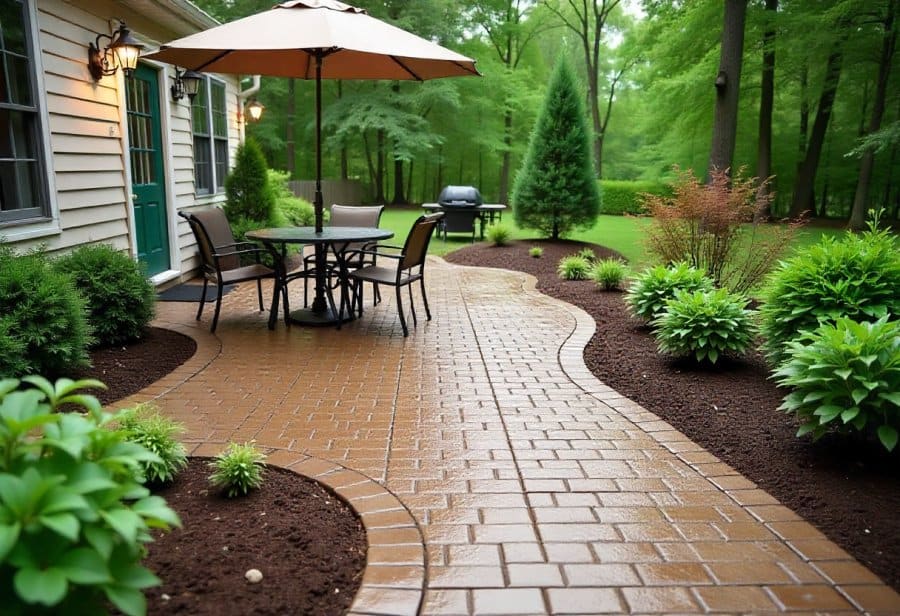
Sustainable and Beautiful: Environmental and Aesthetic Advantages of Permeable Pavers
Permeable pavers do more than just manage stormwater—they actively enhance the health and beauty of urban environments. By allowing rainwater to seep naturally into the ground, these surfaces support groundwater recharge, helping to replenish aquifers that sustain cities during dry periods. This process ensures a more stable underground water supply, vital for maintaining urban ecosystems in the face of increasing climate variability.
As rain passes through the porous layers of permeable pavers, pollutants like oils, sediments, and heavy metals are naturally filtered out. This filtration improves water quality before it reaches waterways, reducing the burden on municipal treatment plants and helping to keep rivers and lakes cleaner. In turn, healthier waterways support vibrant ecosystems and better water resources for communities.
Beyond their environmental benefits, permeable pavers significantly boost the aesthetic appeal of cities. They can be designed to blend seamlessly with green spaces, transforming dull concrete or asphalt into vibrant, inviting areas. Parks, plazas, and walkways made with these surfaces create a natural look that encourages outdoor activity and social interaction, making urban spaces more lively and welcoming.
Permeable paving also counters the urban heat island effect. Unlike traditional materials that absorb and radiate heat, permeable surfaces tend to stay cooler, making streets and sidewalks more comfortable during hot weather. This cooling effect not only improves pedestrian comfort but can also reduce energy costs for nearby buildings, contributing to overall urban sustainability.
Incorporating permeable pavers reflects a shift toward smarter, greener city planning. They turn ordinary surfaces into active water management tools that protect property, improve water quality, and enhance visual appeal. These surfaces demonstrate that sustainable urban design can be both functional and beautiful, fostering resilient communities that are better prepared for future environmental challenges.
Ultimately, permeable pavers deliver a harmonious blend of environmental stewardship and aesthetic value. They help cities thrive by integrating natural processes into everyday infrastructure, creating spaces that are not only more resilient but also more attractive. As urban areas continue to grow and face climate pressures, these surfaces offer a compelling path toward greener, more livable cities.