Electricians are the unseen architects of our home’s safety and reliability, transforming chaos into organized power systems with precision and craftsmanship. How do these skilled professionals master the delicate balance between safety standards and complex wiring? From interpreting blueprints to meticulously installing circuits, they ensure every connection adheres to strict codes like the NEC, minimizing risks such as overheating and electrical shocks. Their expertise extends beyond technical know-how to strategic planning—routing wires neatly, labeling systems clearly, and troubleshooting swiftly when issues arise. As homes become smarter and more connected, electricians face new challenges, integrating renewable energy sources and advanced automation. Their ongoing education and adaptive skills are vital for maintaining safe, efficient systems amid rapid technological change. Will future innovations redefine what it means to craft dependable home power? One thing remains certain: their craftsmanship is the foundation of safe, reliable living in an evolving world.
Jump To Section
Unseen Heroes: The Vital Role of Electricians in Home Safety and Reliability
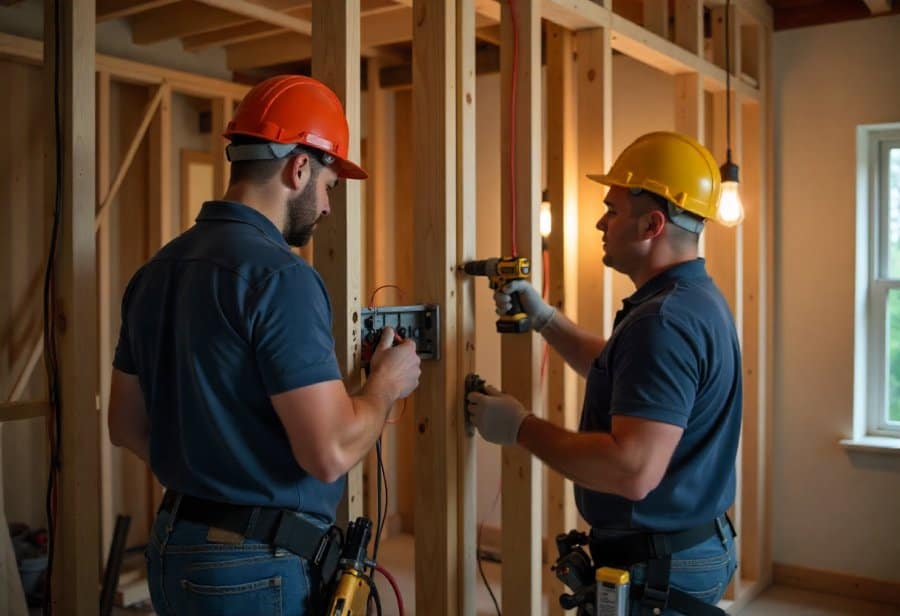
Electricians are the unseen heroes behind every safe and reliable home. Their work involves more than just connecting wires; it’s about creating a dependable electrical system that protects families and keeps daily life running smoothly. From interpreting blueprints to tightening connections, electricians blend technical skill with craftsmanship to ensure safety and efficiency in every project.
Their expertise starts with a solid understanding of electrical principles and safety standards. Knowing how circuits operate, reading detailed diagrams, and selecting the right materials are essential steps to prevent future issues. This knowledge allows them to design systems that are both efficient and safe, reducing risks like overheating, shorts, or electrical shocks down the line.
Tools and techniques are vital to their craft. Electricians rely on specialized equipment such as voltage testers, wire strippers, and diagnostic devices to verify every connection. Proper use of these tools not only enhances accuracy but also minimizes hazards, ensuring that each system is built to last and operate safely. Their ability to troubleshoot quickly and methodically keeps systems running smoothly, even when unexpected problems appear.
Safety isn’t just about tools—it’s woven into every stage of their work. Electricians follow strict safety protocols, adhere to building codes like the NEC, and stay updated with ongoing training. This disciplined approach involves double-checking connections, verifying grounding, and conducting thorough testing to catch potential issues before they become hazards. It’s this attention to detail that transforms complex wiring into a safe, reliable network.
Their craftsmanship turns chaos into order. Good wiring starts with careful planning—mapping out circuits and routing wires strategically to prevent overloads and future faults. During installation, they run wires neatly, securing them within walls or conduits, which makes future maintenance easier and reduces risks of damage or short circuits. Proper labeling and documentation further ensure that systems can be easily inspected or upgraded later, maintaining long-term safety.
Electricians also troubleshoot and repair with precision. When faults occur, they systematically diagnose problems, whether it’s a faulty breaker or a hidden wiring issue. Their ability to quickly identify and address problems prevents hazards from escalating, ensuring homes remain safe and systems stay reliable over time.
In essence, electricians turn complex, chaotic wiring into organized, dependable power systems. Their skill, vigilance, and craftsmanship form the foundation of home safety, powering our lives securely and efficiently every day.
Mastering Skills and Knowledge to Safeguard Electrical Systems
Electricians need a strong foundation of technical skills to perform their work safely and reliably. Understanding how electrical circuits operate, reading blueprints accurately, and choosing the right materials are essential tasks. This knowledge helps them design systems that meet safety standards while functioning efficiently, reducing the likelihood of future problems caused by improper wiring or faulty components.
Safety awareness is just as critical as technical expertise. Electricians must stay alert to potential hazards such as live wires, loose connections, or overloaded circuits. Recognizing these risks early allows them to handle dangerous situations calmly and correctly, preventing accidents or injuries on the job. Using protective gear and following strict safety procedures are integral parts of their daily routine.
Mastery of tools and equipment further elevates their ability to work safely. Electricians depend on specialized tools like wire strippers, voltage testers, and diagnostic devices to ensure precision. Proper handling of these tools not only improves accuracy but also significantly reduces hazards like electrical shocks or short circuits. Skillful use of equipment is key to maintaining high safety standards throughout each project.
Problem-solving skills are crucial when unexpected issues arise. Faulty wiring, hidden damage, or code violations require quick and accurate diagnosis. Electricians rely on a logical mindset, patience, and attention to detail to troubleshoot effectively. Addressing problems promptly prevents hazards from escalating and ensures the system remains safe and reliable over time.
Ongoing education keeps electricians at the forefront of safety standards and technological advancements. Regular training, certifications, and seminars help them stay updated with the latest codes and best practices. This continuous learning enables them to work confidently with emerging systems like smart home devices or energy-efficient setups, ensuring safety is never compromised.
In addition, understanding the importance of precise system planning is vital. Electricians carefully map out circuits and routes for wiring, ensuring balanced load distribution and reducing overload risks. Their ability to plan meticulously results in safer installations that are easier to maintain and troubleshoot later.
Ultimately, mastery of technical skills combined with vigilant safety practices forms the backbone of reliable electrical work. Electricians who continually develop their expertise and adhere to safety protocols create systems that stand the test of time, safeguarding homes and families alike.
Expert Electrical Services for Your Greater Toronto Area Home
North York Electricians (NYE) offers top-tier Professional electrical installation and residential electricians specializing in the Greater Toronto Area. Our comprehensive services include residential wiring and installation, lighting design and upgrades, and electrical repairs and troubleshooting. We excel in installing and configuring smart switches, thermostats, security systems, and home automation solutions to make your home smarter and more energy-efficient. Upgrade to eco-friendly LED lighting, energy-saving panels, and sustainable electrical designs with our expert team. Whether you need a home wiring service or lighting and electrical service, NYE is your trusted partner for quality and reliable electrical solutions. Contact us today at call (416) 508-0206 or visit electriciansnorthyork.com to learn more.
Adherence to Standards: Ensuring Safety and Compliance in Every Installation
Electricians play a crucial role in ensuring that every home’s electrical system not only functions properly but also adheres strictly to safety standards. Their work begins with a thorough understanding of current building codes, such as the National Electrical Code (NEC), which sets clear guidelines for wiring sizes, grounding, and circuit protection. By carefully reviewing these standards before starting any project, electricians ensure their installations meet all legal and safety requirements from the outset.
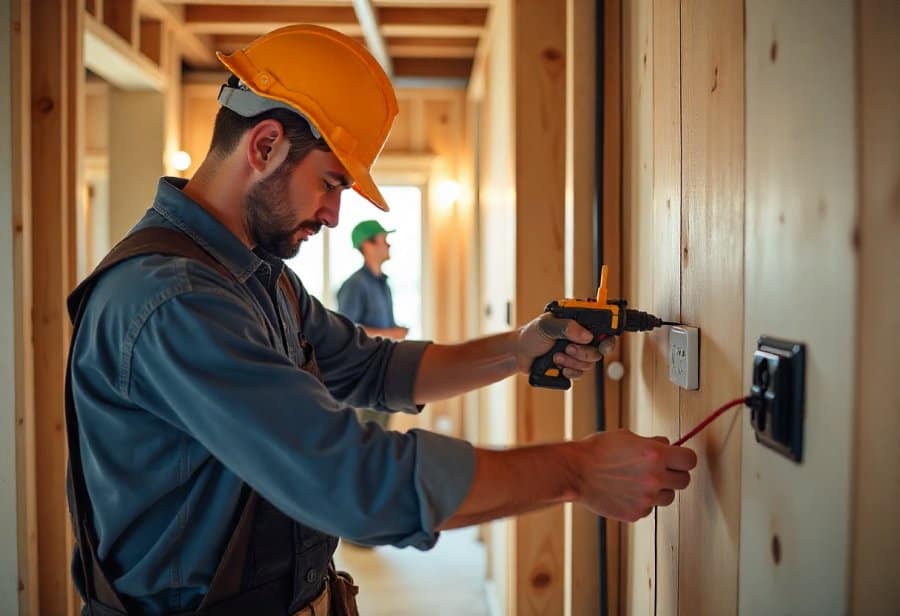
During installation, attention to detail is paramount. Electricians double-check each connection, making sure wires are securely attached and routed correctly. They verify proper grounding and placement of outlets and switches, always using approved materials and tools. This meticulous approach helps prevent issues like overheating, shorts, or electrical shocks, safeguarding residents and extending the system’s lifespan.
Testing is an essential step that confirms the safety and reliability of the system. Electricians utilize specialized tools such as circuit analyzers and testers to verify that circuits are de-energized before work begins and to confirm that connections meet safety standards once completed. These tests help identify loose wires, insulation issues, or grounding problems that could pose risks if left unaddressed.
Troubleshooting forms another critical aspect of their safety responsibilities. When faults or anomalies arise, electricians systematically diagnose problems, whether it’s a faulty breaker, damaged wiring, or incorrect connections. Addressing these issues promptly prevents hazards from escalating and ensures the system continues to operate safely over time.
Staying current with evolving safety standards and technological updates is vital. Continuous education through certifications, seminars, and training programs ensures electricians are familiar with the latest codes and best practices. This ongoing learning allows them to work confidently with new systems—like smart home integrations or energy-efficient devices—while maintaining high safety standards.
Electricians also emphasize proper documentation throughout each project. They record detailed diagrams and notes that serve as references for future inspections or upgrades. This organized approach not only facilitates maintenance but also ensures ongoing compliance with safety regulations, reducing the risk of overlooked issues.
By following these rigorous practices, electricians transform complex wiring into safe, well-organized systems. Their commitment to safety and compliance creates a reliable foundation for homes, protecting families and ensuring that every electrical installation stands up to the demands of daily life.
Staying informed about the latest safety standards is essential for electricians to ensure compliance and safety. For more insights into the essential guidelines, you can explore the topic of Electrical safety standards and codes for residential wiring. This knowledge helps professionals maintain the highest safety standards in every project they undertake.
Transforming Chaos into Order: Crafting Dependable Power Networks
Electricians are the artists of order within the often chaotic world of home wiring. Their role goes far beyond simply running cables; it’s about designing systems that are logical, organized, and built to last. A key part of this process begins with careful planning—understanding the specific needs of a home and developing a layout that distributes power efficiently while minimizing risks. By mapping out circuits and routing wires strategically, electricians create blueprints that balance safety with functionality, reducing overloads and the potential for future faults.
Once the plan is set, electricians focus on precise execution. They run wires along predetermined paths, securing them neatly within walls, conduits, or panels. This organized approach isn’t just about aesthetics; it’s about safety and ease of maintenance. Properly routed wires decrease the chance of accidental damage during renovations and help prevent overheating or loose connections that could lead to fires or system failures. Electricians double-check every connection, ensuring everything is tight and secure before moving on.
Labeling and documenting their work is another crucial step in transforming chaos into dependable power. Electricians produce detailed diagrams and records, which serve as maps for future troubleshooting or upgrades. When problems crop up later, this organized approach allows them to quickly identify and fix issues without guesswork, saving time and reducing risks. Their meticulous methods ensure that the wiring remains reliable over the long haul, preventing unexpected breakdowns or hazards.
Handling complex wiring projects demands a high level of skill and adaptability. Electricians often work in confined spaces or behind walls, where visibility is limited. They rely on advanced tools like infrared cameras and specialized cable pulls to manage these challenges safely. Their ability to troubleshoot on the fly and adapt to unforeseen obstacles keeps the work process smooth and safe, protecting both the system and those involved.
Coordination with other trades, such as plumbers or carpenters, is essential for keeping wiring organized within larger projects. Electricians plan their work to avoid conflicts and ensure seamless integration of various systems. This collaborative approach not only saves time and money but also results in a safer, more reliable home infrastructure. Their craftsmanship turns complex, potentially chaotic wiring into a dependable network that powers daily life without disruption.
Future of Electrical Safety: Embracing Innovation and Continuing Excellence
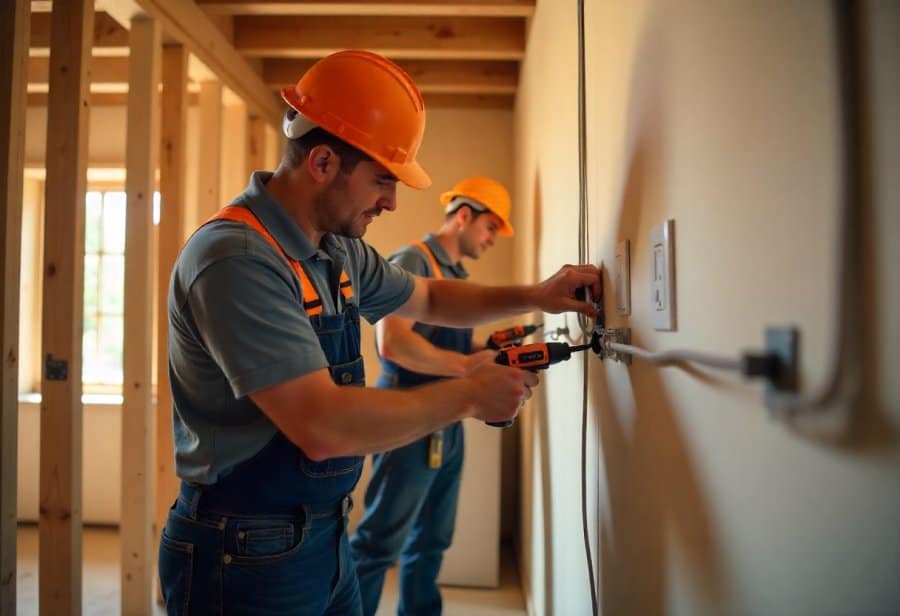
As homes become smarter and more connected, the role of electricians in maintaining safety and craftsmanship grows even more vital. Their expertise must keep pace with rapid technological advances, from smart systems to energy-efficient solutions. Continuous education, certifications, and staying up-to-date with evolving codes ensure electricians can confidently install and troubleshoot new systems without compromising safety or reliability. This ongoing learning process is essential to adapt to innovations like integrated automation, renewable energy setups, and advanced security networks.
Looking ahead, integrating renewable energy sources such as solar panels and home batteries introduces fresh wiring challenges. Electricians will need specialized knowledge to design systems that meet safety standards while maximizing efficiency. As homes incorporate more connected devices and data transfer capabilities, standards for automation and smart device integration will become increasingly important. Electricians’ ability to navigate these emerging requirements will shape the future landscape of residential wiring, blending safety with cutting-edge technology.
Emerging tools, like automation-assisted diagnostics and artificial intelligence, promise to revolutionize troubleshooting. These innovations could enable electricians to identify faults early, often before residents notice any issues, significantly reducing hazards. The focus will remain on maintaining high safety standards even as systems grow more complex, demanding that electricians continuously refine their skills and embrace new tools. Their capacity for quick adaptation will be crucial in ensuring that safety is never compromised amid technological progress.
Despite the rapid pace of change, the core principles of good electrical craftsmanship remain unchanged. Thoughtful planning, meticulous wiring, and strict adherence to safety standards continue to underpin trustworthy systems. Investing in quality materials, certified tools, and ongoing training helps ensure installations are durable and safe over time. These fundamentals serve as the foundation for reliable home systems, regardless of how advanced or interconnected future technologies become.
Homeowners also play a key role in ensuring ongoing safety. Choosing licensed professionals for installations and regular inspections helps uphold safety standards amid evolving systems. Preventive maintenance and early detection of issues extend the lifespan of electrical systems and prevent hazards. Building a collaborative relationship with skilled electricians ensures that homes stay protected, powered efficiently, and ready for future upgrades. As technology advances, maintaining the partnership between homeowners and professionals remains essential for safeguarding homes and families alike.