What if the greatest obstacle to learning to swim at any age is simply taking that courageous first step? This inspiring piece delves into transforming water-related fears into a sense of freedom and confidence. It reveals that overcoming anxiety isn’t about mastering complex strokes overnight but about embracing small, manageable milestones—sitting on the pool’s edge, practicing breathing, and floating—each building trust and reducing fear. Through expert insights and personal stories, readers discover how patience and support turn water from a source of dread into an empowering space of growth. The journey emphasizes that progress is about persistence, not perfection, and every tiny victory reinforces resilience. Learning to swim becomes more than a skill—it’s a metaphor for overcoming life’s barriers, inspiring confidence beyond the pool. Are you ready to take that first leap toward freedom and rewrite your relationship with water?
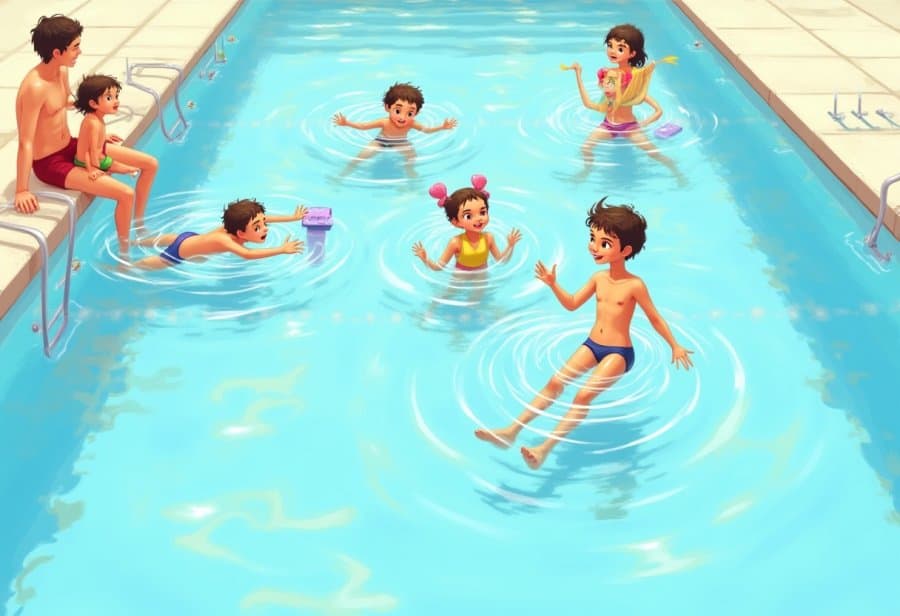
Overcoming Water Fear at Any Age: Your Journey to Freedom
Learning to swim isn’t just about mastering strokes or staying afloat—it’s a powerful way to turn water-related fears into a sense of freedom and confidence, no matter your age. Many people carry anxieties about water that can feel overwhelming, often rooted in childhood memories or negative experiences. But taking that first step into the pool, whether it’s dipping a toe or sitting on the edge, can be a turning point. That initial act of bravery breaks down mental barriers and begins the process of building trust with water.
For adults especially, the idea of learning to swim can seem intimidating, almost like a feat reserved for children or Olympic athletes. Yet, the truth is that it’s never too late to start. The journey begins with small, manageable steps—like wading in shallow water or practicing breathing exercises—that gradually introduce you to water’s sensations. These early moments aren’t just about physical skills; they’re about reshaping your mindset and showing yourself that water isn’t something to fear but to understand and embrace.
Many fears stem from childhood slips, choking incidents, or feelings of losing control. Others develop anxiety after witnessing someone struggle or experiencing a near-drowning. Recognizing that these reactions are natural rather than signs of weakness is essential. With patience, proper guidance, and a supportive environment, these fears can be addressed. Starting slowly and celebrating small victories helps reinforce that water can be safe and welcoming, not dangerous.
Learning to swim also opens the door to a range of benefits beyond safety. It encourages physical activity, relaxation, and social connection. Gaining water confidence can lead to a newfound independence—being able to enjoy pools, beaches, or water sports without fear. As trust with water grows, those initial apprehensions often transform into feelings of joy and exploration. Overcoming water fears can boost your confidence far beyond the poolside, influencing other areas of your life and inspiring a sense of personal achievement.
Remember, fears don’t define you. They are common hurdles that can be overcome with patience and persistence. Taking that first courageous step—whether it’s sitting by the pool or practicing breathing exercises—sets the stage for progress. Each small move toward water confidence brings you closer to a life where water is a space of relaxation and freedom, not fear. Your journey might be personal and unique, but with time and effort, water can become a source of joy and empowerment.
Building Water Confidence Step by Step: Embrace Gradual Progress
Building water confidence is a gradual process that thrives on small, manageable steps. Starting with simple activities like sitting on the pool’s edge or wading in shallow water helps create a sense of safety without feeling overwhelming. These gentle beginnings allow you to get accustomed to water’s texture and sounds, which can significantly reduce anxiety and make the environment feel less intimidating. At this stage, the goal isn’t to master swimming but to foster trust and comfort in water’s presence.
As comfort increases, you can begin practicing basic skills such as blowing bubbles, splashing gently, or floating on your back or stomach. These exercises are designed to help you become familiar with water on your face and body, common sources of fear. Incorporating breathing techniques during these activities is especially helpful, as steady, rhythmic breaths calm your nervous system and prevent panic. Small successes—like holding your breath underwater for a few seconds or floating unaided—can boost confidence and motivate you to keep progressing.
Progression should feel natural and unhurried. Once you’re comfortable with floating and controlling your breath, explore simple movements like kicking with a kickboard or moving your arms in controlled strokes. These foundational skills set the stage for more advanced techniques and reinforce a sense of mastery. Celebrating each small victory encourages continued effort and makes the learning process more enjoyable. It’s important to remember that everyone’s journey is unique—some may advance quickly, others more slowly—and patience is key.
Creating a positive, encouraging environment is essential throughout this process. Whether practicing with a supportive instructor, a patient friend, or on your own, maintaining a calm attitude helps reinforce that water is a safe space. Setting realistic, achievable goals for each session keeps motivation high and helps avoid frustration. By focusing on progress rather than perfection, each practice session builds confidence and reduces anxiety, gradually dissolving fears.
Listening to your body and respecting your pace is crucial. Rushing or pushing beyond your comfort zone can backfire, increasing frustration or even safety risks. Mastering floating, breathing, and gentle movements should come first, laying a solid foundation for future skills. This approach not only reduces overwhelm but also makes water feel like a familiar, safe environment. Over time, regular practice and patience turn water from a source of fear into a place of calm and confidence.
Remember, overcoming water fears isn’t about rushing to perfection but about trusting the process. Each small step forward—be it sitting on the edge, blowing bubbles, or floating—adds to a growing sense of security. These moments of progress, no matter how minor they seem, contribute to a bigger picture of water confidence. As your trust in water deepens, so does your ability to enjoy and explore new aquatic activities with ease and joy.
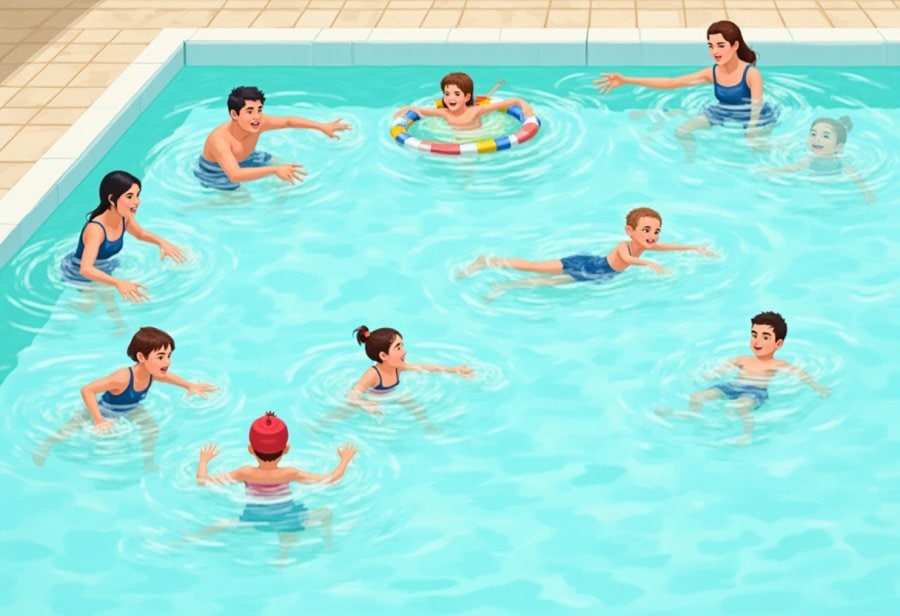
Transforming Fear into Freedom: Achieve Personal Liberation through Swimming
Mastering swimming is about more than just learning strokes or staying afloat; it becomes a powerful symbol of personal liberation. When you finally conquer your water fears and start swimming with confidence, it’s like unlocking a new level of achievement that can influence many parts of your life. The act of gliding through water, once intimidating, transforms into a testament to resilience and self-trust. These moments of success often shift your mindset, showing that challenges can be faced and overcome with patience and persistence. Swimming then evolves from a skill into a source of freedom—a calming refuge where you reconnect with your inner strength.
For many, crossing that initial hurdle sparks a profound sense of accomplishment. It’s not just about moving through water; it’s about proving to yourself that fears can be faced and defeated. When you float, breathe, and swim confidently, you lift mental barriers that once seemed insurmountable. Each victory, no matter how small, becomes a building block for greater self-belief. This sense of achievement spills over beyond the pool, inspiring confidence in tackling other challenges with calm determination.
Stories of individuals overcoming water fears highlight how transformative this process can be. Lisa, for example, avoided pools for years after childhood slips and near-drowning incidents. With gentle guidance and steady practice, she learned to float and swim across shallow water. Today, swimming isn’t just a skill she possesses—it’s a symbol of her resilience. Her confidence extends into daily life, empowering her to approach challenges with a calmer, more assured outlook. These stories remind us that mastering water isn’t just about safety; it’s about reclaiming independence and rewriting your story of courage.
The confidence gained through swimming also nurtures mental well-being. As fears fade, feelings of control and serenity replace anxiety. Many find swimming to be a form of moving meditation—calming the mind while strengthening the body. Each new stroke or skill mastered deepens your sense of self-efficacy, encouraging you to embrace other challenges with the same determination. It’s a journey that highlights how small, consistent efforts can lead to profound personal growth.
Once water no longer feels like a threat but a space of joy and freedom, your world begins to expand. Beaches, pools, water sports—these become accessible and enjoyable activities rather than sources of fear. This transformation from fear to confidence creates a lifelong relationship with water rooted in enjoyment, exploration, and health. Every step forward reinforces that fears are temporary hurdles, and with persistence, they can lead to a life filled with confidence, adventure, and new opportunities.
The journey from anxiety to mastery is deeply personal but universally empowering. Each stroke, each breath, each moment of trust in water builds resilience and belief in oneself. Overcoming fear isn’t about perfection; it’s about persistence and patience. With every small victory, you reinforce that water is a space of peace and possibility, not danger. That realization can redefine your relationship with water—and with yourself.
This sense of freedom extends beyond the pool. It influences how you approach challenges in life, fostering resilience and a can-do attitude. Learning to swim is a metaphor for overcoming obstacles—each step forward, no matter how tiny, is a testament to your strength. As confidence grows, so does your ability to face new challenges with calm and clarity, knowing you’ve already proven to yourself that fears can be conquered.
In the end, mastering swimming unlocks a new chapter of independence, health, and joy. It’s a journey of turning water from a source of fear into a sanctuary of strength. Every moment spent in the water, every stroke learned, brings you closer to a life where fear no longer holds sway, replaced instead by the empowering feeling of freedom. The water welcomes those brave enough to take the leap—are you ready to discover yours?
Expert Strategies to Conquer Water Anxiety: Professional Tips for Success
Experts in swimming and water safety emphasize that patience and consistency are essential when learning to swim at any age. Breaking the process into small, achievable milestones—such as floating, blowing bubbles, or wading—helps build confidence without feeling overwhelming. These steps create positive experiences, making progress feel natural and encouraging continued effort. Having a supportive environment, whether with a professional instructor or a patient friend, can significantly boost motivation and feelings of safety.
Tailoring lessons to individual comfort levels is crucial. What works for one person might not suit another, so personalized guidance ensures steady progress. Using tools like kickboards, floaties, or visualization techniques provides extra stability and reassurance, making each small success more attainable. These aids help reduce anxiety, reinforcing confidence and gently pushing you beyond your comfort zone when ready.
Addressing common challenges, such as fear of water entry or breath control, requires specific strategies. Gradual exposure—starting with just toes in the water and moving slowly—helps build trust and familiarity. Breathing exercises, like rhythmic inhaling and exhaling, calm the nervous system and minimize panic responses. Combining mental focus with physical practice fosters a sense of control, which is vital for overcoming swimming anxiety.
Many successful learners benefit from structured, supportive programs that emphasize building confidence step by step. These programs often break down skills into manageable chunks and celebrate each milestone, shifting the focus from perfection to progress. For those with childhood trauma or recent negative experiences, patience and consistent reinforcement are especially important for transforming water fears into confidence.
Rushing through foundational skills or skipping steps can increase frustration and safety risks. Mastering floating, breathing, and gentle movements before progressing to more complex strokes creates a solid base of mastery. This approach not only reduces overwhelm but also makes water feel like a familiar, safe space. Regular practice paired with patience turns water from a source of fear into a space of calm and confidence.
Maintaining a positive attitude is key. Viewing mistakes as part of the learning journey rather than setbacks keeps motivation high. Consistent practice, combined with patience, builds small victories that accumulate into lasting water confidence. This mindset helps you stay committed, even when progress feels slow, transforming water from an obstacle into an environment of growth and achievement.
Following expert advice ensures that overcoming swimming anxiety becomes a manageable and rewarding experience. Each small step forward—whether it’s sitting on the edge, blowing bubbles, or floating—contributes to a stronger sense of security. With steady effort and a supportive approach, water can become a space of joy, freedom, and lifelong learning.
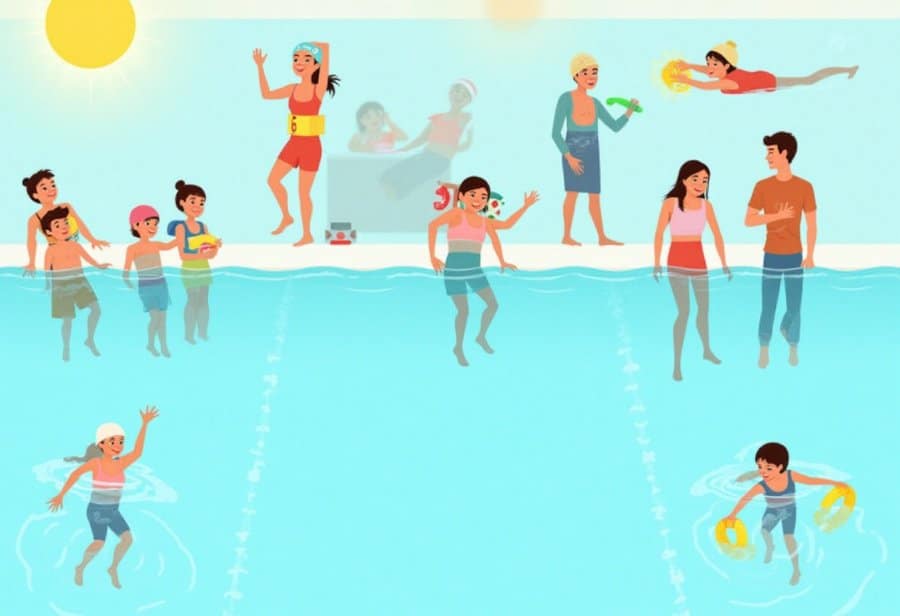
Take the First Step Today: Your Path to Lifelong Water Confidence Begins Now
Learning to swim is more than just acquiring a new skill; it’s a meaningful step toward personal growth, safety, and a sense of freedom in the water. Throughout this journey, we’ve seen how overcoming water fears starts with that first brave move—whether it’s just dipping a toe or sitting on the pool’s edge—and how each small step builds confidence. These moments add up, transforming anxiety into achievement and opening the door to new experiences.
The key isn’t rushing toward perfection but embracing patience and persistence. Every time you face the water, take a breath, and try again, you reinforce your trust in yourself. This steady approach turns water from a source of fear into a space of calm and enjoyment. Remember, progress may be slow at first, but consistent effort makes a difference. Each small victory strengthens your foundation, making future steps easier and more natural.
Now is the perfect time to act. Whether it’s simply putting your toes in the water, practicing breathing exercises, or signing up for beginner lessons, taking that initial step sets everything in motion. You don’t need to master everything overnight—just a willingness to try and learn at your own pace. The water isn’t going anywhere, and each effort brings you closer to feeling safe and free in it.
The benefits of learning to swim extend far beyond safety. Gaining water confidence allows you to enjoy beaches, pools, and water-based activities without fear. It also promotes physical health, relaxation, and social connection. These opportunities can enrich your life, creating memories and experiences that last. Every step you take toward water confidence adds to a sense of independence and joy.
Your water fears do not define you—they are temporary hurdles that can be overcome. Staying patient and celebrating each small success keeps motivation high. Over time, those fears fade, replaced by a feeling of mastery and connection with water. This journey isn’t just about swimming; it’s about reclaiming control and discovering resilience within yourself.
The water is waiting, ready to welcome you. Your journey toward lifelong water confidence starts today—one brave step at a time.