Learning to ride a bike is more than a childhood milestone; it symbolizes courage, independence, and the strength of family bonds. As children wobble, fall, and eventually pedal confidently, they learn resilience and trust—lessons that extend far beyond the handlebars. These moments, filled with support and shared joy, foster emotional growth and demonstrate how perseverance transforms fear into triumph. With evolving teaching tools like balance bikes, safety gear, and innovative technology, the journey becomes safer and more engaging, yet the core challenge remains: does the thrill of independence outweigh the fear of falling? As cultural traditions and modern innovations shape this rite of passage, one question persists: in a world constantly changing, how do we best nurture resilience and confidence in the next generation? Learning to ride isn’t just about mastering a skill; it’s about inspiring a lifelong love for adventure and growth—one pedal stroke at a time.
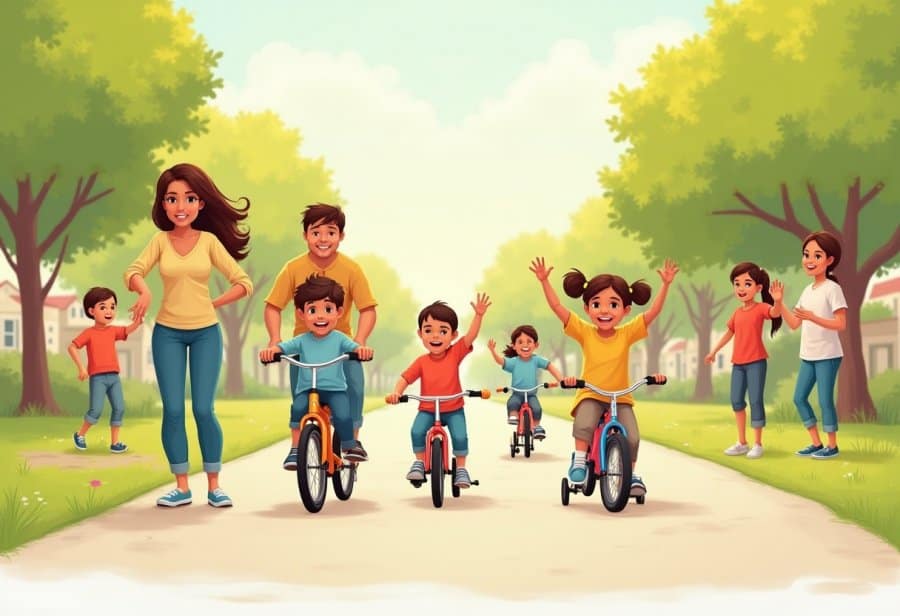
Celebrating Childhood Milestones: The Joy of Learning to Ride a Bike
Learning to ride a bike is more than just picking up a new skill; it marks a special chapter in childhood that families cherish. The moment a child pedals away for the first time, wobbly but determined, becomes a milestone filled with emotion—excitement, nervousness, and pride all rolled into one. It’s a shared experience that often brings family members closer, turning a simple activity into a memorable bonding moment. These early lessons in riding are about more than balance—they’re about building trust and creating a foundation for independence.
For many children, learning to ride symbolizes a step into a bigger world. The thrill of mastering pedals and steering is paired with the reassurance of family support, turning inevitable falls and wobbles into opportunities for growth. Parents often become cheerleaders, offering gentle guidance and celebrating each small victory. This nurturing environment helps children develop resilience and confidence, teaching them that persistence can turn setbacks into stepping stones.
The process involves more than just physical coordination; it’s about emotional development as well. Kids learn to face fears—like falling or failing—in a safe space, often on soft grass or padded mats. With encouragement, they discover that falling is part of learning, not a failure. This lesson in resilience becomes a life skill, helping children understand that setbacks are temporary and can lead to eventual success. Supportive family moments during these lessons reinforce a sense of security and trust, making every effort feel rewarding.
Learning to ride also highlights the importance of family bonds. Simple acts—like holding a steady hand, sharing a proud smile, or offering words of encouragement—turn the experience into a joyful shared achievement. These moments foster a sense of teamwork, patience, and love, embedding a lasting memory of growth and connection. As children become more confident, they gain not just the ability to ride, but a valuable sense of independence rooted in family support.
In the end, teaching a child to ride a bike is about more than just mastering a physical skill. It’s a rite of passage filled with emotions, lessons, and shared triumphs. It reminds us that with patience, encouragement, and a little courage, children can overcome their fears and discover the thrill of independence—one pedal stroke at a time.
A Century of Cycling Traditions: How Cultures Celebrate Riding
The story of children learning to ride bikes stretches back over a century, reflecting both technological advances and shifting cultural values. When lightweight, kid-sized bicycles first appeared in the late 1800s and early 1900s, cycling transformed from a novelty into a common childhood milestone. These early bikes made the experience more accessible, turning what was once a luxury into an achievable goal for many children. Across different societies, learning to ride has long symbolized a child’s move toward independence, representing a transition from dependence to self-reliance.
In many cultures, the first bike ride is celebrated as a key moment of growth. Families often mark this milestone with gatherings or community events that highlight the importance of developing new skills and gaining confidence. It’s not just about mastering balance or pedaling; it’s about stepping into a new phase of childhood—one that signals maturity and readiness for more responsibility. Over time, riding a bike has remained a universal symbol of freedom and adventure, crossing borders and social boundaries.
The design of bikes and the methods for teaching kids to ride have evolved significantly. Early models were heavy and difficult to handle, making learning a challenge. The introduction of lighter materials like aluminum and ergonomic frames made bikes easier for children to control. More recently, balance bikes—pedal-less, two-wheeled models—have gained traction because they focus solely on developing balance and steering. Many experts see this approach as a faster, less frustrating way for children to learn, easing their transition to pedal bikes.
Training wheels, once the standard support tool, have also improved. Modern versions are more stable and safer, helping kids practice their skills with confidence. These innovations reflect a better understanding of how children learn best—through gradual, supportive experiences that foster independence step-by-step. The emphasis has shifted from making riding easier to making it safer and more engaging, encouraging a love of cycling rather than just teaching a skill.
Different societies attach unique meanings to the milestone of learning to ride. In some places, it’s celebrated with ceremonies or family traditions, emphasizing the transition into greater independence. In others, it signals readiness for more responsibilities and social participation. Despite these variations, the core idea remains the same: mastering a bike is a universal marker of growth, resilience, and the ability to navigate the world more freely.
Throughout history, inventors and innovations have shaped how children learn to ride. Pioneers like Pierre Lallement, who helped develop some of the earliest pedal-powered bikes, laid the groundwork for the modern rite of passage. Today’s balance bikes and safety equipment continue this legacy, making learning to ride safer and more accessible. As cultural attitudes toward cycling evolve—especially in urban settings and eco-conscious communities—bikes are increasingly seen not just as toys but as vital tools for independence and mobility.
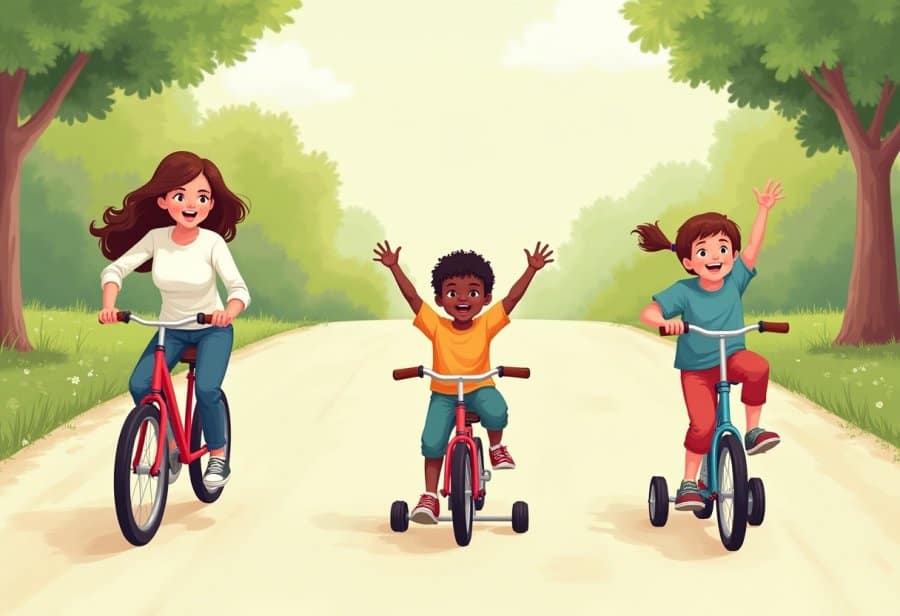
Modern Innovations in Teaching Kids to Ride: Trends and Technologies
Today’s methods for teaching kids to ride have become more innovative and accessible thanks to a variety of new tools and approaches. Balance bikes, for instance, have gained popularity because they emphasize developing a child’s sense of balance and steering without the distraction of pedals. Kids tend to pick up these skills faster, making the leap to a pedal bike smoother and less intimidating. Many parents find this method effective because it builds confidence early, setting a positive tone for the learning process.
Alongside balance bikes, improvements in traditional training wheels have made them safer and more stable. Modern designs help children practice their skills with less wobbling and a lower risk of falls, reflecting a deeper understanding of how children learn best—through gradual, manageable steps. Whether used temporarily or integrated into a learning plan, these tools aim to make the experience fun and encouraging rather than frustrating. This shift fosters a genuine love for cycling, rather than just the ability to ride.
Technology has also transformed how children learn to ride. Helmets now feature better fit, enhanced ventilation, and superior impact absorption, increasing safety and comfort. Some bikes are equipped with sensors that monitor speed, distance, and progress, providing real-time feedback to kids and parents alike. Interactive apps and gamified tutorials turn learning into an engaging adventure, motivating children to practice regularly. These innovations help reduce anxiety around falling and make the process feel safer and more rewarding.
Addressing common fears, many instructors and parents now start practice sessions on soft surfaces like grass or padded mats. These surfaces cushion tumbles and help children feel more secure, encouraging them to try new skills without fear. Teaching safe falling techniques normalizes falls as part of learning, fostering resilience and a growth mindset. Proper safety gear, including well-fitting helmets and pads, adds a layer of confidence that allows children to focus on the joy of riding rather than worry.
Despite these advancements, challenges remain. Not every child learns at the same pace, and over-reliance on safety gear or technology can sometimes create a false sense of security. Access to quality instruction and safe environments isn’t universal, which can hinder some kids’ progress. Tailoring teaching methods to individual needs and ensuring inclusive, supportive spaces are essential to making learning to ride a positive, accessible experience for all children.
Overall, the landscape of learning to ride continues to evolve with innovation and understanding. New tools and techniques, combined with supportive environments, help children overcome fears and develop independence at their own pace. As technology advances and awareness grows, teaching kids to ride becomes not just about mastering a skill but about fostering confidence, resilience, and a lifelong love of cycling.
Supporting Young Cyclists: Practical Strategies for Parents
Supporting children as they learn to ride a bike involves more than just handing over a helmet and hoping for the best. The process starts with simple, practical steps that help build confidence gradually. Using a balance bike early on can make a big difference, allowing kids to focus on mastering balance and steering without the distraction of pedals. This approach helps them develop core skills quickly and makes the transition to a pedal bike less intimidating, setting a positive foundation for future riding.
Creating a safe, flat space for practice is essential. Whether it’s a driveway, a park path, or an empty parking lot, a controlled environment minimizes falls and helps children feel secure. Encouragement from family members plays a key role—cheering efforts, offering gentle guidance, and sharing pride in their achievements. These small acts foster a positive attitude toward cycling, emphasizing fun and discovery over fear or frustration.
Addressing fears about falling is another vital part of support. Starting practice on soft surfaces like grass or padded mats cushions tumbles and helps children feel more confident. Teaching safe falling techniques, such as rolling or landing on their side, normalizes falls as part of learning and turns setbacks into valuable lessons. Proper safety gear—like well-fitted helmets and pads—adds an extra layer of security that encourages kids to take risks and try new skills with less hesitation.
Letting children take the lead builds independence and trust. Allowing them to choose their route or practice duration fosters a sense of control and ownership over their progress. As confidence grows, gradually reducing parental assistance helps children trust their own abilities, making the learning process feel manageable and rewarding. This step-by-step approach shows kids they are capable and self-reliant, reinforcing their motivation.
Patience and positive reinforcement form the backbone of effective support. Every wobble or hesitation is part of the journey, not a failure. Praising effort over perfection encourages kids to keep trying, even when progress seems slow. A gentle, encouraging attitude helps children develop resilience and a genuine love for cycling that lasts beyond their first ride. Consistent support makes the experience enjoyable and builds a lifelong appreciation for riding.
Finally, adapting to each child’s unique needs is crucial. Not all children learn at the same pace, and some may require different approaches or additional support. Ensuring access to safe environments, quality instruction, and encouragement tailored to individual comfort levels makes learning to ride a positive, inclusive experience. When support is genuine and patient, children are more likely to embrace the challenge and discover the joy of cycling on their own terms.
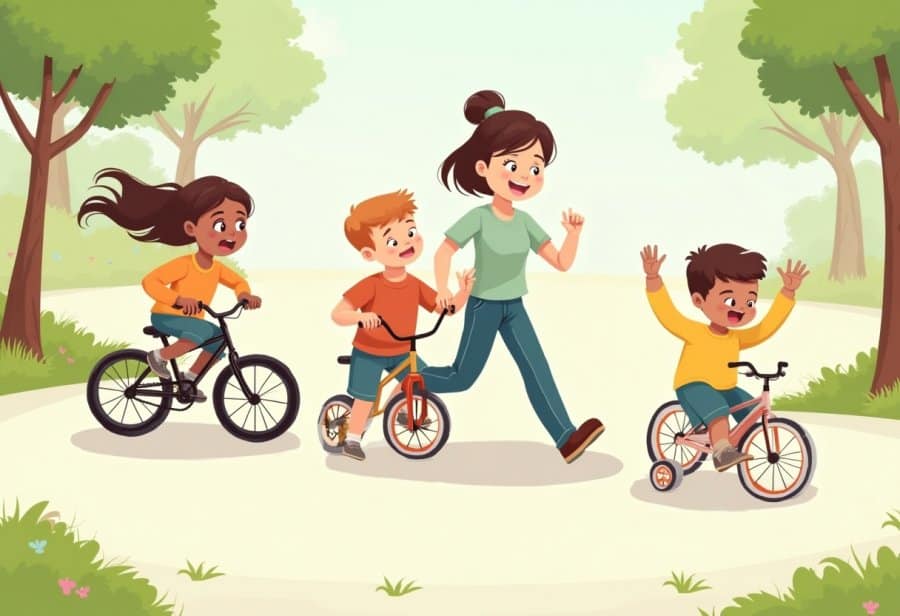
Looking Ahead: The Future of Cycling Education for Children
Reflecting on how children learn to ride a bike reveals a journey marked by progress, resilience, and evolving support methods. Over the years, approaches have shifted from traditional, one-size-fits-all techniques to more personalized strategies that emphasize safety, confidence, and enjoyment. Today’s focus is on tailoring learning experiences to each child’s unique pace and comfort level, whether through balance bikes, tech-assisted tools, or supportive coaching. This flexibility helps reduce anxiety and makes the process more engaging, encouraging children to see cycling as a positive adventure rather than a daunting task.
Family involvement remains central to successful learning. When parents create a patient, encouraging environment, children are more likely to overcome fears and celebrate small wins. Moments like balancing for a few seconds or making their first turn become memorable milestones that reinforce resilience and independence. These shared achievements are about more than just riding—they build trust, foster teamwork, and deepen emotional bonds that last beyond the bike itself.
Looking ahead, technological innovations promise to enhance children’s cycling experiences further. Smarter helmets, impact-absorbing gear, and sensors that monitor progress make learning safer and more interactive. Digital tools, including gamified tutorials and augmented reality coaching, personalize the journey and keep kids motivated. These advancements aim to normalize falls as part of growth, turning setbacks into opportunities for learning and resilience.
Meanwhile, community initiatives and inclusive programs are expanding access to cycling education. Creating safe, welcoming environments ensures that children from diverse backgrounds can experience the joy of their first bike ride. As cities and neighborhoods prioritize sustainable transportation and outdoor activity, bikes become symbols of independence, health, and environmental responsibility. Learning to ride is increasingly seen as a vital skill that empowers kids to navigate their world confidently.
Despite these exciting prospects, challenges persist. Not every child benefits equally from current methods, and over-reliance on safety gear or technology can sometimes foster complacency or risky behavior. Ensuring equitable access to quality instruction and safe environments remains essential. Adapting to individual needs and fostering supportive communities helps make cycling a truly inclusive and lifelong pursuit.
The future of children’s cycling education looks promising, blending innovation with tradition. By focusing on building confidence and resilience, we help kids develop skills that extend beyond the bike—lessons in persistence, courage, and independence that shape their character. As we continue to refine teaching approaches and leverage technology, cycling remains a powerful symbol of growth, adventure, and the endless possibilities that come with taking that first pedal stroke.
This ongoing evolution underscores a simple truth: learning to ride is more than a skill; it’s a gateway to independence and self-discovery. When supported by caring families, innovative tools, and inclusive communities, children are empowered to face new challenges with confidence. The journey from tentative wobble to confident ride is a story of perseverance, trust, and joy—one that will continue to inspire generations to come.