What if the journey to learning how to swim at any age is not just about mastering strokes but transforming fears into a profound sense of freedom? This inspiring exploration reveals how small, supportive steps—starting in shallow water, using gentle techniques, and practicing patience—can dismantle long-held anxieties about water. It emphasizes that confidence grows through consistent, manageable actions, turning water from a source of trepidation into a welcoming space of discovery and joy. Guided by expert insights, the path is tailored to individual pace, highlighting that progress isn’t a race but a personal journey of trust and mastery. With each victory—whether floating or swimming a few meters—confidence blossoms, encouraging further exploration. Could this gentle approach unlock lifelong safety and enjoyment in water? Absolutely. The lesson is clear: no matter your age, taking that first courageous step can change your relationship with water forever.
Begin Your Water Journey at Any Age and Transform Your Confidence
Learning to swim isn’t just a childhood rite of passage; it’s a journey that can begin at any age and transform how you see yourself around water. For many adults, the idea of stepping into a pool or ocean for the first time can feel intimidating—perhaps even overwhelming. But that initial step often marks the start of something much bigger: a boost in confidence, a sense of safety, and a newfound freedom to explore water-based activities.
This process is deeply personal and varies from person to person. Some may start with small, simple moments—sitting at the pool’s edge, splashing water on their face, or wading into shallow water. Others might prefer gentle guidance from an instructor or the support of friends. No matter how you begin, the goal remains the same: to gradually build trust in your body and the water around you. That trust is the foundation for everything that follows.
What makes learning to swim at any age so powerful is how it challenges long-held fears. Childhood anxieties about drowning or slipping often stay with us into adulthood, but they don’t have to define our relationship with water. Every small step—floating, blowing bubbles, or moving a few meters—becomes a victory that chips away at hesitation. Over time, these moments replace fear with familiarity, turning water from a source of anxiety into a space of confidence.
The journey isn’t about rushing or achieving perfection overnight. It’s about patience, persistence, and celebrating each small success. As confidence grows, so does the willingness to explore deeper water or try new strokes. Each step forward builds a sense of mastery and enjoyment, making water a place of calm, curiosity, and fun rather than fear.
Ultimately, learning to swim at any age is about more than just physical skills. It’s about changing perceptions—transforming water from a threatening obstacle into a welcoming environment. With each gentle push beyond comfort zones, you discover that your fears can be overcome and that the water offers a space for growth and joy. It’s never too late to start this journey, and every small step brings you closer to a lifelong relationship with water that’s safe, confident, and enjoyable.
Build Trust and Comfort in the Water with Simple Steps
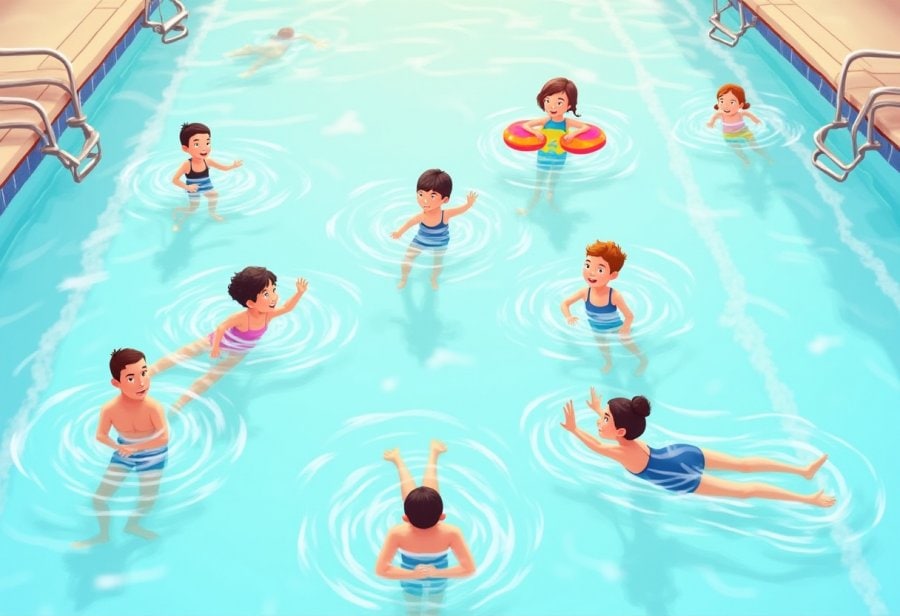
Building water confidence starts with simple, manageable steps that help you feel more at ease in the water. Beginning in shallow water where you can stand comfortably makes a big difference. Sitting at the pool’s edge, splashing water on your face, or wading in gently are effective ways to start feeling supported and safe. Using tools like floaties or kickboards can provide reassurance, letting you focus on relaxing rather than mastering every movement right away. These small, familiar actions build a foundation of trust that encourages further progress.
Consistency plays a crucial role in developing water confidence. Short, frequent visits tend to be more effective than occasional long sessions. Each time you spend a few minutes in the water, you reinforce familiarity and reduce anxiety. Over time, these repeated interactions turn water from an intimidating space into a familiar environment where confidence can naturally grow. Celebrating small victories—like floating on your back or blowing bubbles—helps create positive associations with water, making each visit feel more rewarding.
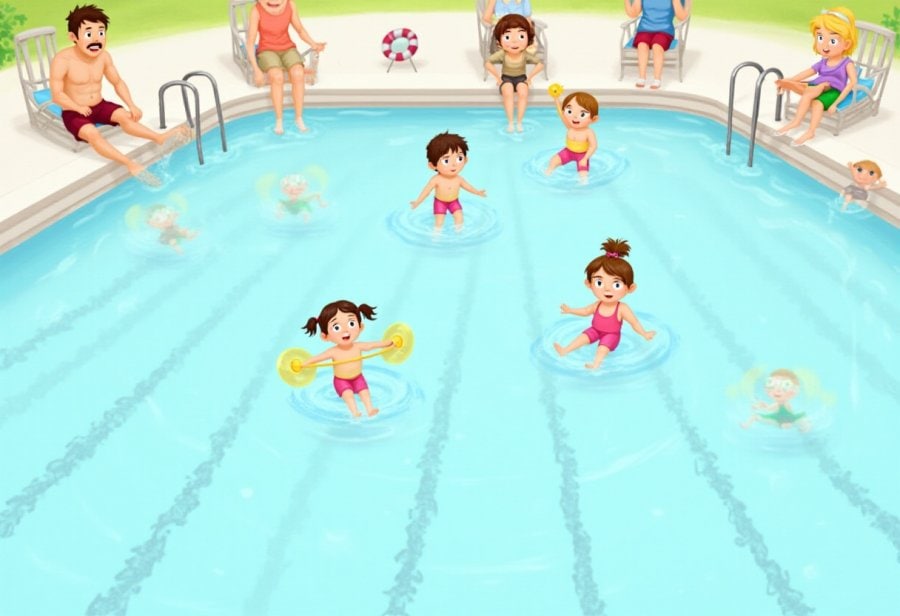
Safety is always a priority when building confidence. Choosing a well-maintained, supervised pool ensures a secure setting. Never swim alone when starting out, and always use safety gear such as floaties or life vests if needed. Staying within your comfort zone and following pool rules foster a sense of security, which is essential for trust to develop. These precautions aren’t just about safety—they serve as a mental reassurance, helping you focus on building confidence without feeling overwhelmed.
Mental strategies like deep breathing can make a significant difference in overcoming water fears. Calm, deliberate breaths help relax nerves and prevent panic, especially in deeper water. Visualizing yourself floating peacefully or moving confidently through the water reinforces a positive mindset. Setting small, achievable goals—such as getting your face wet or floating supported—keeps progress steady and manageable. These techniques help reshape your perception of water from a source of fear into a space of calm and curiosity.
Everyone’s journey to water confidence is unique. Some may feel comfortable quickly, while others need more time. The key is to be patient and kind to yourself, recognizing every small step as progress. With regular practice, supportive environments, and a positive attitude, water begins to feel less like an obstacle and more like a safe, inviting place. Each gentle step forward builds a stronger foundation for lifelong swimming confidence, turning initial fears into a lasting sense of freedom in the water.
Progress Through Techniques and Stages to Master Swimming Skills
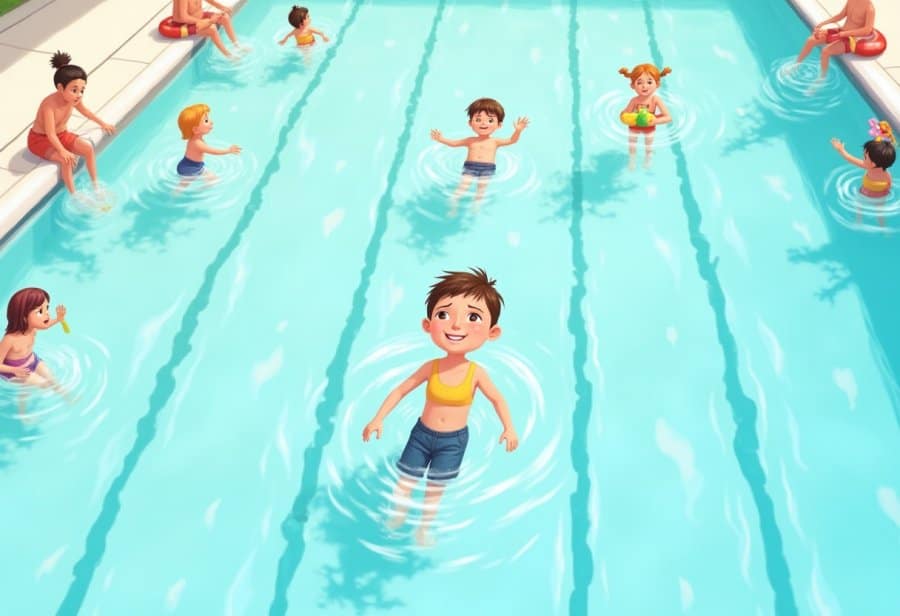
When it comes to improving your swimming skills and increasing water comfort, taking a gradual, step-by-step approach is most effective. Starting with basic movements like floating, kicking, and breathing helps you build a solid foundation without feeling overwhelmed. These simple exercises allow your body to get accustomed to being in water, fostering muscle memory and natural movement. Mimicking intuitive motions—such as gentle kicks or blowing bubbles—encourages a relaxed learning process, making each session feel less like a chore and more like exploration.
As your confidence grows, focus on refining your strokes and syncing your breathing with your movements. Break each skill into manageable stages—first mastering floating, then progressing to basic strokes, and eventually building endurance. Repeating these exercises regularly helps your muscles remember the correct form, making swimming feel more natural over time. It’s best to master one stage before moving on to the next; rushing can lead to frustration and setbacks. Steady progress not only boosts your skills but also keeps your motivation high as you see tangible improvements.
Natural learning methods work well for beginners. Rather than rigidly sticking to prescribed techniques, allow yourself to explore how your body responds to water. Notice how your arms float or how your legs kick, then try to mimic those movements without overthinking. This approach promotes relaxation and rhythm, which are key to long-term water comfort. When you’re relaxed and moving intuitively, swimming becomes less intimidating and more enjoyable, turning water from a source of anxiety into a space of discovery.
Mental strategies complement physical practice and can help overcome lingering fears. Deep breathing exercises, such as slow inhales and exhales, calm nerves and prevent panic, especially in deeper water. Visualize yourself floating peacefully or swimming confidently—these mental images reinforce positive feelings and encourage action. Setting small, achievable goals, like floating on your back or moving a few meters, makes progress feel manageable and rewarding, creating a positive feedback loop that motivates continued effort.
Progressing at your own pace is crucial. There’s no need to rush through stages; each small victory—whether it’s getting your face wet or floating independently—is a step forward. Consistent, gentle practice in a safe environment helps build familiarity and trust, making each session more effective. Over time, these incremental improvements lead to greater water comfort and increased confidence, transforming swimming from a daunting task into an enjoyable activity.
Remember, every person’s water journey is unique. Some may advance quickly, while others need more time to feel at ease. Patience and persistence are your best allies. Focus on natural movements, mental calmness, and regular practice to gradually turn swimming from a source of anxiety into a lifelong skill. With time, each small effort compounds, unlocking a new world of water-based enjoyment and safety.
Learn from Experts: Guidance and Strategies for Effective Swimming Lessons
Professional swimming instructors emphasize that patience and personalized guidance are key when teaching beginners of any age. Starting small—focusing on building trust and comfort in the water—sets the foundation for more advanced skills. Clear, simple instructions combined with positive reinforcement create an encouraging environment that keeps learners motivated and reduces anxiety. Tailoring lessons to each individual’s pace makes a huge difference, as everyone absorbs and progresses differently.
Creating a safe, supportive space is crucial. Instructors recommend beginning with gentle exposure in shallow water—sitting at the pool’s edge, splashing, or floating with support—to foster a sense of security. Safety gear like floaties or life vests can provide reassurance, but supervision by trained lifeguards is essential. Staying within your comfort zone and following pool rules help build trust and make progress feel natural and manageable.
Mental strategies are just as important as physical techniques. Deep breathing exercises help calm nerves and prevent panic, especially when transitioning to deeper water. Visualizing yourself floating peacefully or swimming with confidence reinforces positive mental images that encourage action. Setting small, achievable goals—such as submerging your face or floating on your back—keeps motivation high and makes each milestone feel attainable.
Many adults who once feared water have successfully learned to swim by applying these expert approaches. Their stories, like overcoming childhood trauma through gentle instruction or gradually building comfort, show that age isn’t a barrier. The right guidance, combined with patience and persistence, can turn water from a source of fear into a space of joy and confidence.
Instructors agree that progress isn’t a race. Each small step—whether it’s getting your face wet, floating supported, or swimming a few meters—counts as a victory. Celebrating these moments encourages continued effort and helps reshape your perception of water. Consistent practice in a safe, supportive environment gradually replaces anxiety with familiarity and enjoyment.
Support from knowledgeable instructors and a positive attitude make all the difference. They help you focus on what you can do, not what you can’t, fostering a mindset of growth. With each session, water becomes less intimidating and more inviting, transforming fear into freedom. This gradual process builds not just skills, but lifelong confidence in the water.
Remember, every swimmer’s journey is unique. Patience and self-compassion are your best allies. By embracing small victories and staying committed, water fears diminish over time. The transformation from apprehension to mastery is achievable at any age, and the reward is a lifelong connection to the water—safe, confident, and joyful.
Take the First Step: Summarizing Your Path to Confident Swimming
Learning to swim at any age is a journey worth starting. It’s about more than just mastering strokes—it’s about building trust in your body, overcoming fears, and discovering newfound confidence and freedom in the water. Every small step, whether it’s dipping your toes in or floating supported, moves you closer to feeling comfortable and safe. Progress isn’t about perfection or speed; it’s about patience, consistency, and celebrating each achievement along the way.
Taking that first step can feel intimidating, especially if water anxiety has held you back for years. But by setting realistic goals and embracing gentle exposure, those fears begin to fade. Each moment spent in the water—no matter how small—serves as a building block for confidence. Recognize your efforts and progress, and remember that every effort counts, no matter how minor it seems.
Water confidence develops gradually through regular practice and supportive environments. Short, frequent visits help reinforce familiarity, turning water from an obstacle into a safe space of exploration. Using tools like floaties or practicing deep breathing can support your mental calmness, making each session more relaxing and enjoyable. Over time, these small victories grow into a strong foundation of trust and self-assurance.
Remember, everyone’s water journey is unique. Some may progress quickly, while others need more time. Patience and persistence are key. Focus on the small wins—like floating on your back or moving a few meters—and let those successes motivate you to keep going. With consistent effort, the water transforms from a source of fear into a place of joy and adventure.
Support from knowledgeable instructors and a positive mindset make all the difference. They help you see setbacks as part of the process and encourage you to keep pushing forward. Each session becomes an opportunity to learn, grow, and enjoy the water more fully. This mindset turns initial apprehension into a lifelong love of swimming and water safety.
As your skills and confidence grow, so does your freedom to explore new water environments and activities. Whether you’re swimming for health, recreation, or safety, the skills you develop now will serve you for years to come. Every effort you invest builds a lasting relationship with water—one rooted in safety, confidence, and joy.
Begin today with kindness to yourself and a clear focus on small, achievable goals. Water fears can diminish with time and patience. Embrace the process, celebrate each small victory, and look forward to a future where water is no longer a threat but a source of happiness and empowerment. Your water confidence journey is just beginning, and the rewards are well worth the effort.